Process Overview: Anaerobic Digestion
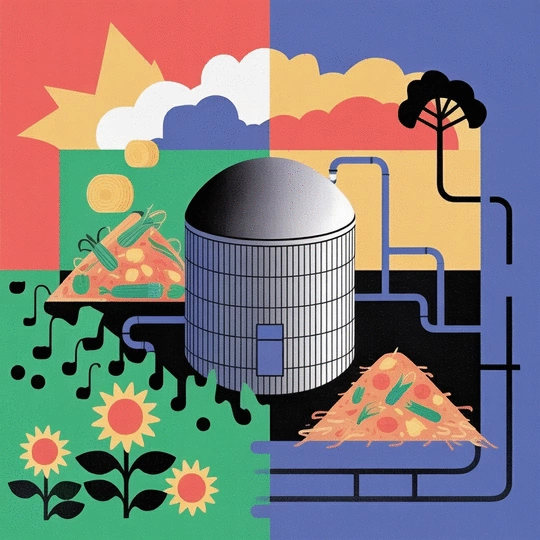
Microorganisms break down organic matter in an oxygen-free environment, releasing biogas (mainly methane).
Subscribe to receive the latest insights on biogas technology and how to turn organic waste into sustainable energy.
Posted on: 2026-02-05
By: Liam Hargrove
As the world shifts towards more sustainable practices, have you considered how your organic waste could be transformed into renewable energy? A residential backyard biogas digester not only conserves resources but also empowers you to generate your own energy right at home!
Biogas digesters are efficient systems for converting organic waste into renewable energy. The process involves several key stages, each contributing to waste reduction and energy generation. This visual outlines the core benefits and environmental impacts.
Microorganisms break down organic matter in an oxygen-free environment, releasing biogas (mainly methane).
Significantly reduces organic waste sent to landfills, converting it into valuable resources.
Generates energy (biogas) for cooking, heating, or electricity, lowering utility bills over time.
Digestate (leftover material) is a nutrient-rich natural fertilizer, improving soil quality for gardens.
Reduces greenhouse gas emissions (methane from landfills) and conserves fossil fuels.
Have you ever thought about how your organic waste can be turned into energy right in your backyard? A residential backyard biogas digester is a fantastic way to harness the power of natural decomposition to create renewable energy for your home. This simple yet effective system uses organic materials, like food scraps and yard waste, to generate biogas, which can be used for cooking, heating, or even electricity production. Let’s explore the fundamentals!
At Biogas Digester World, we believe in empowering homeowners with the knowledge to utilize biogas technology. In this section, we’ll cover the basics so you can understand how a backyard biogas digester works and why it might be the perfect solution for your energy needs.
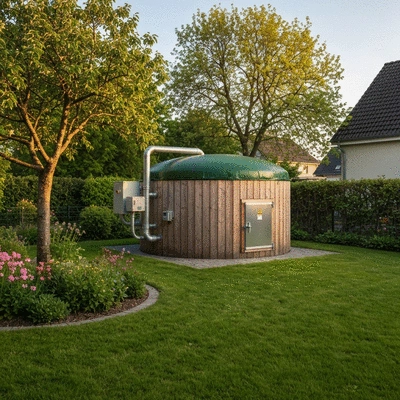
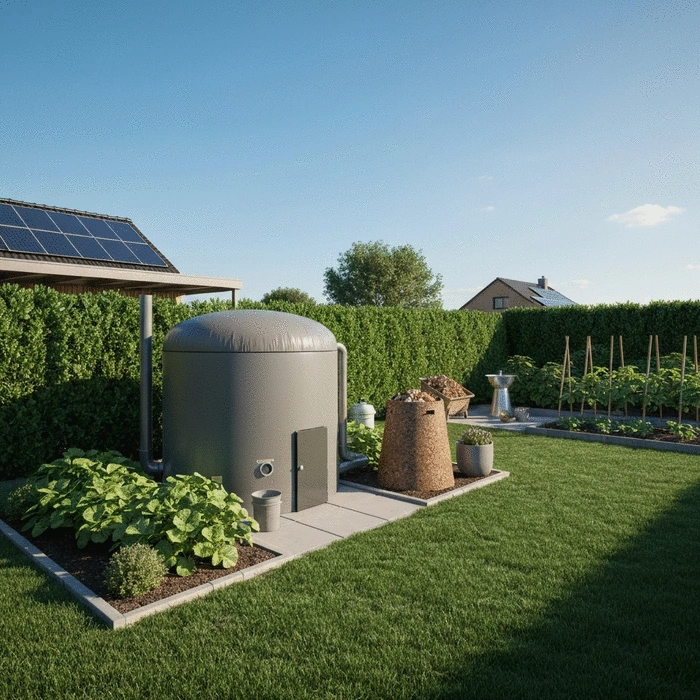
A residential backyard biogas digester is a small-scale system designed to convert organic waste into biogas through a process called anaerobic digestion. In simpler terms, it’s like having a mini power plant in your yard! The digester collects organic materials in an airtight environment, allowing microbes to break them down without oxygen, resulting in the production of methane gas.
This innovative solution not only helps reduce waste but also promotes sustainability by providing an alternative energy source. Imagine reducing your energy bills while contributing to environmental conservation!
Installing a biogas digester in your backyard has numerous advantages that go beyond just energy production. Here are some key benefits:
At Biogas Digester World, we emphasize that these benefits not only help individual homeowners but also contribute to broader environmental goals. By taking this step, you're joining a movement toward a more sustainable future!
Anaerobic digestion is the key process that allows biogas digesters to function. It involves the breakdown of organic matter by microorganisms in an oxygen-free environment. Here’s how it works:
It’s fascinating to see how something as simple as kitchen scraps can be transformed into valuable energy! Understanding this process can help you appreciate the potential of biogas technology in your daily life.
One of the most compelling reasons to install a biogas digester is its positive impact on the environment. By converting organic waste into energy, biogas systems contribute to:
As someone passionate about renewable energy, I can attest that the environmental benefits of biogas digesters are profound. By harnessing organic waste, we’re not just solving waste management issues but also working toward a sustainable planet for future generations!
Approximately 30% of the waste generated in households is organic waste that can be redirected to a biogas digester. By utilizing this waste, homeowners can significantly reduce landfill contributions while generating clean energy!
As we wrap up our exploration of biogas digesters, it’s essential to revisit some key insights. We've covered a lot of ground, from understanding the basic concepts to the installation process. Remember, setting up a biogas digester can be a rewarding DIY project that not only reduces waste but also generates renewable energy for your home! Here’s a brief recap of the installation steps and important considerations:
By following these steps, you’ll be well on your way to creating a functional and sustainable energy source right in your backyard!
Investing in a biogas digester is not just about immediate energy savings. It’s about the long-term benefits that come with it! The return on investment (ROI) can be significant when you consider both the energy savings and the reduction in waste disposal costs. Over time, many homeowners report lower energy bills and the satisfaction of using renewable energy.
Additionally, by harnessing organic waste, you’re contributing to a more sustainable future. This aligns perfectly with our mission at Biogas Digester World—to empower individuals to embrace renewable energy solutions. It’s a win-win situation!
Biogas technology plays a pivotal role in promoting sustainable living. By converting organic waste into energy, we reduce greenhouse gas emissions and minimize landfill waste. This not only benefits the environment but also fosters energy independence for homeowners and communities alike, as highlighted in a HomeBiogas digester review.
Moreover, as more people adopt biogas systems, we can collectively work towards a cleaner, greener planet. So, as you ponder your energy future, consider how biogas digesters can transform not just your household, but also contribute to broader environmental goals!
If you're ready to take the plunge into the world of biogas, I encourage you to check out our comprehensive guides available at Biogas Digester World. We’ve crafted beginner-friendly resources that will walk you through the entire process, from planning to installation. It's never been easier to get started!
Don’t forget, you’re not alone on this journey! Join our growing community of biogas enthusiasts. Share your experiences, ask questions, and learn from others who are also embracing biogas technology. Together, we can foster a supportive environment that enhances our understanding and application of sustainable energy solutions.
Here is a quick recap of the important points discussed in the article: