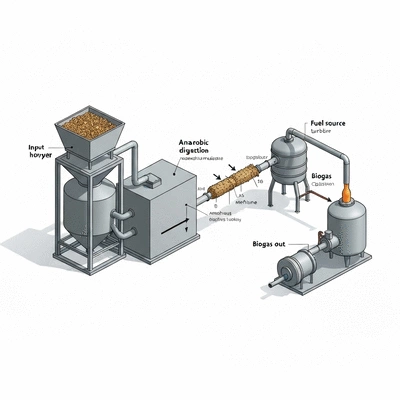
Biogas System Core Process
💩
Organic Waste Input
➡
🧬
Anaerobic Digestion
➡
⚡
Biogas Output (Methane)
Subscribe to receive the latest insights on biogas technology and how to turn organic waste into sustainable energy.
Posted on: 2026-04-29
By: Liam Hargrove
What if you could turn your kitchen scraps and farm waste into a source of energy? Biogas systems offer a sustainable solution to waste management and energy independence, transforming organic materials into valuable resources. In this guide, we will uncover the essential insights about off-grid biogas systems and their significant benefits.
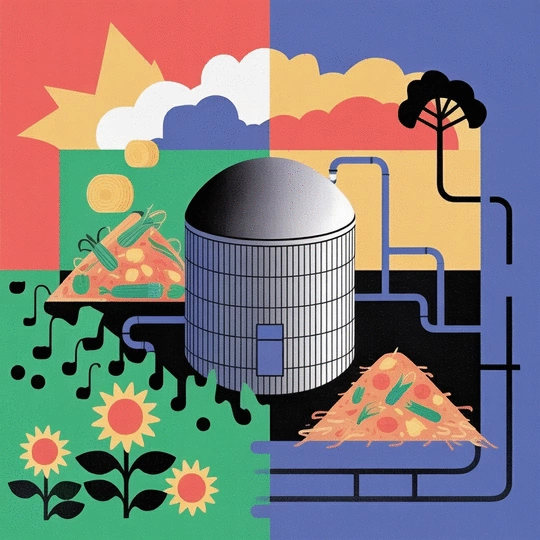
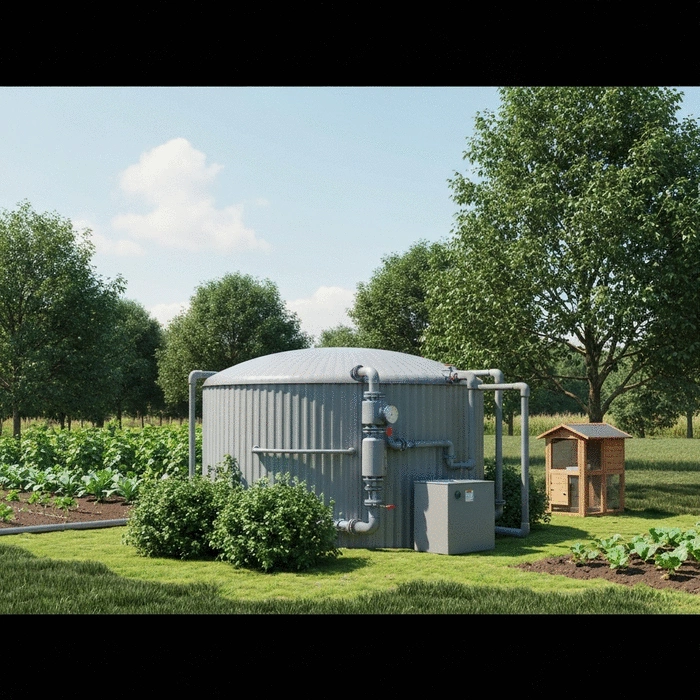
Biogas systems offer a sustainable solution for energy independence by transforming organic waste into valuable resources. The visual below outlines the key components and benefits of implementing such a system.
Organic Waste Input
Anaerobic Digestion
Biogas Output (Methane)
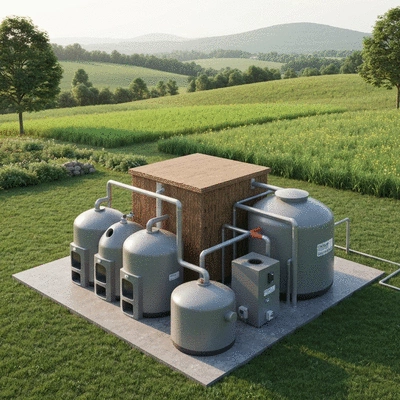
Digester: Main chamber for anaerobic digestion.
Gas Storage: System to capture and hold biogas.
Distribution: Pipes for gas transport.
Feedstock Input: Method to introduce organic waste.
Cost Savings: Reduced energy bills.
Carbon Footprint: Decrease in greenhouse gas emissions.
Energy Independence: Self-sufficiency in energy.
Waste Reduction: Repurposing organic waste.
Have you ever thought about how you can transform organic waste into a valuable resource? At Biogas Digester World, we believe that off-grid biogas systems are a key part of achieving energy independence! Let's explore what these systems are, how they work, and the incredible benefits they can bring to your homestead.
A biogas system is an innovative way to generate renewable energy from organic materials through a process called anaerobic digestion. This occurs when bacteria break down organic matter in the absence of oxygen, producing methane gas that can be used for cooking, heating, or electricity generation. Isn’t that fascinating?
In simple terms, biogas production involves the decomposition of organic waste, such as food scraps, animal manure, and crop residues. During anaerobic digestion, microorganisms consume the waste, resulting in biogas—a mixture primarily composed of methane and carbon dioxide. This process not only generates energy but also reduces the volume of waste, making it a win-win solution! For more information on the potential of biogas, refer to the Biogas Opportunities Roadmap from the U.S. Department of Energy.
To set up your own off-grid biogas system, you'll need a few essential components:
Understanding these components is crucial for successful implementation. Each plays a vital role in ensuring that your biogas system operates efficiently! You can find further details on converting waste to energy in this fact sheet on biogas.
The heart of any biogas system lies in the organic waste it processes. Whether it's kitchen scraps or agricultural residues, the quality and type of feedstock can greatly influence gas production. By utilizing waste that would otherwise go to a landfill, you not only create energy but also contribute to a more sustainable environment. It's a powerful example of how waste can be repurposed for greater good!
If you're considering a biogas system, you're likely curious about its advantages. The benefits are numerous and can significantly enhance your overall sustainability efforts!
Many homeowners and farmers have found that investing in a biogas system leads to substantial cost savings. By producing your own energy, you can reduce reliance on traditional utility services, which translates to lower energy bills. Plus, the initial investment often pays off within a few years through savings on energy costs! Studies, such as those presented in the LAPSE-2023.3629-1v1 report, highlight the economic viability of such systems.
Implementing a biogas system can greatly reduce your carbon footprint. By harnessing the power of organic waste, you contribute to a decrease in greenhouse gas emissions. It's a practical way to engage in sustainable practices while doing your part for the planet.
For those involved in agriculture, a biogas system can provide a significant boost in energy independence. By producing your own energy from waste, you reduce your reliance on external sources, making your farm more self-sufficient. It’s a step toward a resilient agricultural future!
Maximize the efficiency of your biogas system by carefully selecting high-quality feedstock. A diverse mix of organic waste, including kitchen scraps and agricultural residues, can significantly boost biogas production. Additionally, maintaining a balanced carbon-to-nitrogen ratio in your feedstock will enhance the anaerobic digestion process, ensuring a steady output of renewable energy!
Here are some common questions about off-grid biogas systems:
As we look toward a more sustainable future, it's essential to evaluate the challenges and opportunities that come with off-grid energy independence. Biogas systems offer a promising solution, but they're not without their hurdles. Understanding these common challenges can help us devise effective strategies to overcome them.
One of the first steps in embracing a biogas system is recognizing the potential risks and failures that may arise. For example, many individuals may struggle with the initial setup, as well as managing the ongoing maintenance of their systems. Here are some of the most common challenges we often encounter:
By identifying these challenges, we can better prepare ourselves. For instance, having a reliable team or access to experts in biogas technology can significantly ease the technical complexities during installation. Moreover, we must stay proactive about securing a consistent supply of organic waste to keep our systems running efficiently.
Addressing risks early on can prevent costly failures later. It's important to monitor the system closely during the commissioning phase. I recommend employing a data-driven approach to track performance metrics and identify any anomalies. This will not only help in troubleshooting but also in optimizing your biogas production over time.
To navigate the common obstacles in biogas implementation, consider the following strategies:
These strategies can empower you, turning challenges into opportunities for growth. Remember, every setback is a chance to learn and adapt!
Resource management is key in off-grid living. Effectively managing your organic waste not only fuels your biogas system but also contributes to a more sustainable lifestyle. By making the most of available resources—like kitchen scraps, yard waste, and animal manure—you can significantly enhance your energy independence.
As we come together to embrace renewable energy solutions, I encourage you to share your personal experiences with biogas systems. Whether you're just starting your journey or have successfully implemented one, your stories can inspire others to take the leap into sustainable living!
Sharing your journey not only builds community resilience but also fosters a supportive environment where knowledge can flow freely. Don't hesitate to reach out to your local networks or online forums to share insights and learn from fellow biogas enthusiasts!
Communities adopting biogas initiatives can create a ripple effect of sustainability. By working together, we can build resilient systems that benefit everyone involved. Imagine farmers collaborating, sharing resources, and supporting one another through off-grid projects!
Finally, consider utilizing interactive tools available on Biogas Digester World. These resources can assist you in planning your biogas system, evaluating your needs, and identifying the best practices for sustainable living. Together, we can pave the way toward a greener, more energy-independent future!
Here is a quick recap of the important points discussed in the article: