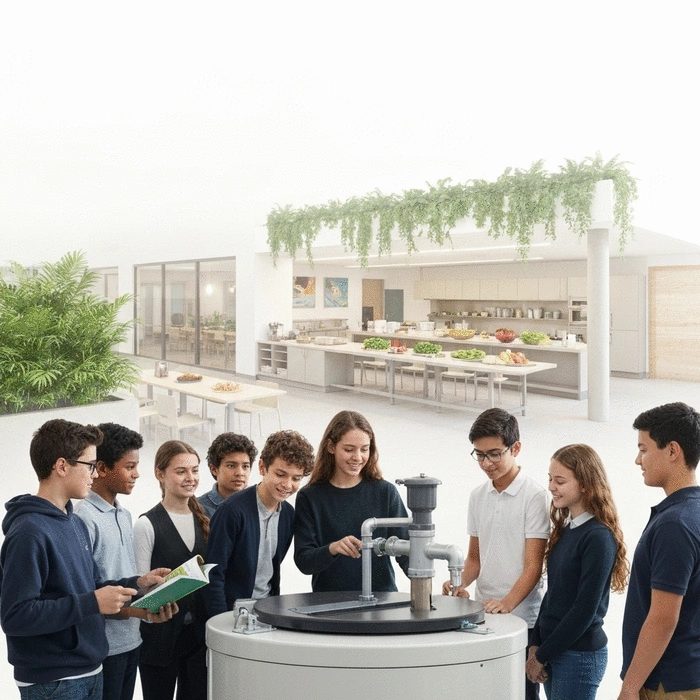
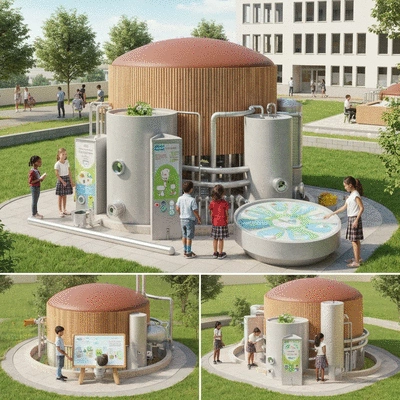
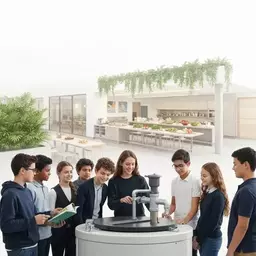
What if your school's cafeteria waste could be transformed into energy? The revolutionary School Biogas Plant Initiative not only educates students about sustainability but also empowers them to contribute to a greener future. Let's explore the key insights from this initiative!
What You Will Learn
Schools can turn cafeteria waste into a renewable energy source through biogas systems.
Biogas initiatives contribute to reducing landfill waste and lowering carbon footprints.
Engaging with the community is essential for the success of biogas projects, creating a wider impact.
Schools can achieve energy independence by harnessing biogas, reducing their reliance on external energy sources.
Educational programs can inspire other schools to adopt similar sustainable practices, creating a network of eco-conscious institutions.
The School Biogas Initiative: A Visual Overview of Impact and Benefits
This visual summarizes the key aspects of integrating biogas plants into educational settings, highlighting benefits from waste management to energy independence and community engagement.
Sustainability & Circular Economy
Integrating biogas plants establishes a sustainable future by turning waste into resources. This process minimizes organic waste sent to landfills and generates clean, renewable energy.
Waste Reduction
Renewable Energy Production
Educational Opportunities
Energy Independence Potential
Biogas systems offer schools the potential for energy self-sufficiency, reducing reliance on external sources and fostering resilience against energy cost fluctuations.
Cost Savings on energy bills
Increased energy resilience
Community role models
Community Engagement Strategies
Encouraging other schools to adopt biogas solutions through workshops, government collaboration, and showcasing achievements is crucial for broader impact.
Workshops & Seminars
Local Government Collaboration
Showcase Achievements
Starting Your School's Biogas Journey
Initiating a biogas project involves research, planning, and community involvement. A pilot project can demonstrate effectiveness and build support for expansion.
Research & Collaborate
Develop a Plan
Launch a Pilot Project
Understanding the School Biogas Plant Initiative
As we dive into the world of renewable energy, one exciting avenue to explore is the School Biogas Plant Initiative. This innovative approach incorporates biogas technology into educational settings, turning waste into a valuable resource. By integrating biogas systems in schools, we can not only teach students about sustainability but also provide them with practical skills that resonate with our mission at Biogas Digester World—empowering individuals and communities through renewable energy solutions.
Schools are uniquely positioned to lead the charge in promoting sustainable practices. By implementing biogas systems, they can model responsible waste management and energy production. Imagine the impact it could have on young minds as they witness firsthand the benefits of transforming organic waste into energy! This initiative not only serves educational purposes but also provides tangible environmental benefits.
Overview of Biogas Technology in Educational Settings
Biogas technology involves the anaerobic digestion of organic materials, such as food waste and manure, to produce methane gas. This gas can be utilized for a variety of energy needs, including heating and electricity. In educational settings, incorporating this technology allows students to learn about the science behind energy production while actively participating in sustainable practices.
Hands-On Learning: Students engage in practical projects that demonstrate real-world applications of biogas technology. For a deeper understanding of project-based learning in this context, you can explore insights from Research Outreach's article on food waste to energy projects.
Environmental Stewardship: Schools can reduce their carbon footprint and teach students about sustainability.
Community Engagement: Involving local communities can enhance learning and promote broader sustainability efforts.
As we see more schools embracing biogas technology, the potential for positive change in our communities becomes clear. Students not only gain knowledge but also contribute to a more sustainable future.
Importance of Addressing Cafeteria Waste through Biogas Production
Every day, school cafeterias produce a significant amount of organic waste, which often ends up in landfills. By utilizing biogas systems, schools can effectively manage this waste while generating renewable energy. This approach not only minimizes waste but also addresses key issues related to landfill overflow and greenhouse gas emissions.
Waste Reduction: By converting cafeteria scraps into energy, schools can significantly cut down on the waste they produce.
Cost Efficiency: Reducing waste leads to lower disposal costs and potential savings on energy bills.
Educational Value: Students learn the importance of waste management and renewable energy in a hands-on environment.
Incorporating biogas production in schools not only creates a sustainable waste management solution but also fosters a culture of environmental responsibility among students. This can be a smart investment for a sustainable future, as highlighted by Kenya Biogas's discussion on biogas for schools.
Exploring Anaerobic Digestion as a Sustainable Solution
Anaerobic digestion is the heart of biogas technology, where microorganisms break down organic matter without oxygen, producing methane as a byproduct. This process is not only efficient but also environmentally friendly. In schools, implementing anaerobic digestion systems can drastically reduce waste and produce usable energy.
Sustainable Energy Source: Schools can harness energy from waste, making them less reliant on external energy sources.
Educational Opportunities: Students can study microbiology and environmental science through the lens of biogas systems. For example, Dickinson College's farm offers an excellent model of a biogas project in an educational setting.
Community Benefits: Schools dedicated to sustainability can inspire local communities to adopt similar practices.
The advantages of anaerobic digestion extend beyond just waste reduction; they contribute to a circular economy where resources are continuously reused and recycled. By integrating these systems into schools, we pave the way for a more sustainable future and equip students with the knowledge to lead in environmental stewardship.
Pro Tip
To maximize the effectiveness of your school's biogas initiative, consider involving students in every step of the process. From planning and design to implementation and maintenance, hands-on participation not only enhances their learning experience but also fosters a sense of ownership and responsibility toward sustainability.
Summarizing the Impact of School Biogas Plants
School biogas plants are paving the way for a sustainable future by fostering a circular economy within educational settings. By converting organic waste into energy, these initiatives not only help manage waste but also educate students about renewable energy solutions. Imagine a school where the food waste from lunch becomes the energy source for heating classrooms—how impactful would that be?
These plants contribute significantly to reducing landfill waste and promoting environmental stewardship among students. Schools can demonstrate the practical applications of biogas technology, inspiring a new generation to embrace sustainability. This hands-on experience is vital for nurturing future leaders in green energy!
Contributions to a Sustainable Future and Circular Economy
Integrating biogas plants into schools is more than just a project; it's a crucial step towards establishing a sustainable future. Here are some key contributions:
Waste Reduction: By processing cafeteria waste, schools can minimize the amount of organic waste sent to landfills.
Renewable Energy Production: Biogas systems generate clean energy that can replace fossil fuels, thus reducing carbon footprints.
Educational Opportunities: Students gain practical knowledge about renewable energy and waste management, fostering a culture of sustainability.
Community Engagement: Schools can engage with local communities, sharing knowledge and promoting wider acceptance of biogas technology.
As we champion these initiatives, it’s essential to remember that each biogas plant contributes to a larger movement towards a circular economy—one where waste is seen as a resource rather than a burden!
Potential for Energy Independence through Biogas Systems
Biogas systems hold incredible potential for achieving energy independence, especially in school settings. Students and educators can work together on this journey, turning waste into energy that powers their facilities. This self-sufficiency not only reduces energy costs but also empowers schools to become leaders in sustainability.
Cost Savings: Schools can save on energy bills by using the biogas produced from their organic waste.
Resilience: By generating their own energy, schools can become more resilient to rising energy costs and fluctuations in energy supply.
Community Role Models: Schools that successfully implement biogas systems serve as role models, encouraging other institutions to consider similar solutions.
When schools harness the power of biogas, they not only become more energy-independent but also inspire their communities to consider sustainable practices in their own lives. Together, we can create a greener, more sustainable future!
Engaging the Community in Sustainability Initiatives
Engagement with the community is vital for the success of school biogas initiatives. By fostering partnerships and encouraging participation, schools can amplify their impact and inspire broader change. As we explore the possibilities, let’s take a closer look at how we can encourage other schools to adopt similar solutions.
Encouraging Other Schools to Adopt Biogas Solutions
One of the greatest opportunities lies in sharing success stories and practical knowledge. Here are some effective strategies to encourage other schools:
Workshops and Seminars: Organize educational events to demonstrate the benefits and processes involved in setting up a biogas plant.
Collaboration with Local Governments: Partner with local authorities to gain support for biogas initiatives and funding opportunities.
Showcase Achievements: Create platforms where schools can share their success stories and inspire others to follow suit.
By actively promoting biogas solutions, we can create a network of schools that are committed to sustainability, encouraging even more institutions to participate in this transformative journey.
Call to Action: Start Your School's Biogas Journey
Are you ready to take the next step? Starting a biogas initiative at your school can be a rewarding endeavor that benefits both students and the environment. Here’s how you can begin:
Research and Collaborate: Gather information on biogas technology and engage stakeholders, including teachers, students, and parents.
Develop a Plan: Outline the steps necessary for implementation, considering resources, funding, and community involvement.
Launch a Pilot Project: Start small with a pilot program to demonstrate effectiveness and gain support for future expansion.
Let’s empower our schools to lead the way in sustainability! Together, we can harness the power of biogas technology to not only reduce waste but also create a brighter, more sustainable future for our communities. Are you in?
Frequently Asked Questions About School Biogas Plants
Q: What is the School Biogas Plant Initiative?
A: It's an innovative program that integrates biogas technology into educational settings, allowing schools to convert organic waste (like cafeteria scraps) into renewable energy, while also educating students about sustainability.
Q: How does biogas technology work in schools?
A: Biogas technology uses anaerobic digestion, where microorganisms break down organic materials without oxygen to produce methane gas. This gas can then be used for heating or electricity within the school, turning waste into a valuable energy source.
Q: What are the main benefits of implementing a biogas system in a school?
A: Key benefits include waste reduction (especially cafeteria waste), production of renewable energy, cost savings on waste disposal and energy bills, hands-on educational opportunities for students, and fostering environmental stewardship within the community.
Q: Can biogas systems help schools achieve energy independence?
A: Yes, by generating their own energy from organic waste, schools can reduce their reliance on external energy sources, cut down on energy costs, and become more resilient to energy price fluctuations, moving towards greater energy independence.
Q: How can other schools be encouraged to adopt biogas solutions?
A: Strategies include organizing workshops and seminars to share knowledge, collaborating with local governments for support and funding, and showcasing successful biogas projects to inspire other institutions to implement similar sustainable practices.
Recap of Key Points
Here is a quick recap of the important points discussed in the article:
Hands-On Learning: Students engage in practical projects that demonstrate real-world applications of biogas technology.
Waste Reduction: Converting cafeteria scraps into energy significantly cuts down on waste production.
Cost Efficiency: Schools can lower disposal costs and save on energy bills by utilizing biogas systems.
Community Engagement: Involving local communities enhances learning and promotes broader sustainability efforts.
Renewable Energy Production: Biogas systems generate clean energy that replaces fossil fuels, reducing carbon footprints.
Sustainability Leadership: Schools that implement biogas initiatives can inspire surrounding communities to adopt similar practices.
Your go-to resource for mastering renewable energy solutions through biogas technology. We help farmers, homeowners, and sustainability professionals with expert guidance and practical insights to harness organic waste for energy independence.
Trusted by individuals and organizations committed to sustainability, our mission is to provide reliable, easy-to-follow insights backed by expert knowledge in biogas applications.