Join the Biogas Revolution!

Subscribe to receive the latest insights on biogas technology and how to turn organic waste into sustainable energy.

Comparing Biogas Digester Systems 2025


Comparing Biogas Digester Systems 2025

Posted on: 2026-04-20
By: Liam Hargrove


As we approach 2025, the discussion around sustainable energy is gaining momentum. One crucial aspect of this conversation is the role of biogas digester systems. These innovative solutions not only transform waste into energy but also drive environmental benefits. Are you ready to discover how these systems can empower your energy independence?

What You Will Learn

  • Biogas digesters convert organic waste into clean energy, offering a sustainable solution for both homes and farms.
  • These systems promote energy independence by allowing users to generate their own energy, reducing reliance on fossil fuels.
  • The nutrient-rich digestate produced serves as an effective fertilizer, enhancing soil health while minimizing waste.
  • Government incentives and subsidies can significantly lower the initial costs of installing a biogas digester, making it more accessible.
  • Understanding the specific technology and feedstock types used in production is essential for optimizing biogas output.

Key Takeaways for Biogas Digester Systems by 2025

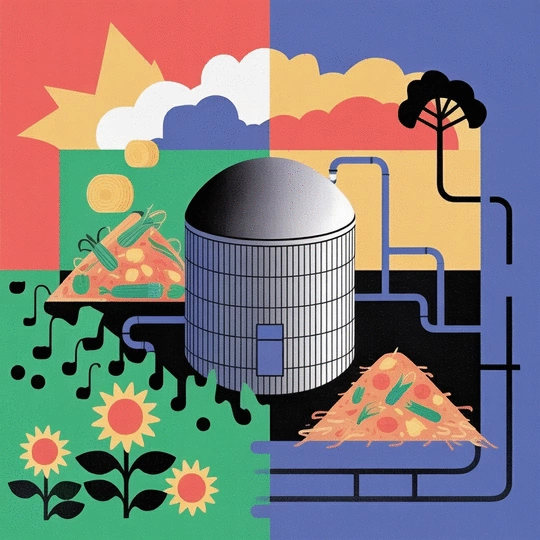
This visual summarizes the critical factors for biogas digester systems, including costs, output, and ROI, along with available government incentives.

Key System Factors

  • Costs:Vary widely by system type and size.
  • Output:Influenced by technology, feedstock, efficiency.
  • ROI:Projected with energy sales, carbon credits.

Government Incentives

  • Tax Credits:Reduce overall tax burden for projects.
  • Grants:Offset capital costs for setup.
  • Low-Interest Loans:Ease cash flow for installations.

Understanding Biogas Digester Systems: A 2025 Perspective

As the world increasingly moves towards sustainable energy solutions, biogas digester systems are gaining attention for their efficiency and environmental benefits. But what exactly are these systems, and why should you consider them for your agricultural or home energy needs? Let's dive into the basics.

What is a Biogas Digester System?

A biogas digester system is essentially a sealed environment where organic matter—like food scraps, manure, or crop residues—is broken down by microorganisms in the absence of oxygen. This process produces biomethane, a renewable energy source that can be used for heating, cooking, or even generating electricity. Imagine turning waste into energy! That's the beauty of biogas digesters. For a detailed understanding of how novel anaerobic digestion systems are evolving towards 2025, you can refer to The Digest's 2025 Multi-Slide Guide to Novel Anaerobic Digestion Systems.

  • Sealed Chamber: A controlled environment for anaerobic digestion.
  • Organic Matter Input: Utilizes waste from farms and households.
  • Biomethane Output: Produces a clean, renewable energy source.
  • Nutrient-Rich Digestate: The byproduct can be used as fertilizer.

By transforming organic waste into valuable energy, these systems not only help in energy generation but also play a significant role in reducing landfill waste. At Biogas Digester World, we believe understanding these systems is the first step toward a more sustainable future!

Importance of Biogas Digesters for Sustainable Energy

Biogas digesters are important for several reasons. First, they contribute to energy independence by allowing users to generate their own energy. This is especially valuable for farmers who face high energy costs. Second, they reduce greenhouse gas emissions by preventing methane from escaping into the atmosphere. Instead of contributing to climate change, this methane is captured and utilized.

  • Energy Independence: Produce your own energy and reduce reliance on fossil fuels.
  • Waste Reduction: Diverts organic waste from landfills.
  • Emissions Control: Captures methane that would otherwise contribute to global warming.
  • Nutrient Recycling: Creates a valuable byproduct for soil health.

In today’s world, aligning with sustainable practices is not just beneficial for the environment; it also makes good economic sense. As we move closer to 2025, adopting biogas technology can be a game changer for many!

The Role of Anaerobic Digestion in Biogas Production

Anaerobic digestion is the core process that drives biogas production. By breaking down organic materials without oxygen, this natural process yields not just energy but also valuable byproducts. This innovative approach is at the forefront of sustainable energy solutions, and understanding its mechanics can empower communities and farmers alike. Insights into the sustainability effects of biogas, particularly concerning agricultural waste, are further explored in the IEA Bioenergy Task 37 Biogas Sustainability Effects 2025 report.

  • Microbial Activity: Essential for breaking down organic matter.
  • Methane Production: The primary energy output from the digestion process.
  • Digestate Benefits: The nutrient-rich residue enhances soil fertility.

At Biogas Digester World, we emphasize how anaerobic digestion not only supports energy production but also promotes a circular economy where waste is transformed into resources. It’s a remarkable process that’s both efficient and eco-friendly!

Environmental Impact of Biogas Digesters in Waste Management

The environmental impact of biogas digesters is profound. By reducing landfill waste and emitting less greenhouse gas, they play a crucial role in sustainable waste management. They also turn organic waste—a significant contributor to methane emissions—into a clean energy source.

  • Landfill Diversion: Reduces the amount of waste sent to landfills.
  • Lower Emissions: Captures and uses methane that would otherwise escape.
  • Soil Enhancement: Produces valuable digestate for agricultural use.
  • Community Health: Improves local air and water quality by managing waste effectively.

As we look towards 2025 and beyond, the adoption of biogas technology can help us address critical environmental issues. It’s not just about energy; it’s about creating a sustainable future for all of us! You can find more comprehensive data and market insights on the biogas industry at the American Biogas Council's Biogas Market Data.

Frequently Asked Questions About Biogas Digester Systems

What is a biogas digester system?
A biogas digester system is a sealed environment where organic matter (such as food scraps, manure, or crop residues) is broken down by microorganisms in the absence of oxygen, producing biomethane—a renewable energy source.
How do biogas digesters contribute to energy independence?
Biogas digesters allow users to generate their own clean energy for heating, cooking, or electricity, thereby reducing reliance on traditional fossil fuels and enhancing energy independence.
What are the environmental benefits of using biogas digesters?
Biogas digesters reduce landfill waste, capture methane (a potent greenhouse gas) that would otherwise be released into the atmosphere, and produce nutrient-rich digestate for soil enhancement, contributing to sustainable waste management and reduced emissions.
Are there financial incentives for installing biogas digesters?
Yes, various government incentives, including tax credits, grants, and low-interest loans, are often available to help offset the capital costs of installing and operating biogas digester systems.
What factors influence the output and efficiency of a biogas digester?
The daily biogas output and overall efficiency are primarily influenced by the specific technology used, the type and quality of feedstock (organic matter), and the operational management of the system.

Key Takeaways on Biogas Digester Systems for 2025

As we look ahead to 2025, understanding the key takeaways from the current landscape of biogas digester systems is essential for making informed decisions. From costs to output and the potential return on investment (ROI), these insights will help guide you on your journey to embracing renewable energy solutions. Here’s a concise summary of what you can expect:

  • Costs: Initial investments for biogas digesters vary widely based on system type and size, but understanding these costs is crucial for budget planning.
  • Output: Daily biogas output is influenced by the specific technology used, feedstock type, and operational efficiency, which I cover in detail elsewhere.
  • ROI: With careful analysis of revenue streams, including energy sales and carbon credits, you can project a realistic payback period for your investment.

By taking these factors into account, you can better position yourself to make smart decisions that align with your sustainability goals. The impact of biogas digesters on your energy independence and waste management can be transformative!

Government Incentives and Subsidies for Biogas Installations

One of the compelling reasons to consider installing a biogas digester is the availability of government incentives and subsidies. Various programs aim to encourage the adoption of renewable energy technologies. Here’s a brief overview of the types of incentives you might encounter:

  • Tax Credits: Many regions offer tax incentives for renewable energy projects, allowing you to reduce your overall tax burden.
  • Grants: Government grants may be available to offset the capital costs of setting up a biogas system, making it more accessible for farmers and homeowners.
  • Low-Interest Loans: Some programs provide low-interest financing options specifically for renewable energy installations, easing cash flow concerns.

It's worthwhile to research local and national programs that could benefit your project. By leveraging these incentives, you can significantly lower your upfront costs, making the transition to biogas even more appealing!

Next Steps: Making an Informed Decision for Your Biogas Project

How to Choose the Right Biogas Digester for Your Needs

Choosing the right biogas digester system can feel overwhelming, but it doesn't have to be! Start by evaluating your specific needs and goals. Ask yourself these questions:

  • What types of organic waste do I have access to?
  • How much energy do I need to generate for my household or farm?
  • What is my budget for initial setup and ongoing maintenance?

Once you've answered these questions, you can narrow down your options and focus on systems that align with your objectives. Remember, every farm or home is unique, and the right biogas digester will reflect that!

Consulting with Experts: Finding the Right Vendor Solutions

When it comes to biogas installations, consulting with experts is key! At Biogas Digester World, we emphasize the importance of partnering with knowledgeable vendors who can guide you through the process. Here’s how you can find the right solutions:

  • Conduct research on local vendors with experience in biogas digesters.
  • Seek recommendations from other farmers or homeowners who have successfully implemented systems.
  • Schedule consultations to discuss your specific needs and evaluate their proposed solutions.

By collaborating with the right experts, you’ll gain valuable insights that can help streamline the installation process and maximize your system's efficiency!

Exploring Agricultural and Commercial Applications of Biogas

Biogas digesters aren't just for rural farms; they have diverse applications across various sectors! Here’s a look at some potential uses:

  • Agriculture: Farms can convert manure and crop residues into energy, reducing waste and providing a sustainable energy source.
  • Commercial: Restaurants and food processing plants can utilize organic waste to generate energy, lowering operational costs.
  • Community Projects: Local governments and NGOs can implement biogas systems for waste management and energy generation, benefiting entire communities.

As you consider your biogas project, think about how it might serve not just your needs but also contribute to broader community efforts towards sustainability!

Recap of Key Points

Here is a quick recap of the important points discussed in the article:

  • Biogas digesters convert organic waste into renewable energy through anaerobic digestion.
  • They promote energy independence and reduce greenhouse gas emissions.
  • The digestate produced is nutrient-rich and can be used as fertilizer.
  • Government incentives and subsidies can significantly lower installation costs.
  • Choosing the right digester involves assessing your organic waste availability, energy needs, and budget.
  • Consulting with experts can streamline the installation process and enhance system efficiency.
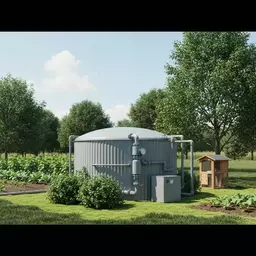
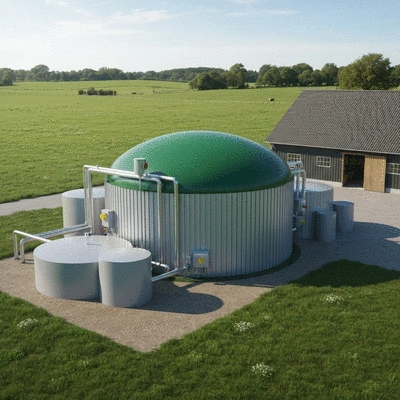
Biogas digester system in agricultural setting

As we look towards 2025 and beyond, the adoption of biogas technology can help us address critical environmental issues. It’s not just about energy; it’s about creating a sustainable future for all of us!
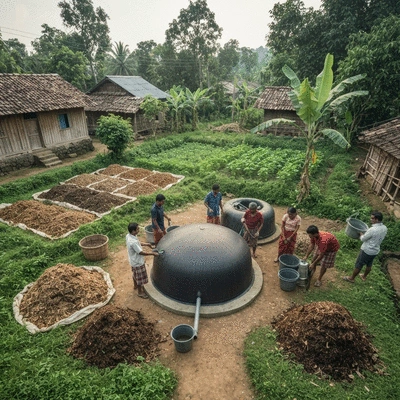
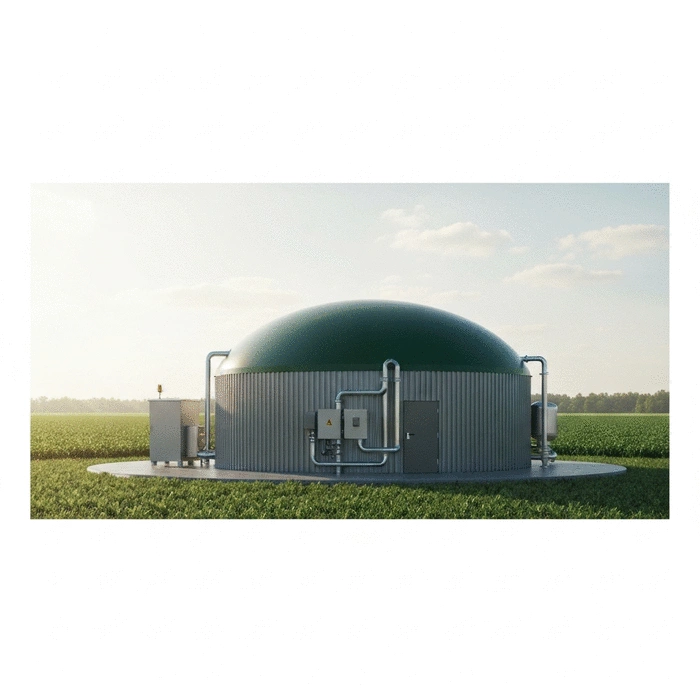
Community biogas digester project
Subscribe & Share
Comparing Biogas Digester Systems 2025 Comparing Biogas Digester Systems 2025 As we approach 2025, the discussion around sustainable energy is gaining momentum. One crucial aspec
Biogas Education in School Cafeterias Biogas Education in School Cafeterias What if your school's cafeteria waste could be transformed into energy? The revolutionary School Bio
Efficient Manure Processing Options Efficient Manure Processing Options What if you could turn your farm's organic waste into a sustainable energy source while simultaneous
Banner
Biogas Digester World

Your go-to resource for mastering renewable energy solutions through biogas technology. We help farmers, homeowners, and sustainability professionals with expert guidance and practical insights to harness organic waste for energy independence.

Trusted by individuals and organizations committed to sustainability, our mission is to provide reliable, easy-to-follow insights backed by expert knowledge in biogas applications.

Learn More
Recent Posts
Comparing Biogas Digester Systems 2025 Comparing Biogas Digester Systems 2025

As we approach 2025, the discussion around sustain

Biogas Education in School Cafeterias Biogas Education in School Cafeterias

What if your school's cafeteria waste could be tra

Efficient Manure Processing Options Efficient Manure Processing Options

What if you could turn your farm's organic waste i

Biogas Insights and Tips