Biogas Initiative in Refugee Camps
Posted on: 2026-02-18
By: Liam Hargrove
What if a simple technology could transform the lives of refugees living in camps? Biogas projects are not just about energy; they represent a holistic solution addressing health, safety, and environmental sustainability. Let’s uncover the critical lessons learned from these initiatives.
What You Will Learn
- Biogas technology provides a sustainable alternative to firewood, improving health and safety for refugees.
- Waste reduction is a key benefit of biogas systems, which convert organic waste into clean cooking fuel.
- Community engagement in biogas projects fosters local empowerment and enhances energy independence.
- Successful biogas implementations in Uganda and Ethiopia showcase the importance of collaboration between NGOs and local communities.
The Transformative Impact of Biogas Projects in Refugee Camps
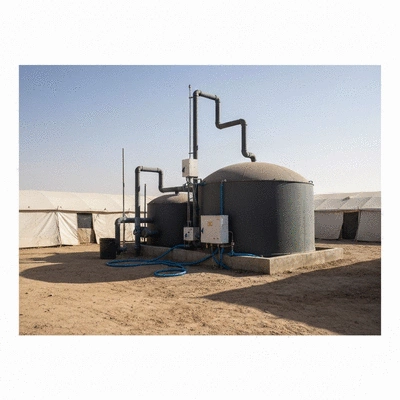
Biogas technology offers sustainable solutions for refugees, addressing critical needs such as clean cooking fuel, waste reduction, and community empowerment. The visual below highlights the key benefits and the process flow from organic waste to improved living conditions.
Problem: Reliance on Firewood
- ✖ Health risks (smoke)
- ✖ Environmental degradation
- ✖ Safety concerns (GBV)
Solution: Biogas Technology
- ✔ Converts organic waste to fuel
- ✔ Reduces methane emissions
- ✔ Promotes local energy production
Key Benefits
- • Energy independence
- • Environmental sustainability
- • Improved health outcomes
- • Community empowerment
Impact & Collaboration
- • NGO & private sector partnerships
- • Refugee participation (Alianza Shire)
- • Training and skill-building
- • Aligns with UNHCR's SAFE strategy
Understanding the Impact of NGO-Led Biogas Projects in Refugee Camps
As we delve into the world of biogas technology, it's essential to recognize the unique challenges faced in refugee camps. Energy access is a critical issue, often reliant on firewood, which not only poses health risks but also raises safety concerns. In these settlements, the struggle for clean cooking fuel can impact the well-being of entire communities. Let’s explore how biogas projects can change this narrative, offering sustainable energy solutions where they are needed most. For a comprehensive overview of the current state and future potential of biogas technologies, you can consult this detailed report on biogas technologies.
Exploring the Need for Clean Cooking Fuel in Refugee Settlements
In refugee camps, the reliance on firewood can create a series of challenges. Women and children often venture long distances to gather firewood, risking their safety and well-being. The implications of this practice are profound:
- Health risks from indoor air pollution caused by smoke inhalation.
- Environmental degradation from deforestation.
- Increased vulnerability to gender-based violence during firewood collection.
It's clear that access to clean cooking fuel is not just about energy; it's about safety, health, and dignity. This is where biogas comes into play, providing a more sustainable option that can transform lives.
The Role of Biogas as a Sustainable Energy Source
Biogas technology offers a solution by converting organic waste into clean cooking fuel. This process not only addresses immediate energy needs but also contributes to several environmental benefits. Here’s what makes biogas a game-changer:
- Waste Reduction: Biogas systems utilize organic waste that would otherwise contribute to landfills.
- Greenhouse Gas Mitigation: By reducing methane emissions from decomposing waste, biogas helps combat climate change.
- Local Energy Production: Communities can produce their own fuel, enhancing energy independence.
With biogas, we can harness the power of organic waste and turn it into a viable energy source, paving the way for cleaner, healthier living conditions in refugee settlements.
Key Case Studies of Biogas Projects in Uganda and Ethiopia
Imvepi Refugee Settlement: A Model for Sustainable Solutions
At the Imvepi Refugee Settlement in Uganda, biogas technology has been implemented with significant impact. Collaborating with various NGOs and the private sector, this project showcases how biogas can be a sustainable solution for energy access. Key partnerships have led to:
- Installation of community-scale biogas digesters.
- Training local residents on biogas system maintenance.
- Creating awareness about the benefits of clean energy.
These efforts highlight the importance of collaboration and community engagement in fostering sustainable energy solutions. You can find more information about these types of initiatives and their impact in the Humanitarian Energy Outlook 2023 report, which details progress and challenges in humanitarian energy access.
Alianza Shire: Engaging Refugees in Energy Solutions
The Alianza Shire project in Ethiopia represents another vital initiative in the realm of biogas. What sets this project apart is its focus on refugee participation.
- Refugees are involved in the construction and operation of biogas systems.
- The project aligns with the UNHCR's SAFE strategy, focusing on sustainable energy solutions.
- Empowerment of women through training and leadership roles in energy management.
By engaging refugees in this way, Alianza Shire not only addresses the energy crisis but also promotes community resilience and empowerment. Further insights into the success and challenges of integrating energy solutions within refugee contexts can be found in this report on Alfajiri's energy access initiatives.
In light of the challenges faced in refugee camps, biogas emerges as a sustainable energy solution that significantly enhances living conditions. By converting organic waste into clean cooking fuel, biogas projects not only address energy shortages but also promote environmental sustainability. This dual benefit makes biogas a compelling option for improving the quality of life for refugees.
Moreover, the implementation of biogas systems fosters a sense of community and ownership among refugees, helping them regain some control over their daily lives. With reduced reliance on firewood and other traditional fuels, families can enjoy healthier living conditions, leading to improved health outcomes and safety.
- Energy Independence: Biogas projects empower refugees to produce their own energy, reducing reliance on external sources.
- Environmental Benefits: The use of biogas helps cut down on deforestation and greenhouse gas emissions.
- Health Improvements: Cleaner cooking fuel reduces indoor air pollution, leading to better respiratory health.
- Community Engagement: Projects encourage collaboration and skill-building among refugees, enhancing social ties.
By harnessing the potential of biogas, we can create a more sustainable and resilient future for those in refugee camps. This renewable energy source not only addresses immediate needs but also contributes to long-term environmental goals, making it a vital component of humanitarian efforts.
Call to Action: Supporting Sustainable Energy Initiatives
As we reflect on the profound impact of biogas projects, it's crucial for us to take action! I encourage you to engage with NGOs that are at the forefront of implementing these initiatives. By supporting policy changes that promote biogas adoption, you can play a part in ensuring sustainable energy access for refugees. Together, we can help transform lives and foster energy independence in some of the most vulnerable communities around the globe.
Every effort counts, whether it's advocating for support in your local community or contributing to organizations dedicated to renewable energy solutions. Let's harness the power of biogas and champion a sustainable future for all!
Recap of Key Points
Here is a quick recap of the important points discussed in the article:
- Access to clean cooking fuel in refugee camps is crucial for safety, health, and dignity.
- Biogas technology converts organic waste into clean cooking fuel, addressing immediate energy needs.
- Key benefits of biogas include waste reduction, greenhouse gas mitigation, and local energy production.
- Successful biogas projects in Uganda and Ethiopia demonstrate the importance of community engagement and training.
- Biogas projects empower refugees, promote environmental sustainability, and improve health outcomes.
- Supporting NGO-led biogas initiatives can significantly enhance living conditions in refugee camps.

Final content section.
 What if you could turn your kitchen scraps and farm waste into a source of energy? Biogas systems of
 As we approach 2025, the discussion around sustainable energy is gaining momentum. One crucial aspec
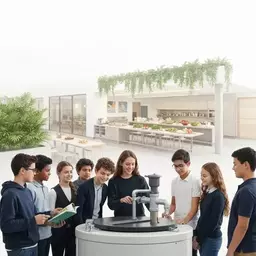 What if your school's cafeteria waste could be transformed into energy? The revolutionary School Bio