Join the Biogas Revolution!

Subscribe to receive the latest insights on biogas technology and how to turn organic waste into sustainable energy.

Enhancing Milk Production with Biogas


Medium-Scale Dairy Farm Biogas Case Study: Boosting Milk Production with Digestate Fertilizer

Posted on: 2026-03-05
By: Liam Hargrove


Have you ever considered how transforming waste into energy could revolutionize your dairy farming operations? Biogas technology not only provides a sustainable energy source but also enhances efficiency and environmental stewardship.

What You Will Learn

  • Biogas production converts organic waste into valuable energy, reducing reliance on fossil fuels.
  • Anaerobic digestion stabilizes manure and reduces pathogens, promoting better herd health.
  • Implementing biogas systems leads to cost savings and potential new revenue streams for dairy farmers.
  • Biogas systems significantly lower greenhouse gas emissions, contributing to climate change mitigation.
  • Digestate from biogas production serves as a nutrient-rich fertilizer, enhancing soil quality and crop yields.

Maximizing Dairy Operations with Biogas Systems

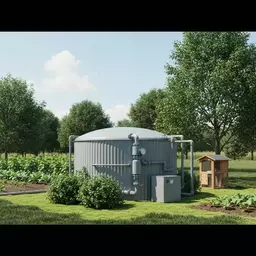
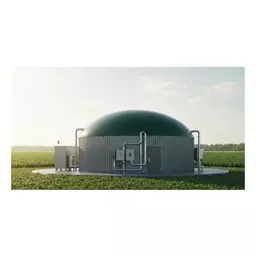
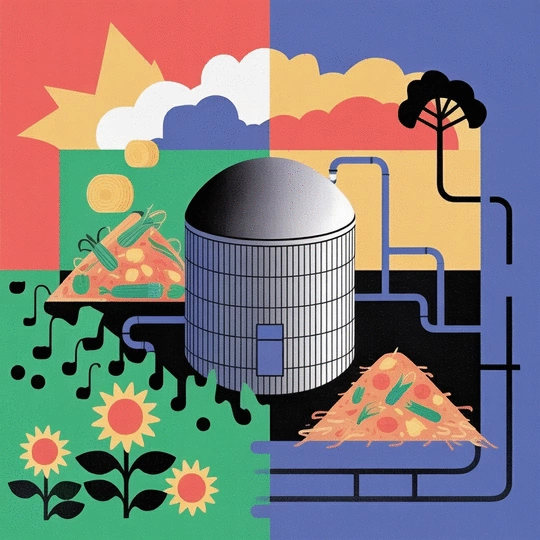
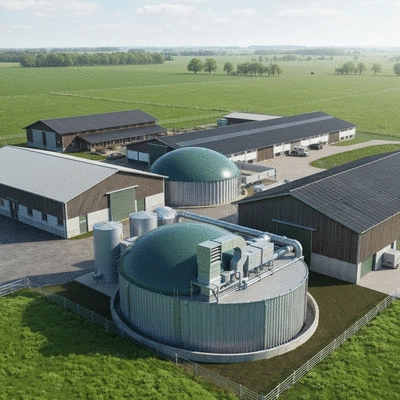
Biogas technology transforms dairy farm waste into valuable energy and resources. The visual below highlights the core benefits and processes involved.

Biogas technology at work on a dairy farm

Biogas Production Process

  • Anaerobic Digestion: Converts organic matter (manure) into biogas.
  • Methane Utilization: Biogas (primarily methane) used for heating, cooking, electricity.

Benefits for Dairy Farms

  • Improved Animal Health: Reduces pathogens in manure.
  • Nutrient Recycling: Digestate becomes rich fertilizer.
  • Cost Savings: Less reliance on commercial fertilizers/energy.

Environmental Sustainability

  • Reduced Methane Emissions: Captures greenhouse gases.
  • Enhanced Soil Quality: Digestate enriches soil health.
  • Resource Conservation: Decreases need for synthetic fertilizers/fossil fuels.

Key Takeaways for Farmers

  • Increased Milk Yield: Through digestate application.
  • Financial Viability: Reduced costs, potential new revenue.
  • Sustainable Future: Aligns with climate change mitigation.

Understanding the Role of Biogas in Medium-Scale Dairy Farming

As a passionate advocate for renewable energy solutions, I’ve seen how biogas technology can revolutionize medium-scale dairy farming. At Biogas Digester World, we believe that understanding the fundamentals of biogas production is key to maximizing dairy operations. Biogas is generated through the anaerobic digestion of organic materials, such as cow manure and food waste. By harnessing this process, dairy farms can not only reduce waste but also create a valuable energy source.

Why is this important for dairy operations? The integration of biogas systems offers numerous benefits, including reduced greenhouse gas emissions, enhanced energy independence, and improved waste management. This approach aligns with research suggesting that converting "grass to gas" could be a critical component for sustainable dairy farms. For example, a study from Penn State University highlights how such systems could be key to sustainable Pennsylvania dairy farms, turning what was once considered waste into a sustainable energy resource that powers their operations!

Defining Biogas Production and Its Importance for Dairy Operations

Biogas production is a natural process where microorganisms break down organic matter in the absence of oxygen. For dairy farms, this typically involves the utilization of manure and other agricultural residues. The produced biogas—which is primarily methane—can be used for various applications, such as heating, cooking, or even generating electricity.

  • Converts waste into energy: Helps reduce reliance on fossil fuels.
  • Enhances sustainability: Minimizes environmental impact by reducing greenhouse gases.
  • Improves waste management: Facilitates the efficient disposal of manure and organic waste.

By implementing a biogas system, dairy farms can realize significant cost savings while contributing to a greener environment. Isn’t it remarkable how a simple shift in waste management can lead to such profound benefits?

How Anaerobic Digestion Benefits Dairy Farms

Anaerobic digestion plays a pivotal role in the biogas production process, offering various advantages tailored for the needs of dairy farmers. First and foremost, it stabilizes manure and reduces pathogens, which is essential for maintaining herd health. Beyond that, the digestate produced can be utilized as a nutrient-rich fertilizer!

  • Improved animal health: Minimizes the risk of disease transmission.
  • Nutrient recycling: Turns waste into a valuable resource for crop production.
  • Cost savings: Reduces dependence on commercial fertilizers and energy sources.

These benefits create a win-win scenario, where dairy operations not only become more efficient but also more sustainable in the long run. As a farmer, seeing those tangible improvements can be incredibly rewarding! Research on the "grass2gas" approach, for instance, has shown the potential for reducing dairy emissions through such technologies.

Exploring the Environmental Sustainability of Biogas Systems

One of the most compelling arguments for adopting biogas systems is their contribution to environmental sustainability. By capturing methane that would otherwise be released into the atmosphere, biogas systems actively reduce greenhouse gas emissions. This aligns perfectly with global efforts to combat climate change and promotes a sustainable agricultural future.

  • Reduction of methane emissions: A crucial step in mitigating climate change.
  • Enhanced soil quality: The digestate enriches soil health, promoting biodiversity.
  • Conservation of resources: Decreases the need for synthetic fertilizers and fossil fuels.

Incorporating biogas technology into medium-scale dairy farming is not just about energy savings; it's about embracing a more environmentally friendly approach to agriculture. An in-depth analysis of the circular economy and biogas demonstrates how these systems contribute to sustainable development. Together, we can take steps toward a more sustainable future!

Frequently Asked Questions About Biogas Systems in Dairy Farming

What is biogas technology and how does it benefit dairy farms?
Biogas technology converts organic waste, like cow manure, into biogas (primarily methane) through anaerobic digestion. This benefits dairy farms by providing a sustainable energy source, reducing reliance on fossil fuels, improving waste management, and creating nutrient-rich digestate for fertilizer.
How does anaerobic digestion improve animal health on dairy farms?
Anaerobic digestion stabilizes manure and significantly reduces pathogens present in it. This process minimizes the risk of disease transmission among the herd, leading to improved animal health and overall welfare.
Can biogas systems help dairy farmers save money?
Yes, biogas systems offer significant cost savings. By generating their own energy, dairy farms can reduce expenses on electricity and heating. Additionally, the digestate produced acts as a natural fertilizer, reducing the need for costly commercial fertilizers.
What are the environmental benefits of integrating biogas systems into dairy farming?
Biogas systems contribute to environmental sustainability by capturing methane, a potent greenhouse gas, which would otherwise be released into the atmosphere from manure. This reduces greenhouse gas emissions, enhances soil quality through digestate application, and conserves resources by decreasing the need for synthetic fertilizers and fossil fuels.
How can digestate from biogas production improve milk yield?
Digestate is a nutrient-rich byproduct that can be used as a fertilizer. When applied to fields, it enriches soil health and promotes better crop growth. Healthier crops, in turn, can lead to improved feed quality for dairy cows, potentially contributing to increased milk yield.
We Want to Hear From You!

As a dairy farmer, have you considered the impact of biogas technology on your operations? Share your experiences or thoughts on how renewable energy solutions could transform your dairy farming practices:

Summarizing the Benefits of Biogas Systems for Dairy Farms

As we wrap up our exploration of biogas systems, it's clear that the advantages for dairy farms are substantial. From enhancing milk production to improving financial outcomes, biogas technology offers a pathway to greater sustainability and efficiency. By integrating these systems, dairy farmers can not only reduce waste but also turn it into a valuable resource that supports their operations. Here are some key takeaways:

  • Increased milk yield through the application of nutrient-rich digestate.
  • Financial viability with reduced operational costs and potential new revenue streams.
  • Environmental sustainability by minimizing greenhouse gas emissions and waste.

These points highlight how embracing biogas can transform dairy farming from a traditional model into a more innovative and sustainable practice.

Key Takeaways on Milk Production and Financial Viability

Throughout our discussion, we’ve seen how biogas systems not only enhance milk production but also contribute to the overall financial health of medium-scale dairy farms. The integration of digestate into farming practices enriches soil health, leading to improved crop yields and healthier livestock. This, in turn, boosts milk output, creating a win-win situation for farmers!

  • The application of digestate results in significant increases in milk yield.
  • Cost savings on commercial fertilizers, as digestate serves as a dual-purpose resource.
  • Potential for additional income through the sale of biomethane.

By understanding these benefits, dairy farmers can make informed decisions that positively impact their profitability and sustainability.

Encouraging Adoption: Next Steps for Dairy Farmers Considering Biogas

If you’re a dairy farmer contemplating the switch to biogas technology, you might be wondering where to start. Implementing a biogas system can seem daunting, but taking small, manageable steps can lead to profound changes. Here are some suggestions to consider:

  • Conduct a feasibility study to assess your farm’s organic waste potential.
  • Engage with local agricultural extension offices for guidance and resources.
  • Explore funding options available for renewable energy projects.

By taking these steps, you’ll be well on your way to embracing biogas as a viable solution for your dairy operation!

The Role of Biogas in Climate Change Mitigation and Sustainable Practices

In the context of climate change, biogas systems present a unique opportunity for dairy farms to mitigate their environmental footprint. By harnessing organic waste, we can significantly reduce methane emissions that contribute to global warming. Here’s how biogas technologies align with sustainable practices:

  • Reduction of landfill waste by converting organic matter into energy.
  • Decreased reliance on fossil fuels by generating renewable energy.
  • Improved nutrient management through the application of digestate, promoting healthy soils.

Ultimately, adopting biogas technology is not just about enhancing productivity—it’s about fostering a sustainable future for agriculture and our planet. Together, we can make strides toward a greener dairy industry!

Recap of Key Points

Here is a quick recap of the important points discussed in the article:
  • Biogas production transforms organic waste into a renewable energy source, enhancing energy independence for dairy farms.
  • Anaerobic digestion improves waste management and stabilizes manure, reducing pathogens and promoting animal health.
  • Implementing biogas systems supports environmental sustainability by reducing greenhouse gas emissions and enhancing soil quality.
  • The application of nutrient-rich digestate can lead to increased milk yield and financial savings on commercial fertilizers.
  • Adopting biogas technology is a significant step toward sustainable practices in dairy farming, contributing to climate change mitigation.
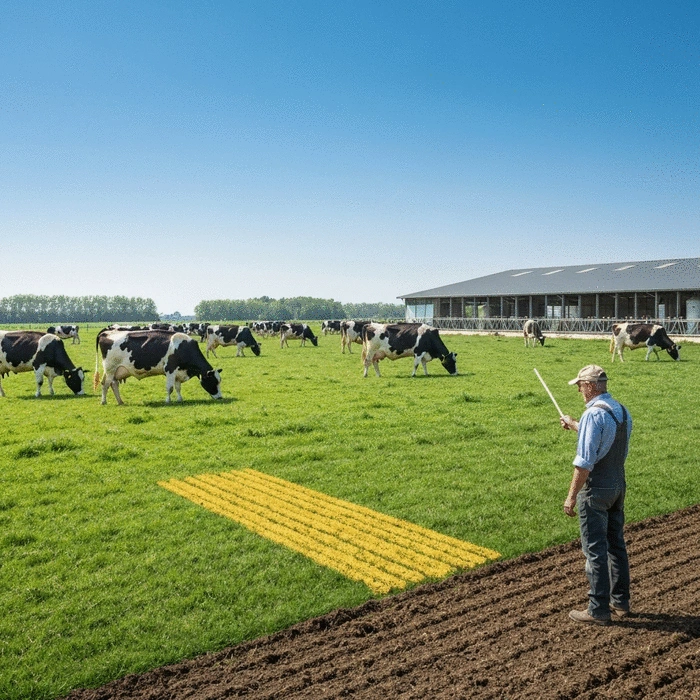
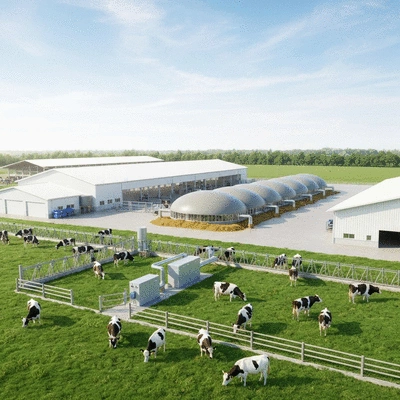
Sustainable dairy farming using biogas systems
Subscribe & Share
Enhancing Milk Production with Biogas Medium-Scale Dairy Farm Biogas Case Study: Boosting Milk Production with Digestate Fertilizer Have you ever considered how transforming waste into energy could revolutionize your dairy farming o
Build Your Own Tube Digester **Low-Cost Polyethylene Tube Digesters: Build Your Own Step-by-Step for Beginners** Are you ready to embark on a journey towards sustainable energy? With a polyethylene tube digester,
Biogas Initiative in Refugee Camps NGO-Led Biogas Project Case Study: Transforming Refugee Camp Waste into Clean Cooking Fuel What if a simple technology could transform the lives of refugees living in camps? Biogas projects a
Banner
Biogas Digester World

Your go-to resource for mastering renewable energy solutions through biogas technology. We help farmers, homeowners, and sustainability professionals with expert guidance and practical insights to harness organic waste for energy independence.

Trusted by individuals and organizations committed to sustainability, our mission is to provide reliable, easy-to-follow insights backed by expert knowledge in biogas applications.

Learn More
Recent Posts
Medium-Scale Dairy Farm Biogas Case Study: Boosting Milk Production with Digestate Fertilizer Enhancing Milk Production with Biogas

Have you ever considered how transforming waste in

**Low-Cost Polyethylene Tube Digesters: Build Your Own Step-by-Step for Beginners** Build Your Own Tube Digester

Are you ready to embark on a journey towards susta

NGO-Led Biogas Project Case Study: Transforming Refugee Camp Waste into Clean Cooking Fuel Biogas Initiative in Refugee Camps

What if a simple technology could transform the li

Biogas Insights and Tips