Join the Biogas Revolution!

Subscribe to receive the latest insights on biogas technology and how to turn organic waste into sustainable energy.

Farm Saves Energy with Biogas


Biogas Digester Success Story: How a Family Farm Cut Energy Costs by 40% with Manure Waste

Posted on: 2026-01-08
By: Liam Hargrove


Have you considered the potential of transforming waste into a valuable resource? Biogas digesters present an innovative solution that not only cuts costs but also promotes sustainability in farming. This technology can lead to a greener future for agriculture while empowering farmers to harness organic waste effectively.

What You Will Learn

  • Biogas digesters can reduce energy costs by up to 40% for farms, showcasing their financial benefits.
  • Understanding the components of a biogas digester, such as the digestion chamber and gas storage, is crucial for implementation.
  • Anaerobic digestion processes convert waste into renewable energy and nutrient-rich fertilizer, enhancing farm productivity.
  • Integrating biogas digesters contributes to environmental sustainability by reducing greenhouse gas emissions and managing waste effectively.
  • The use of biogas supports energy independence, decreasing reliance on fossil fuels and fostering rural development.
  • Policy incentives and grants are available to assist farmers in adopting biogas technology, making initial investments more feasible.

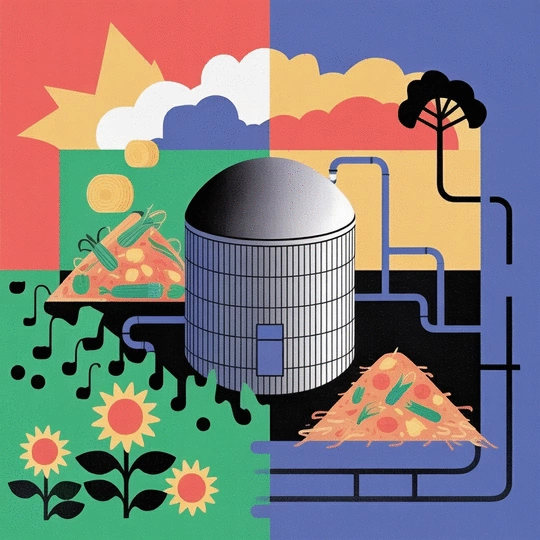
Transforming Waste to Energy: The Biogas Digester Impact

This visual highlights the key benefits and process of biogas digesters, demonstrating how they convert organic waste into valuable resources for significant cost savings and sustainable farming.

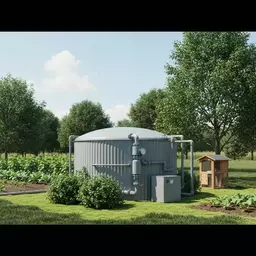
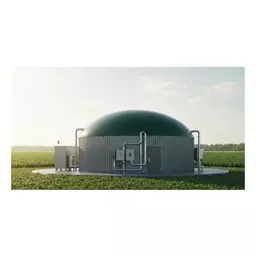
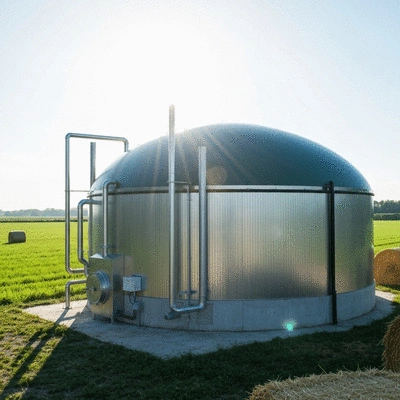
Biogas digester in action on a farm

Energy Cost Reduction

A family farm achieved a remarkable

40%

reduction in energy costs by implementing biogas digesters.

Biogas Digester Process Flow

  1. 1. Feeding: Organic waste (manure) is fed into the digester.
  2. 2. Digestion: Anaerobic microbes break down waste, producing biogas.
  3. 3. Harvesting: Biogas collected for energy; digestate processed for fertilizer.

Key Benefits of Biogas Digesters

  • Cost Savings: Reduced energy bills.
  • Environmental Impact: Reduces GHG emissions.
  • Fertilizer Production: High-quality organic fertilizer.

Components of a Biogas Digester

  • Digestion Chamber: Organic waste breakdown.
  • Gas Storage: Holds produced biogas.
  • Effluent Management: Manages leftover fertilizer.

Biogas Digester Success Story: How a Family Farm Cut Energy Costs by 40% with Manure Waste

As we dive into the world of biogas technology, I want to share an inspiring story that showcases its incredible potential. A family farm recently embraced biogas digesters, transforming manure waste into a renewable energy source. The result? They achieved a remarkable 40% reduction in energy costs! This success story not only highlights the financial benefits but also the sustainability that biogas systems can bring to agricultural operations.

By harnessing the power of organic waste, this family farm set a precedent for others to follow. It’s a testament to how innovative solutions can lead to significant savings and a greener future for farming. Let’s explore the fundamentals of biogas digesters and how they work together with farming practices.

Understanding Biogas Digesters and Their Role in Farming

What is a Biogas Digester?

A biogas digester is a system that processes organic materials, like manure, to produce biogas through anaerobic digestion. This process occurs without oxygen and relies on naturally occurring microorganisms to break down waste. The outcome? A rich source of renewable energy in the form of methane gas and nutrient-rich fertilizer! To understand more about the outlook for biogas and biomethane, you can refer to insights from the International Energy Agency.

Here are some key components of a biogas digester:

  • Digestion Chamber: Where organic waste is broken down.
  • Gas Storage: This holds the produced biogas for later use.
  • Effluent Management: Manages the leftover materials that can be used as fertilizer.

Understanding these components is vital as you consider implementing a biogas digester on your farm. It’s all about converting waste into a valuable resource!

The Process of Anaerobic Digestion and Manure Waste Conversion

Anaerobic digestion is the heart of a biogas digester’s operation. When manure enters the digestion chamber, it faces a series of biological processes. Microbes break down the organic matter, producing biogas and digestate. This digestate can be used as a potent fertilizer, enriching your soil and supporting plant growth! For a comprehensive guide on implementing these systems, the EPA AgSTAR Handbook provides detailed information on anaerobic digestion projects.

The process can be outlined in a few simple steps:

  1. Feeding: Organic waste, like manure, is fed into the digester.
  2. Digestion: Anaerobic microbes break down the waste, producing biogas.
  3. Harvesting: The biogas is collected for energy use, while the leftover digestate is processed for fertilizer.

It’s amazing to think that waste, which usually costs farmers for disposal, can serve as a renewable energy source and enrich the farm's productivity!

Benefits of Biogas Digesters for Farms: Cost Savings and Sustainability

Integrating a biogas digester into farm operations offers numerous benefits. The most prominent are cost savings and sustainability. By converting waste into energy, farmers can reduce their energy bills significantly. But that’s not all!

  • Environmental Impact: Reduces greenhouse gas emissions.
  • Waste Management: Manages and reduces waste effectively.
  • Fertilizer Production: Produces high-quality organic fertilizer.

These benefits collectively help farmers achieve greater energy independence and lower their environmental footprint. As a passionate advocate for renewable energy, I encourage you to consider how biogas digesters can transform your farming operations.

Exploring Renewable Energy: The Role of Biogas in Sustainable Agriculture

Biogas is not just a trend; it’s a critical component of sustainable agriculture. With the world moving towards cleaner energy solutions, leveraging biogas allows farmers to play their part in combating climate change. It aligns perfectly with the goals of reducing organic waste while producing energy efficiently. Research from institutions like the National Renewable Energy Laboratory (NREL) further highlights the importance of biogas in achieving sustainable energy goals.

Here’s why biogas is a game-changer for sustainable agriculture:

  • Renewable Source: Biogas is a renewable energy source derived from waste.
  • Energy Independence: Reduces reliance on fossil fuels.
  • Rural Development: Creates jobs and stimulates local economies.

As we move forward, it’s essential to recognize the transformative power of biogas in promoting sustainable practices in agriculture. Together, we can pave the way towards a greener future!

Engage with Us!

As you consider the implementation of biogas digesters on your farm, we want to hear your thoughts! What challenges do you foresee in adopting biogas technology? Share with us below:

Frequently Asked Questions About Biogas Digesters

What is a biogas digester?
A biogas digester is a system that processes organic materials like manure through anaerobic digestion to produce biogas (renewable energy) and nutrient-rich fertilizer.
How much can a farm save on energy costs by using a biogas digester?
As highlighted in a success story, a family farm achieved a remarkable 40% reduction in energy costs by implementing biogas digesters.
What are the main components of a biogas digester?
The key components include a digestion chamber (where waste breaks down), gas storage (to hold produced biogas), and effluent management (to handle leftover materials for fertilizer).
What is anaerobic digestion?
Anaerobic digestion is a process where microorganisms break down organic matter in the absence of oxygen, producing biogas and digestate (a nutrient-rich fertilizer).
What are the key benefits of biogas digesters for farms?
Benefits include significant cost savings on energy, positive environmental impact by reducing greenhouse gas emissions and managing waste, and the production of high-quality organic fertilizer.
How does biogas contribute to sustainable agriculture?
Biogas is a renewable energy source that reduces reliance on fossil fuels, minimizes organic waste, and contributes to rural development by creating jobs and stimulating local economies.
Are there incentives available for farmers to adopt biogas technology?
Yes, many governments offer policy incentives such as grants, tax credits, or subsidies to help reduce the initial investment costs for farmers adopting biogas technology.

Concluding Insights on Biogas Digesters for Family Farms

As we wrap up our exploration of biogas digesters, it’s clear that they offer numerous advantages for family farms. These systems not only provide significant cost savings but also contribute to a healthier environment and greater energy independence. Imagine transforming your farm's waste into renewable energy, leading to reduced expenses and a more sustainable operation!

Here’s a quick summary of the key benefits of biogas digesters:

  • Cost Savings: Farms can see reductions in energy bills, sometimes by up to 40%!
  • Environmental Impact: Biogas technology reduces greenhouse gas emissions and minimizes waste.
  • Energy Independence: By generating their own energy, farmers can become less reliant on external sources.

Each of these benefits highlights how biogas digesters can positively transform farm operations, making them not only financially viable but also environmentally responsible!

Next Steps: How Other Farms Can Implement Similar Solutions

If you’re inspired by the success stories of farms implementing biogas digesters, you might be wondering what steps you can take! Here’s a simple guide to help you get started:

  1. Assess Your Waste: Identify the types and quantities of organic waste generated on your farm.
  2. Research Options: Look into different biogas digester models that suit your farm's scale and needs.
  3. Consult Experts: Engage with professionals like those at Biogas Digester World for tailored advice.
  4. Plan for Installation: Create a detailed plan covering the logistics, space, and resources needed.
  5. Monitor and Maintain: After implementation, ensure you regularly monitor the digester for optimal performance.

Taking these steps can help you pave the way toward a more sustainable and cost-effective farming approach. I encourage you to explore the possibilities!

Engagement and Resources

Free Tools: Accessing a Biogas Calculator for Your Farm

At Biogas Digester World, we believe in empowering farmers with the right tools. That’s why we provide a free biogas calculator, helping you estimate potential energy production and savings. This handy tool can guide you as you consider the feasibility of a digester for your operation!

Additional Reading: Exploring More Biogas Success Stories and Innovations

Curious about how other farmers are successfully utilizing biogas technology? Check out our collection of real-life case studies that showcase innovative applications of digesters in various farming scenarios. These stories not only inspire but also provide practical insights.

Understanding Policy Incentives: Supporting Biogas Adoption in Agriculture

Lastly, don’t overlook the policy incentives available to farmers looking to adopt biogas technology! Many governments offer grants, tax credits, or subsidies that can significantly reduce the initial investment costs. Stay informed about these opportunities to maximize your financial benefits.

Recap of Key Points

Here is a quick recap of the important points discussed in the article:
  • Cost Savings: Biogas digesters can reduce energy costs by up to 40% for farms.
  • Environmental Benefits: Utilizing biogas technology helps decrease greenhouse gas emissions and manage organic waste effectively.
  • Energy Independence: By generating their own energy, farmers can lessen reliance on fossil fuels and external energy sources.
  • Fertilizer Production: The digestate produced is a nutrient-rich organic fertilizer that enhances soil health.
  • Implementation Steps: Assess waste, research options, consult experts, plan installation, and monitor performance for successful adoption.
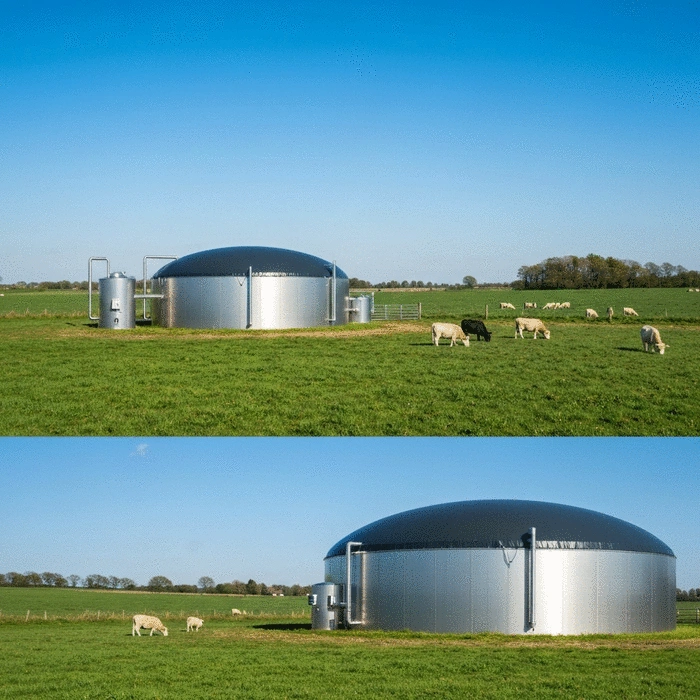
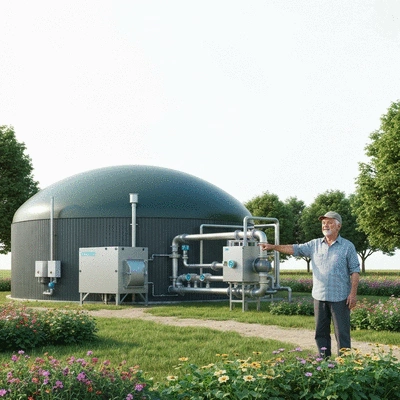
Biogas digester setup on a family farm
Subscribe & Share
Digesters: Plug-Flow vs Complete Mix **Plug-Flow vs Complete Mix Digesters: Key Differences and Which is Right for Your Farm** Curious about how your farm's organic waste can be transformed into renewable energy? By understandi
Village Power from Organic Waste Community Biogas Plant Case Study: Powering a Village from Organic Waste in Rural India Have you ever considered how organic waste could transform energy access in rural communities? The p
DIY Balloon Bags for Composting **Balloon Bag Digesters: Affordable DIY Options for Residential Organic Waste Management** What if you could transform your kitchen scraps into a renewable energy source? The balloon bag dige
Banner
Biogas Digester World

Your go-to resource for mastering renewable energy solutions through biogas technology. We help farmers, homeowners, and sustainability professionals with expert guidance and practical insights to harness organic waste for energy independence.

Trusted by individuals and organizations committed to sustainability, our mission is to provide reliable, easy-to-follow insights backed by expert knowledge in biogas applications.

Learn More
Recent Posts
**Plug-Flow vs Complete Mix Digesters: Key Differences and Which is Right for Your Farm** Digesters: Plug-Flow vs Complete Mix

Curious about how your farm's organic waste can be

Community Biogas Plant Case Study: Powering a Village from Organic Waste in Rural India Village Power from Organic Waste

Have you ever considered how organic waste could t

**Balloon Bag Digesters: Affordable DIY Options for Residential Organic Waste Management** DIY Balloon Bags for Composting

What if you could transform your kitchen scraps in

Biogas Insights and Tips