Common Challenges
- • Technical Failures: Nutrient deficiencies, temperature management.
- • Poor Maintenance: Decreased efficiency, potential failures.
- • Digestate Utilization: Concerns about quality, safe application.
Subscribe to receive the latest insights on biogas technology and how to turn organic waste into sustainable energy.
Posted on: 2026-04-03
By: Liam Hargrove
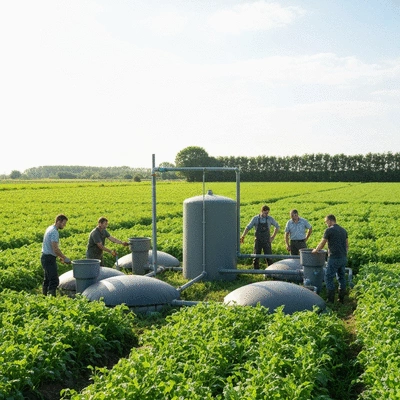
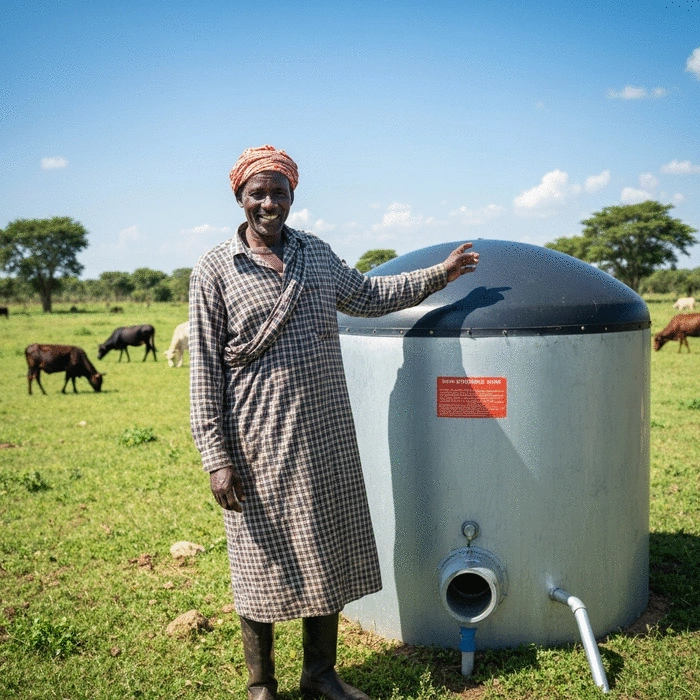
Consider the journey of a farmer turning organic waste into renewable energy. This transformation not only aids in waste management but also empowers communities in their pursuit of sustainability. What can we learn from the experiences of these innovators in biogas technology?
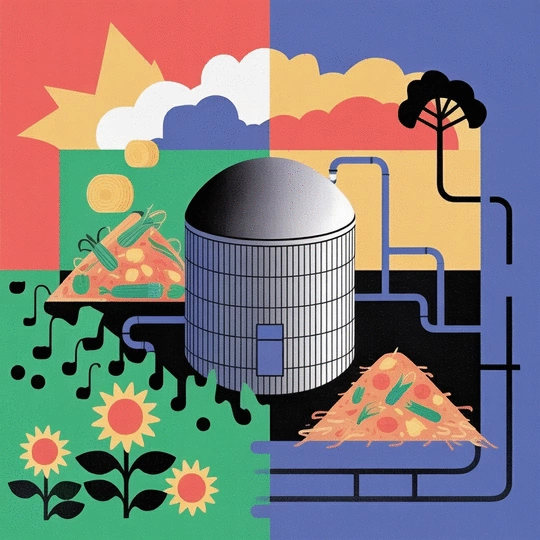
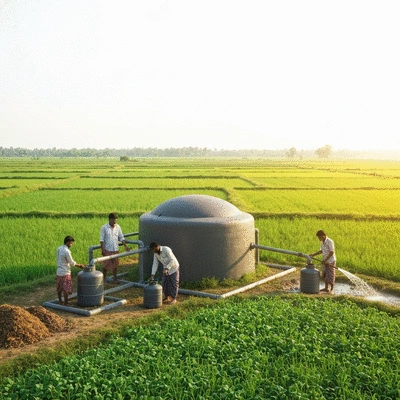
This visual summarizes the common challenges faced by farmers using biogas digesters and the corresponding opportunities for improvement, highlighting key areas of focus for successful implementation.
As a passionate advocate for renewable energy solutions, I often reflect on the remarkable journey of farmers who embrace biogas digesters. In Kenya, these systems hold the potential to transform organic waste into a valuable energy source. With my experience in biogas technology, I’ve seen firsthand how these digesters can mitigate challenges while empowering farmers to achieve sustainability and energy independence. Let’s explore the significance of biogas digesters, especially in the Kenyan context.
Biogas digesters are systems that convert organic waste, such as livestock manure and crop residues, into biogas through anaerobic digestion. This process not only produces renewable energy, but it also helps manage waste effectively. For farmers, this means reducing reliance on external energy sources while decreasing waste disposal costs.
In Kenya, where many farmers are smallholders, biogas digesters play a crucial role in fostering energy independence. Imagine being able to cook meals or power your farm equipment using energy sourced from the very waste produced on your farm! It’s an empowering shift toward sustainability. For a deeper understanding of biogas opportunities, you can refer to insights from the USDA's Biogas Opportunities Roadmap.
Biogas technology is at the heart of sustainable agriculture practices. By utilizing organic waste, farmers can not only enhance their energy supply but also improve soil health through the application of digestate, a nutrient-rich byproduct of the biogas production process. The EPA provides further data on anaerobic digestion facilities, including those processing food waste, demonstrating the widespread adoption and benefits of this technology.
It's clear that biogas systems contribute significantly to both energy production and agricultural sustainability, making them a valuable asset for farmers nationwide.
Anaerobic digestion is the biological process that powers biogas production. In this process, microorganisms break down organic matter in the absence of oxygen, resulting in the release of methane and carbon dioxide. Understanding this science is essential for farmers to maximize the efficiency of their digesters.
Implementing proper management practices—like maintaining optimal temperatures and nutrient levels—can significantly enhance gas production. In the coming sections, we’ll address the common challenges farmers face and how they can turn these into opportunities for improvement.
While biogas digesters can be fantastic tools, they come with their own set of challenges. One significant issue is nutrient deficiencies, which can hinder the digestion process. Farmers often struggle to maintain the right balance of materials to optimize gas production.
Alongside nutrient management, temperature control is crucial. Biogas production thrives within a specific temperature range, and fluctuations can adversely affect the microbial activity needed for effective digestion.
Many farmers may overlook the importance of regular maintenance, which can lead to decreased efficiency and potential failures in their systems. Without consistent monitoring and upkeep, biogas production can drop dramatically, impacting both energy output and waste management efforts. For insights into successful and sustainable biogas projects, the IEA Bioenergy provides international perspectives on the key drivers.
By prioritizing maintenance, farmers can ensure their digesters run smoothly and efficiently, providing the energy and environmental benefits they desire.
Digestate, the byproduct of biogas production, is packed with nutrients and can serve as a potent fertilizer. However, many farmers face challenges in effectively utilizing digestate. Concerns about its quality and potential contaminants can deter its use.
Proper utilization of digestate not only enhances soil health but also closes the nutrient loop on the farm. It’s essential for farmers to learn about safe application methods and the value of this resource, as it can dramatically benefit their agricultural practices.
In exploring the world of biogas digesters, we can draw inspiration from real stories of farmers like Anthony Muigai, who faced challenges but ultimately turned them into successes. By sharing these experiences, we can motivate others on their journey toward sustainability.
To enhance the efficiency of your biogas digester, consider implementing a regular monitoring schedule. This includes checking nutrient levels, pH balance, and temperature control. By staying proactive, you can maximize gas production and ensure your system operates at its best, ultimately leading to greater energy independence and sustainability on your farm.
As we reflect on the incredible journey many farmers have taken with biogas digesters, it’s clear that success isn’t just about technology; it’s about the determination and adaptability of each individual. We’ve seen firsthand how farmers like Anthony Muigai have transformed challenges into opportunities, highlighting key lessons that can guide future endeavors in sustainable farming.
In this section, let’s explore the key takeaways and how we can continue to support the movement toward renewable energy solutions in Kenya. Whether you’re a farmer, volunteer, or simply interested in the biogas revolution, there’s a way for you to be involved!
Throughout the process of troubleshooting and refining biogas systems, several important insights have emerged:
These lessons emphasize that it’s not just about installing a biogas digester; it’s about committing to ongoing learning and improvement. The importance of adaptability in farming cannot be overstated, especially as we face changing environmental conditions.
In the world of agriculture, persistence is often rewarded. Farmers who faced initial setbacks with their biogas systems found that sticking with it and making adjustments led to eventual success. Embracing change and staying informed about best practices allowed these individuals to optimize their systems effectively.
As the saying goes, “If at first you don’t succeed, try, try again!” This mindset has proven crucial in developing a resilient agricultural system that not only supports farmers but also protects our environment.
We must inspire the next generation of farmers to adopt sustainable practices. This involves integrating biogas technology into their operations and understanding its full potential. By promoting sustainability, we can create a ripple effect, encouraging more farmers to consider how they can reduce waste and harness organic materials for energy production.
It's essential to highlight the benefits of biogas systems, such as reduced dependency on fossil fuels and enhanced soil health through nutrient-rich digestate. By sharing these advantages, we can motivate others to join the movement towards a more sustainable agricultural future!
Economic viability is crucial when considering biogas projects, especially for smallholder farmers. Here are some factors to evaluate:
These considerations help farmers assess whether investing in biogas technology will be worthwhile in the long run. At Biogas Digester World, we provide resources to aid in this evaluation, ensuring that farmers can make informed, financially sound decisions.
As we look to the future, there’s a clear call to action. Everyone can play a role in supporting biogas initiatives in Kenya, whether through direct involvement or advocacy. Here’s how you can get started!
If you’re interested in diving into the world of biogas, there are numerous resources available:
By accessing these resources, both farmers and volunteers can deepen their knowledge and contribute to the collective effort toward sustainable energy solutions.
Your experiences matter! Sharing your biogas journey can inspire others in your community. Consider hosting local events or writing blogs to detail how biogas has impacted your life. The more stories we share, the stronger our community becomes.
Remember, peer learning is one of the most effective ways to increase the adoption of biogas systems. Together, we can create a supportive environment that encourages growth and innovation.
Ongoing education is vital for enhancing agricultural practices. We encourage farmers to participate in training programs focused on:
These programs provide farmers with the skills needed to maximize their biogas systems' potential, ensuring long-term success and sustainability.
At Biogas Digester World, we remain committed to our mission of empowering individuals and communities through knowledge and innovative solutions. Let’s work together to build a sustainable future, one biogas digester at a time!
Here is a quick recap of the important points discussed in the article: