1
Waste Collection & Input
Organic waste (food scraps, garden refuse) is collected from households.
Subscribe to receive the latest insights on biogas technology and how to turn organic waste into sustainable energy.
Posted on: 2026-03-16
By: Liam Hargrove
What if your kitchen scraps could power your home? Urban rooftop biogas digesters offer an innovative solution to food waste while generating renewable energy. Dive into the world of biogas and discover how these systems can transform urban living!
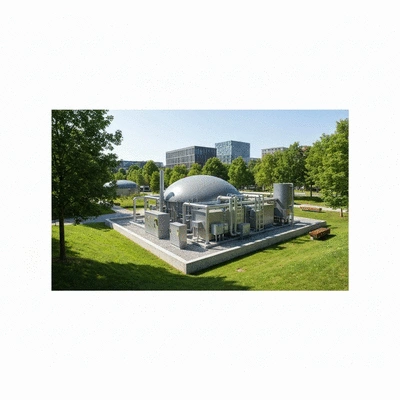
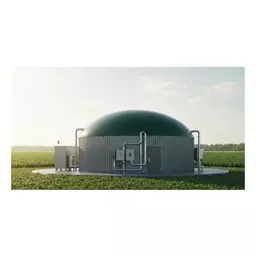
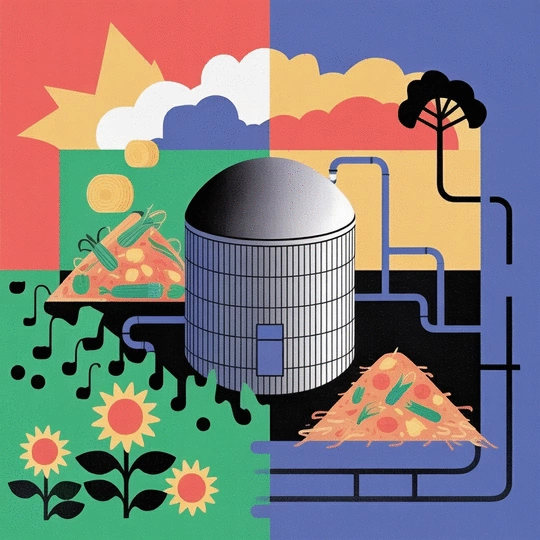
Urban rooftop biogas digesters transform organic waste into valuable resources through a streamlined process, contributing to sustainable living and energy independence.
Organic waste (food scraps, garden refuse) is collected from households.
Waste is processed in the digester, where microorganisms break it down without oxygen.
Methane gas is generated and captured, usable for heating, cooking, or electricity.
Leftover digestate becomes nutrient-rich fertilizer for urban gardens and agriculture.
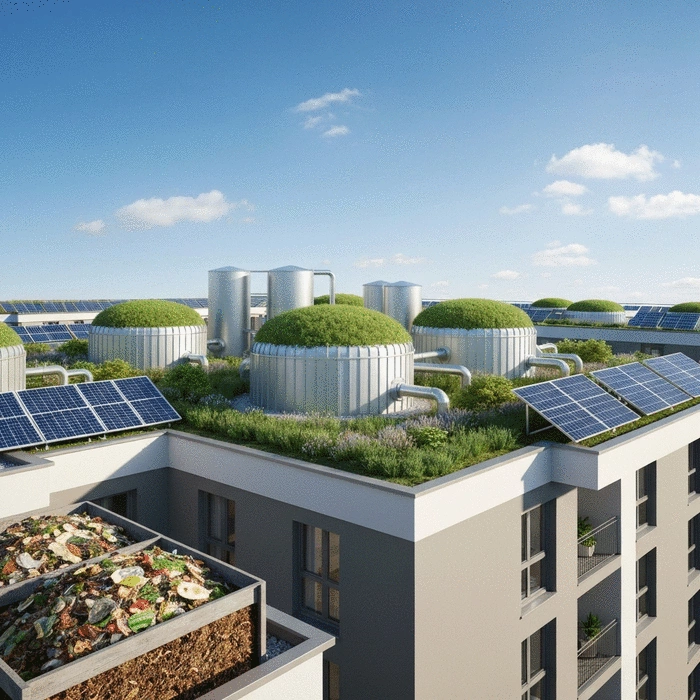
Urban rooftop biogas digesters are innovative systems designed to convert organic waste, particularly food scraps, into valuable resources like biogas and fertilizer. These systems function by utilizing anaerobic digestion, a process that breaks down organic material in the absence of oxygen, effectively transforming waste into energy. With the rising challenge of managing waste in densely populated areas, these digesters provide a practical solution for apartments seeking to reduce their environmental footprint.
The beauty of urban rooftop biogas digesters lies in their compact design, making them suitable for various urban settings. These systems not only help in waste management but also contribute to energy independence by generating a renewable energy source that can be used for heating, cooking, or even electricity generation. Imagine harnessing the power of your kitchen scraps to fuel your home—a truly sustainable approach!
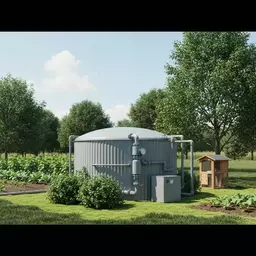
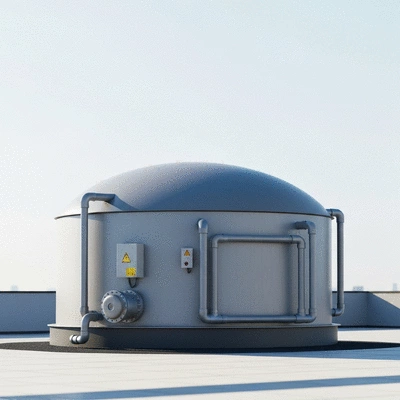
At its core, an urban rooftop biogas digester is a small-scale system that processes organic waste from households and businesses. These digesters can be installed on rooftops, making them ideal for urban apartments with limited space. They work by creating an environment where microorganisms can thrive, breaking down organic materials such as food waste, vegetable peelings, and garden refuse.
This seamless process not only reduces the volume of waste sent to landfills but also helps create a closed-loop system that benefits urban communities. Imagine turning your organic waste into clean energy while revitalizing local gardens—what a win-win scenario!
Food waste is a significant challenge in urban environments, contributing to greenhouse gas emissions when disposed of in landfills. According to the Food and Agriculture Organization, approximately one-third of all food produced globally is wasted. In cities, the numbers can be even higher, given the high turnover of food in restaurants and households.
Efficient food waste management practices are essential for creating sustainable urban spaces. Implementing systems like rooftop biogas digesters can significantly reduce waste and promote a healthier urban ecosystem. For instance, reports from the National Renewable Energy Laboratory (NREL) highlight the potential for biogas to displace traditional energy sources and manage organic waste effectively. Here’s why effective waste management matters:
The implementation of these systems not only mitigates waste but fosters a culture of sustainability among residents. As I often tell my audience at Biogas Digester World, when we take charge of our waste, we empower ourselves and our communities!
Biogas plays a pivotal role in promoting sustainability, especially in urban areas where energy demands are high. By converting organic waste into biogas, we can harness this renewable energy for everyday use. As detailed in the IEA Bioenergy Country Report, the use of biogas significantly diminishes reliance on fossil fuels, helping to combat climate change and move towards a more sustainable future.
Moreover, biogas systems contribute to resource recovery, enabling cities to utilize their waste more effectively. Here are a few ways biogas supports sustainable living:
At Biogas Digester World, we envision urban living that is not only sustainable but also vibrant and resourceful. The integration of biogas systems into urban lifestyles is a crucial step towards achieving energy independence and environmental stewardship. Let's embrace biogas as a viable solution for a cleaner, greener future in our cities!
What is your biggest concern when it comes to waste management in urban settings? Share your thoughts below:
As we look towards the future, the potential for growth in urban biogas systems is truly exciting! With cities continuing to grapple with waste management and energy demands, biogas offers a practical solution for reducing organic waste while generating clean energy. Imagine a city where every apartment complex harnesses its food waste to power its residents! This isn't just a dream; it's becoming a reality in various urban settings around the globe, as indicated in reports like the Minnesota Energy Policy and Conservation Report, which highlights growing interest in renewable energy solutions.
Scaling up these systems requires innovative thinking and collaboration. As the need for sustainable solutions grows, we can expect to see more urban biogas projects being adopted widely. By understanding the benefits and developing efficient models, we can pave the way for a cleaner, greener future.
Urban biogas systems have the potential to transform how cities manage waste and energy. Here are a few key areas where growth is expected:
By leveraging these areas for growth, urban biogas can become a cornerstone of sustainable city planning!
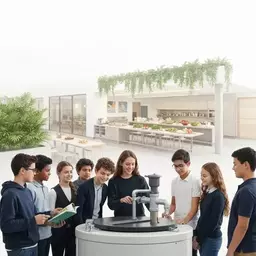
Not all biogas systems need to be complex or high-tech! Many urban environments can benefit from DIY designs and low-tech adaptations. Here’s a look at some approachable solutions:
These low-tech solutions not only make biogas more accessible but also empower communities to take charge of their waste and energy needs. It's all about making sustainability work for urban lifestyles!
Urban biogas systems play a significant role in fostering energy independence. By converting waste into energy, cities can reduce their reliance on external energy sources. Here are some benefits associated with this transition:
Ultimately, urban biogas initiatives can empower communities to create their energy future while tackling climate change head-on.
Even if you live in an apartment, there are plenty of ways you can support biogas initiatives! Here are some practical steps:
Every small action counts! By getting involved, you can make a significant impact on your community’s sustainability.
Now is the time to take action! I encourage you to join advocacy groups, participate in local sustainability efforts, and spread the word about biogas solutions. Here’s how you can start:
Your participation not only strengthens the movement but also builds a community committed to a sustainable future. Together, we can advocate for the change our cities need!
Here is a quick recap of the important points discussed in the article: