Have you ever considered how organic waste could transform energy access in rural communities? The potential of community biogas plants in India serves as a powerful reminder of what can be achieved when innovation meets local resources.
What You Will Learn
Community biogas plants convert organic waste into renewable energy, addressing both waste management and energy access issues.
Utilizing organic waste creates a circular economy that promotes sustainability and reduces pollution.
Key components of biogas plants include digesters, gas storage, and distribution systems, all essential for efficient energy production.
Biogas technology provides significant benefits for rural households, including improved health outcomes, cost savings on fuel, and environmental protection.
Successful projects, like the Bhintbudrak Biogas Project, highlight the importance of community involvement and collaboration among stakeholders.
A structured implementation timeline is crucial for measuring success and ensuring project sustainability over time.
The impact of biogas initiatives extends beyond energy access, enhancing local livelihoods and community empowerment.
This visual outlines the structured timeline and significant impact of the Bhintbudrak Biogas Project, highlighting key phases from planning to operational launch and its positive outcomes for local livelihoods and community empowerment.
Enhanced Energy Access: Clean cooking fuel access.
Economic Opportunities: New job roles created.
Improved Health Standards: Reduced indoor air pollution.
Understanding Community Biogas Plants in Rural India
Community biogas plants offer a transformative solution to energy challenges in rural India by utilizing organic waste effectively. As someone deeply passionate about renewable energy, I see firsthand how these systems can empower communities. By converting organic waste—like agricultural residues and kitchen scraps—into biogas, we not only address waste management issues but also enhance energy access.
In rural areas, where access to conventional energy sources can be limited, biogas systems provide a sustainable alternative. Imagine a village where every household can produce its own energy from waste they already generate! This potential is exactly why understanding community biogas plants is crucial for fostering a sustainable future.
The Role of Organic Waste in Rural Energy Solutions
Organic waste is a major resource in rural India, and its potential as an energy source is immense. Here are some key points to consider:
The majority of agricultural activities produce substantial organic waste.
Household waste, which often goes to landfills, can be redirected to biogas plants.
By harnessing this organic waste, we create a circular economy that supports both energy independence and environmental sustainability. The implications of this are significant, particularly for rural households striving for a better quality of life.
Key Components of Community Biogas Plants
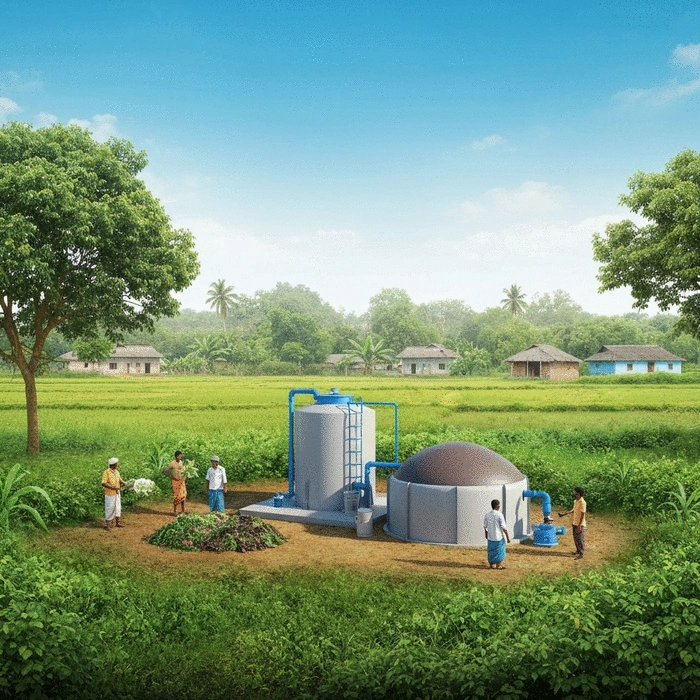
To understand how community biogas plants function, it's essential to familiarize ourselves with their key components. These systems typically include:
Digester: The heart of the system where anaerobic digestion occurs.
Gas Storage: A facility to store the biogas produced for later use.
Distribution System: Infrastructure to distribute the biogas to households or agricultural operations.
These components work together to ensure efficient biogas production. As we explore the implementation of these systems, it's vital to understand how each part contributes to the overall effectiveness of the project.
Exploring the Benefits of Clean Cooking Solutions for Rural Households
Implementing biogas plants brings numerous benefits, especially for clean cooking solutions in rural households. Some of the most notable advantages include:
Improved Health: Reduces indoor air pollution from traditional cooking fuels.
Cost Savings: Families save money previously spent on fuel such as wood or kerosene.
Environmental Impact: Less deforestation and carbon emissions due to reduced reliance on fossil fuels. Programs like those promoted by CalRecycle in California also emphasize the role of organic waste diversion in reducing greenhouse gas emissions.
By transitioning to biogas for cooking, families can significantly enhance their quality of life. As an advocate for renewable energy, I believe these changes are essential for promoting health and sustainability within rural communities.
Pro Tip
To maximize the efficiency of your community biogas plant, consider integrating a system for regular maintenance and community training sessions. This ensures that all users are well-informed about operation best practices, which can significantly enhance biogas production and system longevity. Remember, a well-maintained biogas plant not only provides sustainable energy but also fosters a sense of community ownership and responsibility!
Frequently Asked Questions About Community Biogas Plants
Here are some common questions regarding community biogas plants and their implementation:
What is a community biogas plant? A community biogas plant is a system that converts organic waste (such as agricultural residues and kitchen scraps) into biogas, a renewable energy source, for use by multiple households or a village.
How do community biogas plants help rural communities? They provide sustainable energy for cooking and lighting, improve waste management, reduce indoor air pollution, create economic opportunities, and decrease reliance on traditional, often polluting, fuels.
What are the main benefits of using biogas for cooking? Biogas provides a clean cooking solution, leading to improved health outcomes by reducing indoor air pollution. It also offers cost savings for families who would otherwise purchase wood or kerosene, and it contributes to environmental protection by reducing deforestation and carbon emissions.
What are the key components of a biogas plant? The essential components include a digester where organic waste undergoes anaerobic digestion, a gas storage unit to hold the produced biogas, and a distribution system to deliver the biogas to end-users.
What role do stakeholders play in the success of biogas projects? The success of biogas projects heavily relies on collaboration among various stakeholders, including local residents, government agencies (for funding and technical guidance), and NGOs (for training and education). This ensures community involvement, financial support, and operational knowledge.
Case Study: A Successful Implementation in Bhintbudrak, Gujarat
Let's delve into a remarkable case study of a biogas project that made waves in Bhintbudrak, Gujarat. This initiative not only showcases the potential of biogas technology but also illustrates how communities can harness organic waste to fuel their energy needs. It's a perfect example of how collective efforts can transform rural areas by utilizing local resources effectively!
The Bhintbudrak Biogas Project has become a beacon of hope for many communities struggling with energy shortages. By focusing on the unique aspects of this project, we can uncover valuable insights that will guide future biogas initiatives in rural India.
Overview of the Bhintbudrak Biogas Project
The Bhintbudrak Biogas Project was launched with the goal of providing clean energy solutions while reducing waste. This community-driven initiative involved various stakeholders, including local farmers, NGOs, and government agencies, all working together to create a sustainable energy model. The project's success has proven that collaboration is key to implementing effective biogas systems.
Community Involvement: Local residents played an active role in the planning and execution of the project.
Government Support: Financial backing and technical guidance from government bodies facilitated the project's establishment.
NGO Partnership: Local NGOs helped with training and education, ensuring that community members could operate and maintain the biogas systems.
This project has set a precedent for future implementations, showing that when communities come together, they can create lasting change! The combination of local knowledge and external support has driven the project's success.
Stakeholders Involved and Their Contributions
Identifying key stakeholders and their unique contributions is essential to understanding the success of the Bhintbudrak project. Each group played a critical role, ensuring that the project's objectives were not only met but exceeded.
Local Farmers: Provided organic waste and hands-on experience with biogas technology.
Government Agencies: Offered necessary funds and resources to support the project’s infrastructure.
NGOs: Facilitated training programs to empower community members with the knowledge to run the biogas plants.
The collaboration among these stakeholders demonstrates the importance of a multifaceted approach to implementing biogas solutions. By leveraging each party's strengths, the project not only thrived but also laid down the groundwork for similar initiatives across the region.
Timeline of Implementation and Key Milestones
The implementation of the Bhintbudrak Biogas Project followed a structured timeline that allowed for thorough planning and execution. Here’s a snapshot of the major milestones achieved throughout the project:
Initial Planning (Month 1-2): Engaging community members and identifying local waste sources.
Funding Acquisition (Month 3-4): Securing necessary funds from government and NGO partnerships.
Training Sessions (Month 5): Conducting workshops for community members on biogas plant operations.
Plant Construction (Month 6-8): Building the biogas digesters and infrastructure.
Operational Launch (Month 9): Beginning biogas production and energy distribution.
This structured timeline not only ensured the project's smooth execution but also provided benchmarks for measuring success. Each milestone marked a step closer to community empowerment and energy independence!
Impact on Local Livelihood Improvement and Community Empowerment
The impact of the Bhintbudrak project on local livelihoods cannot be overstated. It has led to significant improvements in community welfare, creating a ripple effect of positive changes. Here are some notable outcomes:
Enhanced Energy Access: Households gained reliable access to clean cooking fuel, reducing dependency on traditional fuels.
Economic Opportunities: New job roles were created, from plant operation to maintenance, benefiting the community.
Improved Health Standards: A reduction in indoor air pollution has led to better health outcomes for families.
Through this project, we witness how biogas technology can uplift communities, enhance their resilience, and empower them to take control of their energy needs. The success of the Bhintbudrak Biogas Project serves as a powerful reminder of the potential that lies within community-driven initiatives!
Recap of Key Points
Here is a quick recap of the important points discussed in the article:
Community biogas plants utilize organic waste to provide sustainable energy solutions in rural India.
Key components include digesters, gas storage, and distribution systems, which work together for efficient biogas production.
Implementing biogas systems can lead to improved health, cost savings, and reduced environmental impact for rural households.
Successful projects, like the Bhintbudrak Biogas Project, highlight the importance of community involvement and collaboration among stakeholders.
The project timeline and milestones are crucial for structured implementation and measuring success in community empowerment.
Your go-to resource for mastering renewable energy solutions through biogas technology. We help farmers, homeowners, and sustainability professionals with expert guidance and practical insights to harness organic waste for energy independence.
Trusted by individuals and organizations committed to sustainability, our mission is to provide reliable, easy-to-follow insights backed by expert knowledge in biogas applications.