Benefits of Polyethylene Tube Digesters
- Cost-Effective: More affordable than traditional materials.
- Lightweight & Portable: Easy transport and installation.
- Durable: Resistant to corrosion, ensuring longevity.
Subscribe to receive the latest insights on biogas technology and how to turn organic waste into sustainable energy.
Posted on: 2026-02-25
By: Liam Hargrove
Are you ready to embark on a journey towards sustainable energy? With a polyethylene tube digester, you can transform everyday organic waste into a renewable energy source right at home. This guide equips you with the knowledge to build your own digester, making energy independence more accessible than ever!
Delve into the core benefits, essential materials, and estimated biogas output of a low-cost polyethylene tube digester.
Are you ready to dive into the world of renewable energy with a polyethylene tube digester? This guide is designed specifically for beginners like you, who are eager to transform organic waste into valuable biogas while keeping costs low. At Biogas Digester World, we believe that everyone should have access to sustainable energy solutions that benefit both the environment and your wallet!
In this section, we’ll explore the numerous benefits of using a polyethylene tube digester, the essential materials you’ll need, and a step-by-step guide to help you through the installation process. Let’s get started!
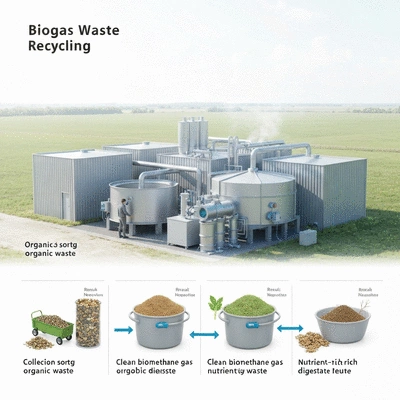
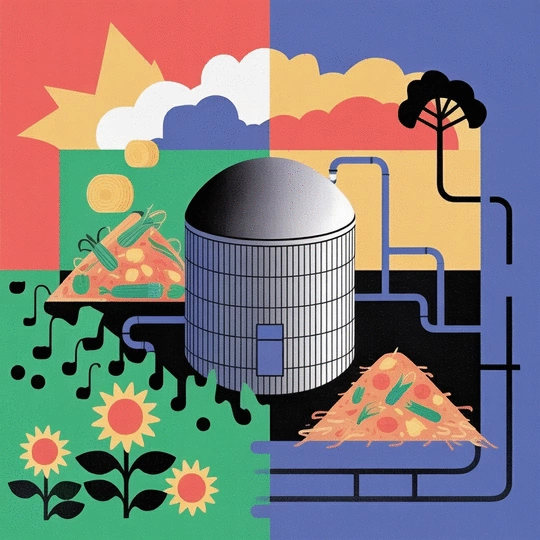
A polyethylene tube digester is a fantastic option for those looking to manage organic waste effectively. But what exactly is a biogas digester, and how does it work? Simply put, a biogas digester is a system that harnesses the natural process of anaerobic digestion to convert organic materials—think kitchen scraps and agricultural waste—into biogas, a renewable energy source.
Here are some key benefits of using a polyethylene tube digester:
Now, let’s delve deeper into the role of anaerobic digestion in waste management. This process not only reduces the volume of organic waste but also produces biogas, which can be used for heating, cooking, or even generating electricity. It’s a win-win situation!
A biogas digester operates by breaking down organic materials in the absence of oxygen. As bacteria decompose these materials, they release biogas, primarily comprised of methane and carbon dioxide. This gas can be collected and utilized for various applications, allowing you to create your own energy while reducing waste. For a comprehensive understanding of anaerobic digestion, you can refer to resources like the USDA's National Handbook of Conservation Practices, which details anaerobic digester systems.
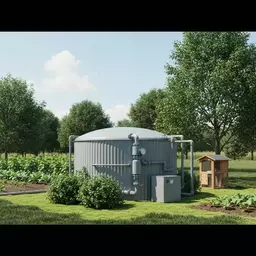
As we mentioned, polyethylene tubes offer several advantages. Their lightweight nature makes them easy to handle, while their flexibility allows for customization based on your specific needs. Plus, they are less likely to leak compared to rigid systems, providing peace of mind as you embark on your biogas journey.
Anaerobic digestion is a crucial component of sustainable waste management. It not only helps divert organic waste from landfills but also produces a valuable resource in the form of biogas. This process contributes to a circular economy, where waste is converted into energy, promoting a more sustainable future. The EPA's AgSTAR Operator Guidebook provides further insights into the operation and benefits of anaerobic digesters in managing agricultural waste.
Before diving into the construction of your polyethylene tube digester, let’s gather the essential materials you’ll need. Having everything prepared will make the installation process smoother and more efficient.
Next, let’s talk about where to source these affordable polyethylene tubes and other supplies. Many local hardware stores or agricultural supply centers stock these materials. You can also explore online retailers for competitive pricing!
Finding the right supplies doesn’t have to be a hassle! Check out these options:
By sourcing your materials wisely, you can save money while building your digester.
Composting plays a vital role in the success of your digester. By ensuring you have a balanced mix of carbon-rich (browns) and nitrogen-rich (greens) materials, you’ll create an optimal environment for anaerobic bacteria to thrive. Incorporating kitchen scraps, yard waste, and other organic materials will enhance the efficiency of your digester and improve biogas production.
Now that you have your materials, it’s time to get your hands dirty! In this section, I’ll walk you through the installation process step-by-step. Following these guidelines will help you set up your digester effectively for maximum biogas yield.
Let’s explore each of these steps in detail, so you can confidently build your own digester!
First off, select a suitable location for your digester, ideally close to your waste source. Then, dig a trench deep enough to accommodate the tube while ensuring it is stable and secure. Remember to consider drainage and accessibility!
Next, it’s time to assemble your polyethylene tube. Connect the pieces securely, ensuring a tight fit to prevent leaks. You might want to test the connections with water to confirm they hold before proceeding.
After assembling your digester, install the gas outlet and slurry inlet/outlet systems. This setup will allow you to collect the biogas produced efficiently and manage the slurry produced during the digestion process.
When filling your digester, aim for a balanced mix of organic waste materials. Aim for a ratio of about 3:1 of high-carbon materials to nitrogen-rich materials. This balance will optimize the fermentation process and enhance biogas production. For detailed guidelines on operating and maintaining an anaerobic digester, the New York State Department of Environmental Conservation provides valuable resources.
Finally, don’t forget to integrate waste recycling techniques. Composting and layering organic materials can improve the quality of the waste entering your digester. This step not only contributes to better biogas output but also supports sustainable practices in your household.
As you embark on your biogas journey, it’s essential to be aware of common challenges you may face. Troubleshooting effectively can save you time and frustration!
By being proactive and attentive to your setup, you can maximize the efficiency of your biogas digester.
If you notice gas flow issues or leaks, don't panic. Start by inspecting each connection and the tube for any visible damage. A simple tightening or resealing can often solve the problem!
Regular maintenance is crucial for optimal performance. Check for any signs of wear and tear, and ensure the gas outlet is clear. Empty the slurry regularly to prevent buildup and maintain efficiency.
To enhance energy efficiency, consider insulating your digester during colder months. This step will help maintain a stable temperature, promoting a productive fermentation environment. Additionally, regularly adding fresh organic waste keeps the bacteria active and thriving!
As you move forward with your digester, it's important to have realistic expectations regarding biogas production. Understanding the potential output can help you plan effectively.
With patience and effort, you’ll be amazed at the transformation of your waste into a renewable energy source!
Depending on the size of your digester and the types of waste you use, you can expect to produce varying amounts of biogas. For example, a well-maintained digester can yield between 0.5 to 1 cubic meter of biogas per day from roughly 100 kg of organic waste. That’s a significant amount!
The biogas you produce can be used for various practical applications in your home. Whether it’s cooking your family meals, heating water, or providing energy for lighting, the possibilities are endless. Embrace the independence that comes from generating your own energy!
By utilizing a polyethylene tube digester, you not only contribute to your energy independence but also promote sustainable practices. This journey is not just about waste management; it's about embracing a lifestyle that values sustainability and environmental responsibility.
To maximize the efficiency of your polyethylene tube digester, consider integrating a simple monitoring system. By tracking the temperature and pH levels inside the digester, you can make timely adjustments to the organic waste mix. This proactive approach can significantly enhance biogas production and ensure a steady energy supply for your needs!
Here are some common questions people ask about polyethylene tube digesters, along with their answers:
Congratulations on taking the initiative to explore the creation of your own polyethylene tube digester! As we wrap up this guide, let’s recap some of the key points we've discussed regarding building and maintaining your digester. From understanding the materials needed to the step-by-step installation process, this project opens up a world of possibilities for sustainable energy production.
To summarize, you’ve learned about the essential components of a digester, including the importance of proper waste management through anaerobic digestion. These systems not only provide renewable energy but also contribute to reducing organic waste, making them a valuable asset for any farmer, homeowner, or sustainability advocate.
As you move forward with your digester project, remember that building a biogas system is not just about the technology; it's about fostering a culture of sustainability. The benefits extend beyond your immediate needs, contributing positively to the environment and your community.
I encourage you to connect with others who are on similar paths. Sharing your experience can provide insights for both you and fellow DIY enthusiasts. You might find community groups focused on biogas technology, sustainability, or even specific platforms related to urban farming and community gardening.
Engagement can take many forms, such as:
Sharing your journey not only helps you learn but can also inspire others to take action toward sustainability!
As you continue your biogas journey, consider exploring the following resources for additional knowledge and support:
Finally, integrating your biogas digester with community gardening or urban farming projects can exponentially increase the impact of your efforts. These practices allow for:
By actively participating in community efforts, you can help promote sustainable living while showcasing the practical applications of biogas technology. Together, we can create a greener future one digester at a time!
Here is a quick recap of the important points discussed in the article:
As you move forward with your digester project, remember that building a biogas system is not just about the technology; it's about fostering a culture of sustainability. The benefits extend beyond your immediate needs, contributing positively to the environment and your community.