What if you could turn livestock waste into a renewable energy source? Covered lagoon digesters not only manage waste but also generate energy for farms, promoting sustainability and efficiency. Let’s delve into the key insights from the innovative world of covered lagoon digesters!
What You Will Learn
Covered lagoon digesters are cost-effective solutions for managing livestock manure while producing renewable energy.
These systems utilize natural anaerobic processes, minimizing mechanical energy input and reducing carbon footprints.
Optimal designs, such as double-cell lagoons and flexible covers, enhance biogas yield and efficiency.
Implementing best practices in monitoring and maintenance is crucial for maximizing the longevity and functionality of digesters.
Substantial financial incentives from government programs can lower the initial investment and encourage adoption of biogas technology.
Case studies show that farms using covered lagoon digesters can achieve energy independence and additional revenue streams from biogas sales.
These systems significantly contribute to greenhouse gas emissions reduction, supporting environmental sustainability in farming.
Effective management of digestate can enhance soil health, promoting sustainable crop production and benefiting the circular economy.
Covered Lagoon Digesters: Systems Comparison & Key Metrics
This visual summarizes the functionality, economic aspects, and environmental benefits of Covered Lagoon Digesters, contrasting them with other systems and highlighting their key specifications.
System Comparison: Covered Lagoon vs. Others
✓
Cost-Effective: Lower installation & maintenance costs than mechanical systems.
✓
Simple Operation: Minimal energy input, passive natural processes.
✓
Lower Carbon Footprint: Reduced reliance on mechanical equipment.
Key Design & Operational Elements
●
Sloped Bottoms: Facilitate efficient drainage.
●
Flexible Membrane Covers: Capture biogas and maintain anaerobic conditions.
●
Double-Cell Lagoons: Separate areas for digestion and gas collection, enhancing efficiency.
Economic Viability & Incentives
$
Offset Costs: Installation costs can be offset by waste management savings.
$
Revenue Potential: Biogas sales create additional income streams.
$
Subsidies & Grants: Government programs reduce upfront investment.
Environmental & Energy Advantages
☀
Methane Capture: Significantly reduces greenhouse gas emissions.
☀
Renewable Energy: Biogas converted to electricity, heat, or fuel.
☀
Groundwater & Odor: Protection through contained waste management.
Understanding Covered Lagoon Digesters for Livestock Operations
As a passionate advocate for renewable energy solutions at Biogas Digester World, I often find myself discussing the incredible potential of covered lagoon digesters in livestock operations. These innovative systems not only provide farm energy solutions but also enhance sustainable practices. Let’s dive into what these digesters are and how they function!
What Are Covered Lagoon Digesters?
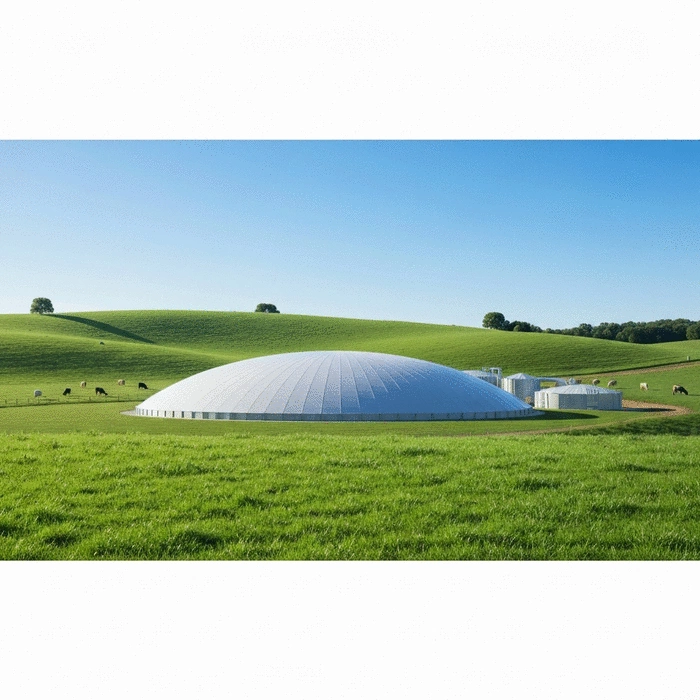
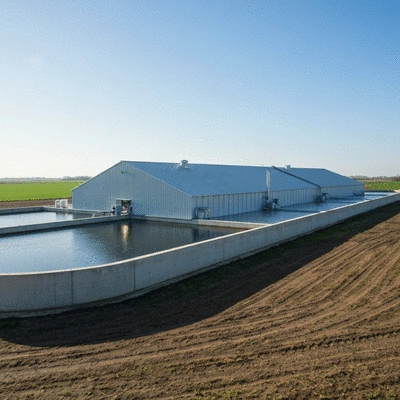
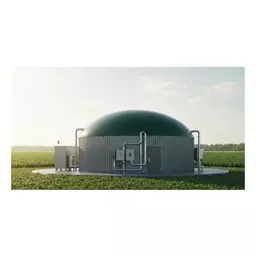
Covered lagoon digesters are passive anaerobic systems specifically designed to treat livestock manure. Essentially, they consist of large ponds covered with flexible membranes that capture biogas produced from decomposing organic materials. This biogas, primarily composed of methane, can be harnessed for renewable energy, making it a valuable asset for any livestock operation.
Definition and Functionality of Passive Anaerobic Systems
These passive systems rely on natural processes to break down organic waste. Here’s how they work:
Organic waste is placed in the lagoon, where anaerobic bacteria thrive without oxygen.
As the bacteria digest the waste, methane gas is produced and collected under a flexible cover.
This methane can then be used for heating, electricity, or as a vehicle fuel.
Understanding this process is crucial, as it highlights the efficiency of covered lagoon digesters compared to traditional waste management strategies.
Comparison with Other Digestive Systems in Livestock
When we compare covered lagoon digesters with other digestive systems, such as mechanical digesters or plug flow digesters, several key differences emerge:
Cost-Effective: Covered lagoons typically have lower installation and maintenance costs.
Simple Operational Needs: These systems require minimal energy input for operation.
Natural Process: The passive nature reduces reliance on mechanical equipment, thus lowering the carbon footprint.
This makes covered lagoon digesters a compelling choice for farmers looking to manage manure sustainably while benefiting from energy production.
Technical Insights into Covered Lagoon Digesters
Let’s take a closer look at some of the technical aspects that make covered lagoon digesters effective for livestock operations:
Design Elements and Operational Mechanics
The design of a covered lagoon digester is critical for its functionality. Typically, they include features such as:
Sloped bottoms to facilitate easy drainage.
Flexible membrane covers that allow for gas collection.
Access points for maintenance and monitoring.
These design elements ensure optimal performance, enabling the system to efficiently convert organic waste into valuable biogas.
Key Specifications: Double-Cell Lagoons and Flexible Covers
Many advanced systems utilize double-cell lagoons, which enhance efficiency by providing separate areas for digestion and gas collection. The flexible covers play a vital role as well, adjusting to changes in gas volume and maintaining anaerobic conditions. This adaptability is critical to maximizing biogas yields!
Understanding Biogas Yields and Hydraulic Detention Time
When discussing biogas yields, it’s essential to note how hydraulic detention time affects the process. Hydraulic detention time refers to how long the waste remains in the lagoon.
Longer detention times generally lead to higher biogas production.
By understanding these variables, farmers can better manage their systems for maximum efficiency.
Lagoon Design: Best Practices for Optimal Performance
Implementing best practices in lagoon design is crucial for ensuring long-term operation. Here are some tips:
Regular monitoring of waste input and gas output.
Properly maintaining the flexible cover to prevent leaks.
Incorporating effective waste mixing strategies to promote uniform digestion.
By following these practices, farmers can optimize the performance of their covered lagoon digesters and enhance their sustainability efforts.
Economic Viability of Covered Lagoon Digesters
Now that we’ve unpacked the technical aspects, let's explore the economic viability of implementing covered lagoon digesters on livestock operations.
Cost Analysis: Breakdown of Expenses per Cow
The initial investment in a covered lagoon digester can vary based on several factors, including size and location. However, understanding the costs per cow can help in planning:
Installation costs can be offset by savings in waste management.
Ongoing operational costs are typically lower than traditional waste systems.
Potential revenue from biogas sales can further enhance profitability.
When we analyze these aspects, it becomes clear that digester systems can be a sound investment for livestock operations.
Subsidies and Financial Support for Implementing Digesters
It’s worth noting that various government programs offer subsidies and financial assistance for farmers interested in adopting biogas technology. These incentives can significantly reduce the upfront costs and encourage the transition to more sustainable practices! For example, the USDA's Natural Resources Conservation Service offers programs like the Conservation Innovation Grants (CIG) to support innovative agricultural practices, including anaerobic digesters. You can find more information about these initiatives and their impact on biogas projects in reports from agencies like the USDA.
Profitability Potential: Real-World Case Studies
Case studies demonstrate the profitability of covered lagoon digesters. For instance, numerous farms have reported:
Increased energy independence.
Reduced waste disposal fees.
Additional revenue streams from renewable energy production.
These real-world examples illustrate the tangible benefits that come from investing in covered lagoon technology, as highlighted in various studies, including one by the California Energy Commission on dairy digester projects.
Evaluating the Economic Viability of Manure Management Solutions
Ultimately, evaluating the overall economic viability of manure management solutions involves considering long-term gains versus initial investments. Covered lagoon digesters stand out as a prime solution, offering not just economic benefits but also environmental and social ones.
Environmental and Energy Benefits
Covered lagoon digesters play a crucial role in enhancing environmental benefits while providing renewable energy solutions for farms.
Impact on Methane Capture and Emissions Reduction
These systems significantly improve methane capture compared to traditional manure management. By harnessing methane, farms can:
Reduce greenhouse gas emissions.
Contribute to a healthier environment and community.
This not only helps in compliance with environmental regulations but also positions farms as responsible stewards of the land. The EPA's AgSTAR program provides extensive data on the environmental benefits of digesters, including significant methane emission reductions.
Transforming Biogas into Renewable Energy Solutions
Once captured, biogas can be transformed into renewable energy solutions, such as:
Electricity generation.
Heating for facilities.
Upgrading to renewable natural gas for transportation.
This versatility makes biogas a powerful tool for energy independence on the farm!
Groundwater Protection and Odor Management Advantages
Covered lagoon digesters also offer significant advantages in protecting groundwater and managing odors. By containing waste, these systems prevent leachate from contaminating local water supplies and mitigate the unpleasant odors associated with traditional manure treatment.
Contributing to Climate Change Mitigation through Sustainable Practices
Moreover, the use of covered lagoon digesters supports broader climate change mitigation efforts. By reducing reliance on fossil fuels and enhancing sustainable practices, farms can actively contribute to combating climate change, ensuring a healthier planet for future generations.
Frequently Asked Questions (FAQs) about Covered Lagoon Digesters
Here are some common questions about covered lagoon digesters:
Q1: What is a covered lagoon digester?
A1: A covered lagoon digester is a passive anaerobic system designed to treat livestock manure. It consists of a large pond covered with a flexible membrane that captures biogas (primarily methane) produced from the decomposition of organic waste. This biogas can then be converted into renewable energy.
Q2: How do covered lagoon digesters compare to other manure management systems?
A2: Covered lagoon digesters are generally more cost-effective to install and maintain than mechanical or plug-flow digesters. They operate passively, requiring minimal energy input, and have a lower carbon footprint due to reduced reliance on mechanical equipment.
Q3: What are the key design elements of an efficient covered lagoon digester?
A3: Key design elements include sloped bottoms for efficient drainage, flexible membrane covers for biogas capture and maintaining anaerobic conditions, and often double-cell lagoons to separate digestion and gas collection for enhanced efficiency. Access points for maintenance and monitoring are also crucial.
Q4: How do covered lagoon digesters contribute to economic viability for farms?
A4: These digesters offer economic benefits by offsetting waste management costs, providing potential revenue streams from biogas sales (for electricity, heat, or fuel), and reducing energy expenses. Government subsidies and grants can also significantly lower the initial investment.
Q5: What environmental benefits do covered lagoon digesters offer?
A5: Covered lagoon digesters significantly reduce greenhouse gas emissions by capturing methane that would otherwise be released into the atmosphere. They also protect groundwater by containing waste and mitigate odors associated with traditional manure treatment, contributing to overall climate change mitigation.
Addressing Maintenance and Longevity Concerns
For farmers considering a covered lagoon digester, understanding maintenance and longevity is key to ensuring a worthwhile investment!
Routine Maintenance Protocols for Long-Term Operation
Implementing consistent maintenance protocols can extend the life of your digester. Key practices include:
Regular inspections of the flexible cover for wear and tear.
Monitoring gas production and adjusting parameters as needed.
Maintaining proper waste input levels to optimize digestion.
These steps can help maintain efficiency and performance over time.
Case Studies on Longevity and ROI of Digesters
Several farms have reported long-lasting success with their covered lagoon digesters, showcasing impressive ROI. These case studies highlight the importance of proactive management and adherence to best practices in maintaining system health.
Effective Digestate Management for Enhanced Soil Health
Furthermore, effective digestate management is essential. The nutrient-rich digestate produced can be utilized as a fertilizer, enhancing soil health and promoting sustainable crop production. This not only benefits the farm but also contributes to the circular economy.
Pioneering Passive Systems for Swine and Dairy Operations
As we delve deeper, let's explore how these systems are particularly beneficial for swine and dairy operations.
Special Considerations for Large-Scale Dairy and Swine Farms
Large-scale dairy and swine farms can greatly benefit from covered lagoon digesters. Their higher waste outputs can be efficiently managed with these systems, making them ideal for large herds. However, unique considerations include:
Scaling system size appropriately to match waste generation.
Careful management of waste inflow to ensure optimal digestion.
Addressing these considerations can lead to higher efficiency and profitability!
Innovative Approaches: Startup Seeding with Sludge and Geo-Membranes
Innovations in startup seeding techniques using sludge and geo-membranes have shown promise in expediting the digestion process. These strategies can lead to faster biogas production and improved overall system performance.
Impact of Biogas Production on Farm Sustainability
Overall, the impact of biogas production on farm sustainability cannot be understated. By providing renewable energy and enhancing nutrient cycling, covered lagoon digesters support farms in achieving their sustainability goals.
Regulatory Landscape and Compliance for Covered Lagoon Digesters
Finally, understanding the regulatory landscape surrounding covered lagoon digesters is vital for successful implementation.
Current Incentives and Regulations Affecting Implementation
Various state and federal programs offer incentives for farmers to implement biogas technology. Staying informed about these regulations can help maximize financial support and ensure compliance.
Evaluating Climate Impact Metrics and Sustainability Goals
Farmers should also evaluate climate impact metrics as part of their sustainability goals. By tracking emissions reductions and energy production, operations can align with broader environmental objectives.
Understanding Regulatory Compliance for Waste Management Solutions
Finally, understanding the regulations governing waste management solutions is crucial. Compliance not only helps avoid penalties but also fosters community trust and enhances the farm's reputation as a responsible operation.
Pro Tip
Consider integrating regular monitoring of your covered lagoon digester's performance. By tracking key metrics such as biogas production and hydraulic detention time, you can make timely adjustments that optimize efficiency and maximize methane output, ensuring your system operates at its best!
Conclusion: The Future of Covered Lagoon Digesters in Livestock Farming
As we wrap up our exploration of covered lagoon digesters, it's clear that these systems represent a significant advancement in sustainable livestock farming. By utilizing the natural processes of anaerobic digestion, farmers can not only manage waste effectively but also harness it to produce renewable energy. This dual benefit enhances operational efficiency and promotes a greener future for agriculture.
It's essential to recognize the long-term economic benefits that come with adopting these systems. Covered lagoon digesters can reduce energy costs, provide potential revenue streams from biogas, and minimize environmental impact, making them a wise investment for farmers looking to thrive sustainably.
Summarizing the Benefits of Passive Systems
Covered lagoon digesters are not just a passing trend; they are a game changer in livestock management. Here’s a summary of the key benefits:
Sustainability: Significant reductions in greenhouse gas emissions.
Economic Savings: Lower energy costs and potential income from biogas.
Soil Health: Improved digestate as a nutrient-rich fertilizer.
With these advantages, it’s no wonder that many farmers are considering this approach as part of their operational strategy. As a passionate advocate for renewable energy solutions, I at Biogas Digester World encourage farmers to explore how these digesters can be tailored to their specific needs.
Enhancing Operational Efficiency and Sustainability
Implementing covered lagoon digesters can enhance both operational efficiency and sustainability. By converting waste into energy, farmers can meet some of their energy needs, thus reducing reliance on external sources. Furthermore, these systems contribute to a more circular economy, where waste is transformed into a valuable resource.
The operational advantages extend beyond energy generation. For instance, the management of manure can become simpler and more cost-effective, aligning with environmental best practices. Overall, the adoption of these systems is an opportunity for farmers to lead the way in sustainable agricultural practices.
Long-Term Economic and Environmental Advantages
Looking ahead, the long-term economic advantages of covered lagoon digesters cannot be understated. The initial investment may seem daunting, but the potential return on investment (ROI) from energy savings and additional revenue from biogas can significantly offset these costs. Moreover, the environmental benefits—such as reduced methane emissions and improved soil health—contribute to a more sustainable farming future.
Farmers who embrace these systems can not only enhance their bottom line but also position themselves as leaders in sustainable practices. It’s about making informed decisions that benefit both the business and the environment.
Encouraging Adoption and Best Practices
As we look to the future, encouraging the adoption of covered lagoon digesters is vital. Here are some practical steps you can take:
Conduct a Feasibility Study: Assess your farm's specific needs and conditions.
Engage with Experts: Consult with biogas professionals and agricultural extension services.
Explore Financial Incentives: Research available subsidies and grants for renewable energy projects.
Join a Community of Practice: Connect with other farmers who have implemented similar systems.
Following these steps can help streamline the process of integrating a covered lagoon digester into your operation, positioning you for success in sustainable agriculture.
Resources for Further Learning and Support in the Industry
There’s a wealth of resources available for farmers who wish to delve deeper into biogas technology and covered lagoon digesters. I recommend checking out:
Biogas Digester World: Comprehensive guides and case studies on digesters.
Local Agricultural Extensions: Programs that offer support and education on renewable energy solutions.
Industry Conferences: Networking opportunities and workshops on sustainable farming practices.
By tapping into these resources, you can gain valuable insights and support that will aid you in making informed decisions for your farm.
Exploring Agricultural Innovation for Waste-to-Energy Technology
The future of agriculture lies in innovation, and waste-to-energy technology is at the forefront of this revolution. As farmers adopt covered lagoon digesters, they not only transform waste into energy but also pave the way for a more resilient agricultural sector.
I encourage you to stay curious about new developments in biogas technology and to consider how these innovations can benefit your operation. Together, we can lead the charge towards a sustainable and energy-independent future for livestock farming.
Recap of Key Points
Here is a quick recap of the important points discussed in the article:
Understanding Covered Lagoon Digesters: These systems treat livestock manure through passive anaerobic digestion, capturing valuable biogas for energy use.
Cost-Effectiveness: Covered lagoons generally have lower installation and maintenance costs compared to traditional waste management systems.
Design Best Practices: Key design elements include sloped bottoms for drainage, flexible covers for gas collection, and regular monitoring to optimize performance.
Economic Viability: The potential for cost savings and revenue generation from biogas sales makes these systems a smart investment for farmers.
Environmental Benefits: Enhanced methane capture and reduced greenhouse gas emissions contribute to sustainable farming practices and climate change mitigation.
Maintenance for Longevity: Regular inspections and effective digestate management are crucial for the long-term success of covered lagoon digesters.
Your go-to resource for mastering renewable energy solutions through biogas technology. We help farmers, homeowners, and sustainability professionals with expert guidance and practical insights to harness organic waste for energy independence.
Trusted by individuals and organizations committed to sustainability, our mission is to provide reliable, easy-to-follow insights backed by expert knowledge in biogas applications.