Digester Types Overview
Plug-Flow Digesters
Best for high-solid content, linear flow, consistent retention time.
Complete Mix Digesters
Suitable for varied organic materials, thorough mixing, flexible feedstock.
Subscribe to receive the latest insights on biogas technology and how to turn organic waste into sustainable energy.
Posted on: 2026-01-27
By: Liam Hargrove
Curious about how your farm's organic waste can be transformed into renewable energy? By understanding the fundamentals of anaerobic digesters, you can unlock significant benefits for both your operations and the environment.
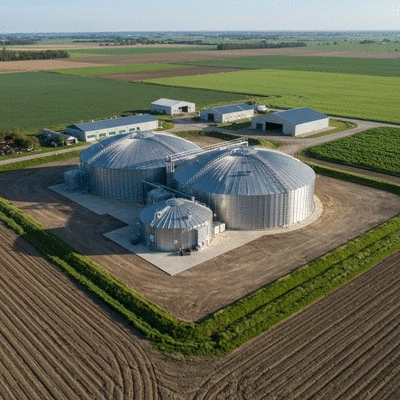
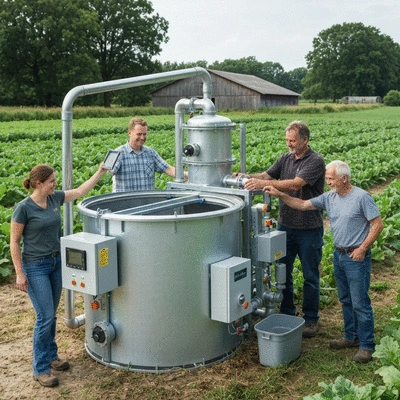
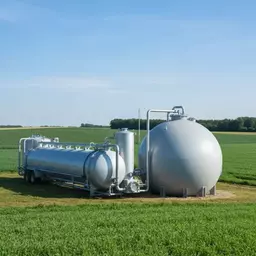
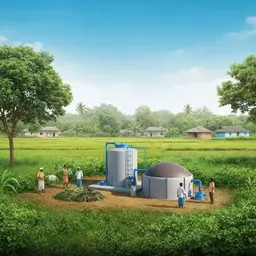
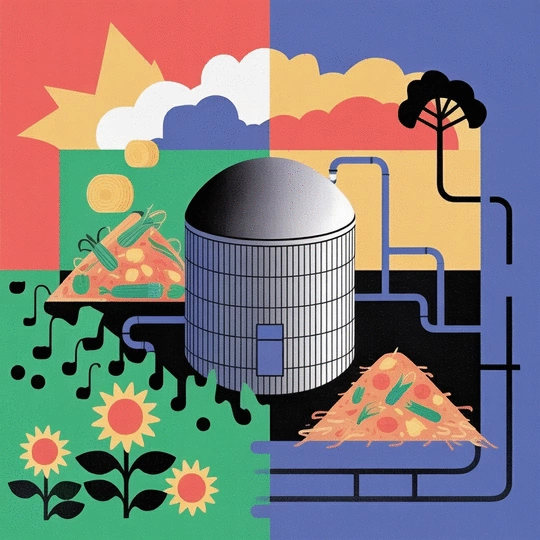
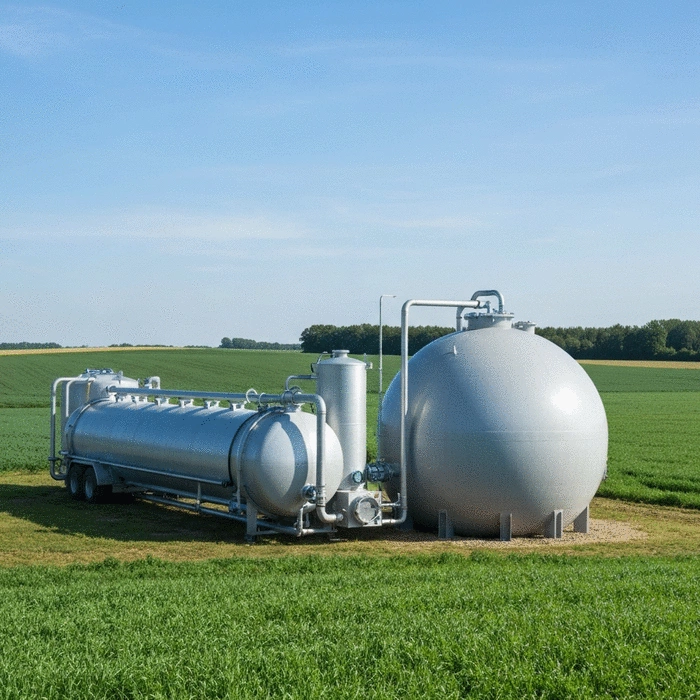
This visual highlights the key differences between plug-flow and complete mix digesters, alongside the overall benefits of anaerobic digestion for farm sustainability.
Best for high-solid content, linear flow, consistent retention time.
Suitable for varied organic materials, thorough mixing, flexible feedstock.
As we dive into the realm of biogas technology, it’s crucial to understand the fundamentals of anaerobic digesters. These systems play a vital role in converting organic waste into renewable energy. At Biogas Digester World, we’re passionate about helping you grasp how these systems work and their applications in farm waste management!
There are two primary types of anaerobic digesters: plug-flow and complete mix digesters. Each type has its own unique way of processing organic material, and understanding these differences can guide your decision-making when selecting the right system for your needs. For a more detailed comparison of different digester types, you can explore resources like the Livestock and Poultry Environmental Learning Community.
Plug-flow digesters operate by moving a continuous flow of organic waste through a long, narrow tank. This allows for a consistent retention time, making it suitable for high-solids materials. On the other hand, complete mix digesters utilize a more dynamic environment, where all contents are mixed thoroughly. This can enhance the breakdown of various types of waste, providing flexibility in feedstock. For a comprehensive overview of these systems and their operational characteristics, Ohio State University Extension offers valuable insights.
Knowing which type fits your farm’s waste profile can significantly impact your energy production and overall efficiency.
Anaerobic digestion plays a crucial role in managing farm waste by reducing the volume of organic materials while simultaneously generating biogas. This process helps farmers tackle waste disposal issues and turns potential environmental hazards into valuable energy resources.
By effectively utilizing anaerobic digesters, farmers can not only manage waste but also improve their sustainability practices and reduce costs associated with waste disposal.
The benefits of anaerobic digestion extend beyond waste management! Implementing a digester can enhance farm sustainability by providing a more reliable energy source and improving overall efficiency. Here are some key advantages:
By embracing anaerobic digestion, your farm can take significant strides toward sustainability while also enjoying financial benefits.
Biogas production is all about converting organic matter into usable energy, primarily through the generation of methane. This gas can then be used for heating, electricity production, or even as a vehicle fuel. The entire process starts with the anaerobic digestion of organic materials, followed by upgrading the biogas to enhance its quality. For an in-depth look at biogas systems and their economics, refer to resources such as publications from the University of Missouri Extension.
Understanding the biogas production process is key for any farmer looking to leverage organic waste as a sustainable energy source. With the right systems in place, you can transform your waste into a valuable asset!
When considering the installation of an anaerobic digester, remember to assess not just the initial costs, but also the potential for long-term energy savings and revenue from biogas production. Many farmers have reported substantial decreases in energy expenses and even additional income from selling excess energy back to the grid. This strategic investment can transform your waste management and energy practices for years to come!
Q1: What are the main types of anaerobic digesters discussed in the article?
A1: The article discusses two main types: plug-flow digesters, best for high-solid content and linear flow, and complete mix digesters, suitable for varied organic materials and offering thorough mixing.
Q2: How do anaerobic digesters contribute to farm waste management?
A2: Anaerobic digesters help manage farm waste by reducing the volume of organic materials, generating renewable energy (biogas), and producing nutrient-rich digestate for soil enhancement, thus addressing waste disposal issues and creating valuable resources.
Q3: What are the key financial benefits of implementing an anaerobic digester on a farm?
A3: Key financial benefits include energy cost savings by reducing reliance on fossil fuels, potential revenue generation from selling excess energy, and improved overall efficiency of farm operations.
Q4: How do anaerobic digesters impact the environment?
A4: Digesters significantly reduce greenhouse gas emissions (especially methane), decrease landfill waste, facilitate nutrient recovery for use as organic fertilizer, and promote sustainable farming practices by converting waste into renewable energy.
Q5: What is the primary output of biogas production, and how can it be used?
A5: The primary output of biogas production is methane. This gas can be used for heating, electricity generation, or as vehicle fuel. With upgrading technology, its methane content can exceed 95%, allowing it to be utilized on-site or injected into natural gas grids.
As we dive deeper into the world of anaerobic digesters, it's essential to capture the essence of what we've learned. Digesters, whether they're plug-flow or complete mix systems, serve as crucial tools for turning organic waste into valuable energy. By converting farm waste into biogas, these systems not only help manage waste but also promote sustainability on your farm.
Now, let’s summarize the key insights regarding digesters and how they can truly benefit your agricultural practices:
When it comes to selecting the right digester for your farm, it’s vital to consider both the benefits and the costs. There are upfront investments, maintenance expenses, and operational costs to account for. However, the long-term savings and advantages often outweigh these initial hurdles. Here’s what to think about:
By carefully weighing these factors, you can make an informed decision that aligns with your farm's sustainability goals and financial health.
In today’s world, understanding the environmental impact of your farm practices is more important than ever. Anaerobic digesters play a significant role in reducing a farm's carbon footprint and enhancing overall sustainability. Here are some points to keep in mind regarding their environmental benefits:
By incorporating digesters into your waste management strategy, you not only enhance farm productivity but also contribute to a healthier planet.
Are you ready to delve deeper into the world of biogas and anaerobic digestion? At Biogas Digester World, we offer a host of resources designed to empower farmers like you! Here are some valuable materials to explore:
Utilizing these resources will help you gain the knowledge and confidence to implement effective waste management solutions on your farm.
Now that you have a better understanding of anaerobic digesters and their significant benefits, it’s time to take action! Contact us at Biogas Digester World to get personalized advice based on your unique farm needs. Together, we can explore the best options for your waste management journey.
Don’t wait any longer! Embrace the opportunity to convert waste into a renewable energy source and contribute to a sustainable future. Reach out today and let’s get started!
Here is a quick recap of the important points discussed in the article: