Anaerobic Digestion Process Flow
Hydrolysis
→
Acidogenesis
→
Acetogenesis
→
Methanogenesis
This four-stage process converts organic waste into biogas and nutrient-rich digestate.
Subscribe to receive the latest insights on biogas technology and how to turn organic waste into sustainable energy.
Posted on: 2026-01-12
By: Liam Hargrove
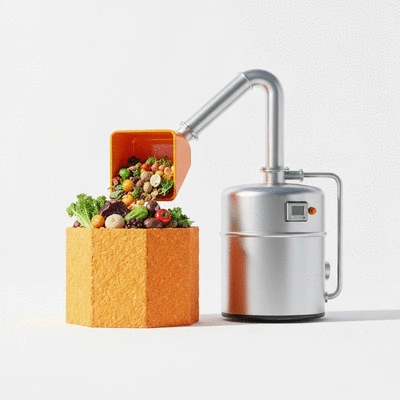
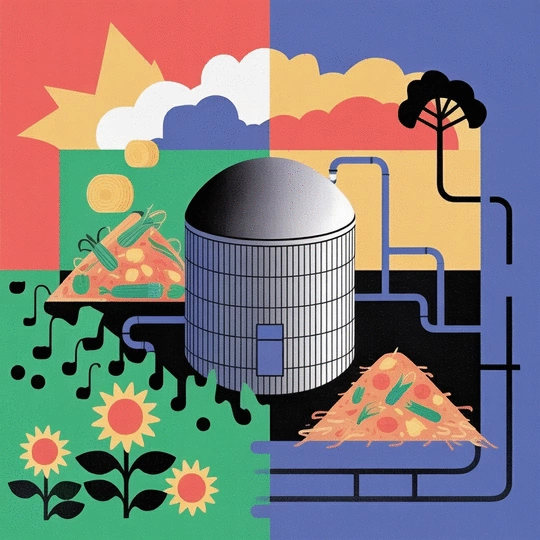
What if you could transform your kitchen scraps into a renewable energy source? The balloon bag digester makes this possible, providing an innovative solution for organic waste management. By harnessing the power of anaerobic digestion, these digesters turn waste into biogas, paving the way for a greener future.
Delve into the anaerobic digestion process and see how balloon bag digesters compare to aerobic methods for sustainable waste management.
This four-stage process converts organic waste into biogas and nutrient-rich digestate.
Have you ever wondered how to turn your kitchen scraps and yard waste into renewable energy? Enter the balloon bag digester, an innovative solution for organic waste management. These digesters are designed to harness the natural decomposition process of organic materials, transforming them into useful biogas. Not only do they help reduce waste, but they also contribute to a more sustainable future!
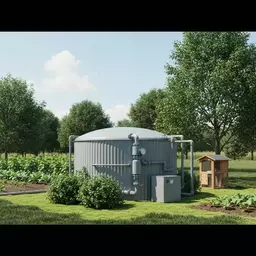
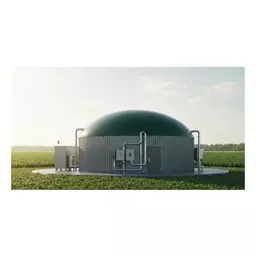
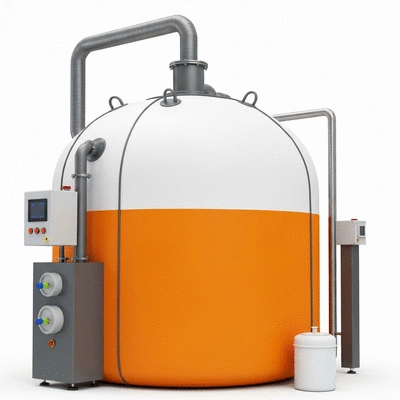
Balloon bag digesters are typically constructed from flexible polyethylene materials that can expand as they fill with organic waste. This design allows for easy installation in various settings, from residential backyards to small farms. By understanding how these systems work, you can take a step toward energy independence and sustainability!
A balloon bag digester is a type of anaerobic digestion system that utilizes large, flexible bags to break down organic materials. Unlike traditional digesters, these systems are relatively low-cost and can be set up quickly. The key component is the anaerobic bacteria that thrive in the absence of oxygen, breaking down the organic matter and producing methane gas in the process. While the environmental impact of certain balloon materials like latex balloons has been a subject of study, the "balloon bag" in this context refers to the flexible, bag-like structure of the digester, which is typically made from durable, non-biodegradable plastics designed for long-term use in anaerobic conditions.
This technology is especially beneficial for farmers and homeowners alike. By converting organic waste into biogas, balloon bag digesters can help reduce reliance on fossil fuels, paving the way for a greener lifestyle. How exciting is that?
Wondering how balloon digesters actually work? The process of anaerobic digestion involves several stages that efficiently convert organic waste into biogas and digestate. First, organic materials are placed inside the balloon bag, where they are broken down by anaerobic bacteria. As these bacteria consume the waste, they produce methane gas, which can be captured and used as a renewable energy source.
The end products of this process are biogas, which can be used for heating or electricity, and digestate, a nutrient-rich fertilizer that can enhance soil quality. By utilizing balloon bag digesters, we can effectively manage organic waste, turning it into resources that benefit both our homes and the environment. For more detailed information on the scientific aspects of methane production from organic waste, you can refer to studies on anaerobic digestion processes.
As we explore the world of waste management, it’s important to understand the difference between anaerobic and aerobic digestion. While both processes break down organic materials, they do so in different environments. Anaerobic digestion occurs without oxygen, while aerobic digestion requires it. This fundamental difference leads to various applications and outcomes.
Both methods have their own set of benefits, but if you're looking for a sustainable way to generate energy from waste, anaerobic digestion through balloon bag digesters might just be the answer. It's a smart choice for anyone wanting to make a positive impact on their environment while managing waste efficiently!
To maximize the efficiency of your balloon bag digester, consider layering your organic waste effectively. By mixing kitchen scraps with partially decomposed material, you can enhance the microbial activity within the digester, leading to higher biogas production. Regularly monitoring the moisture levels will also ensure optimal conditions for anaerobic digestion, allowing you to turn waste into energy more efficiently!
Understanding the true value of a balloon bag digester goes beyond just its initial installation. It’s essential to evaluate the total cost of ownership, which encompasses several factors that can significantly impact your investment in sustainability.
When considering the costs associated with a balloon digester, we should take into account:
By assessing these factors, you can make a more informed decision that aligns with your financial goals and sustainability efforts.
The total cost of ownership for a balloon bag digester is crucial for anyone considering this venture. The initial investment can seem significant, but the long-term savings often outweigh these costs. For example, many homeowners report significant reductions in their waste disposal fees after implementing a digester. It’s a bit like turning your trash into treasure!
To break it down, let’s consider:
With a solid understanding of these elements, you can better gauge whether a balloon digester fits your lifestyle and budget.
For those who prefer a ready-made solution, various commercial balloon digesters are on the market today. These systems can offer ease of installation and reliability, but they come at a premium. It’s vital to compare these options with DIY builds to see what best meets your needs.
When evaluating commercial options, consider:
Ultimately, whether you choose a commercial or DIY option will depend on your specific requirements and preferences. Either way, investing in a balloon bag digester is a step towards a more sustainable future.
One effective way to enhance your organic waste management is by integrating a compost bin with your balloon bag digester. This combination can maximize your waste reduction strategy, leading to more efficient biogas production and nutrient cycling.
Here are some tips for effectively using both systems:
By combining these methods, you can achieve a balanced approach to managing your organic waste, contributing to a more sustainable environment. For general guidance on minimizing waste and promoting sustainability, resources like local government sustainability initiatives often provide valuable tips.
A: A balloon bag digester is an anaerobic digestion system that uses flexible bags to break down organic waste without oxygen. This process converts the waste into biogas (primarily methane) and nutrient-rich digestate, offering a cost-effective and flexible solution for organic waste management.
A: The anaerobic digestion process involves four main stages: hydrolysis, acidogenesis, acetogenesis, and methanogenesis. During these stages, anaerobic bacteria break down complex organic materials into simpler compounds, eventually producing methane gas and carbon dioxide (biogas), along with a liquid fertilizer called digestate.
A: The primary benefits include converting organic waste into renewable energy (biogas) for heating or electricity, producing a nutrient-rich fertilizer (digestate) for soil enrichment, reducing waste disposal costs, and promoting environmental sustainability by decreasing reliance on fossil fuels.
A: Anaerobic digestion in balloon bag digesters occurs without oxygen and produces biogas and digestate, making it ideal for energy generation. Aerobic digestion, or composting, requires oxygen and primarily produces compost for soil enrichment, but no biogas. Both are valuable for waste management but serve different purposes.
A: When considering the total cost of ownership, you should factor in initial setup costs (materials, tools, labor), annual maintenance expenses, potential savings on waste disposal fees, and the payback period—the time it takes for your investment to be recouped through savings and benefits.
Here is a quick recap of the important points discussed in the article:
Final content section.