Efficient Manure Processing Options
Posted on: 2026-04-07
By: Liam Hargrove
What if you could turn your farm's organic waste into a sustainable energy source while simultaneously reducing your energy costs? By leveraging UASB and high-rate digesters, this is not just a dream—it’s a reality for many farmers today.
What You Will Learn
- UASB and high-rate digesters utilize anaerobic digestion to convert organic waste into biogas, providing a renewable energy source.
- The anaerobic digestion process includes hydrolysis, acidogenesis, and methanogenesis, each playing a critical role in biogas production.
- Integrating these technologies can significantly reduce waste, lower energy costs, and enhance agricultural sustainability.
- Financial incentives such as grants, loans, and tax credits can help offset the initial investment required for implementing digesters.
UASB and High-Rate Digesters: Process Flow and Benefits
Harnessing the power of anaerobic digestion for sustainable manure processing and biogas production.
Anaerobic Digestion Process Flow
Hydrolysis: Complex organic matter broken down.
Acidogenesis: Converted to fatty acids, H₂, CO₂.
Methanogenesis: Methane and CO₂ (Biogas) produced.
Key Benefits of Biogas Production
Energy Independence: Reduces reliance on fossil fuels.
Cost Savings: Lower energy costs, improved waste management.
Environmental Impact: Reduces waste, odors, and GHG emissions.
Cost-Benefit Analysis Considerations
Direct Costs: Installation, operational, permitting expenses.
Long-Term ROI: Reduced energy bills, potential revenue streams.
Financial Incentives: Grants, loans, tax credits available.
Digester Types and Features
UASB Digesters: Upward flow, anaerobic bacteria for methane.
High-Rate Digesters: Rapid processing, smaller footprint, more biogas.
Complementary: Enhance overall waste management efficiency.
Understanding UASB and High-Rate Digesters in Manure Processing
As a passionate advocate for renewable energy solutions, I often get asked about the role of UASB (Upflow Anaerobic Sludge Blanket) and high-rate digesters in manure processing. These technologies are transforming how we handle organic waste, especially in agricultural settings. They efficiently convert manure into valuable biogas, ultimately providing a sustainable energy source while managing waste effectively!
So, what exactly are these systems? In essence, UASB digesters utilize a unique mechanism where wastewater flows upward through a blanket of anaerobic microorganisms. This design allows for improved retention times, enabling the breakdown of organic matter at a faster rate than traditional methods!
What Are UASB and High-Rate Digesters?
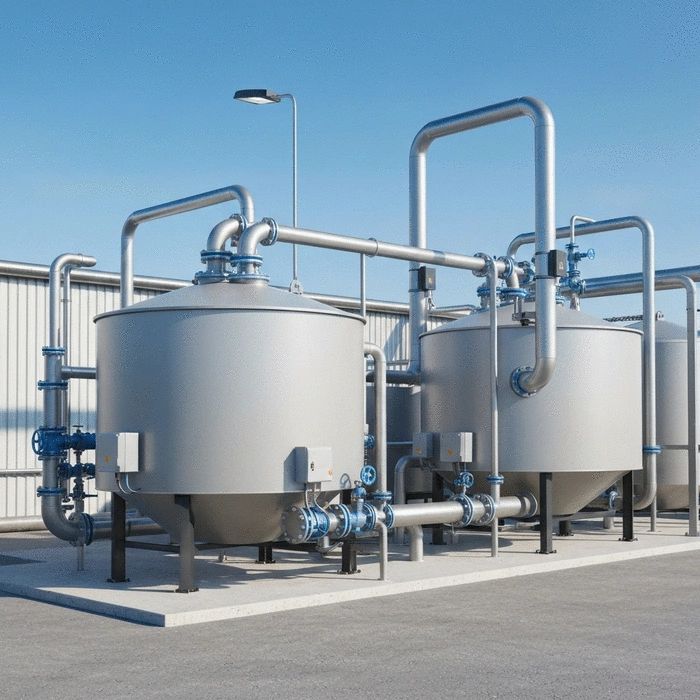
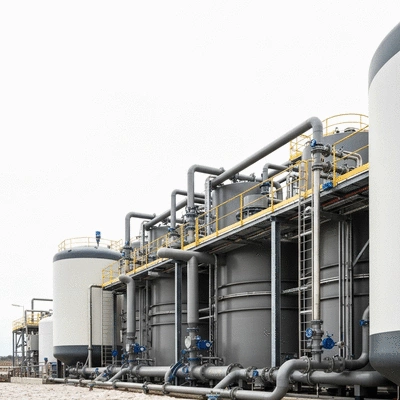
UASB and high-rate digesters are innovative technologies designed for the anaerobic digestion of organic waste, particularly manure. These systems are crucial for efficient manure processing since they maximize biogas production by harnessing the natural decomposition processes of microorganisms.
- UASB Digesters: These systems promote the growth of anaerobic bacteria, which thrive in the absence of oxygen. As waste is processed, they convert organic materials into methane gas.
- High-Rate Digesters: These designs are optimized for rapid processing, requiring a smaller footprint while producing larger quantities of biogas in a shorter time span.
- Complementary Technologies: Often used alongside other waste management practices, these digesters enhance overall efficiency and sustainability in farming operations.
By integrating UASB and high-rate digesters, farmers can greatly improve their waste management systems. Imagine turning your manure into energy right on your farm! It’s a win-win scenario that significantly reduces waste while providing a renewable energy source.
How Anaerobic Digestion Works
Anaerobic digestion is a natural process that converts organic materials into biogas through the action of microorganisms. This process occurs in an oxygen-free environment and is critical in waste management as it helps mitigate the environmental impact of manure disposal.
The stages of anaerobic digestion can be broken down into three main phases:
- Hydrolysis: Complex organic matter is broken down into simpler compounds.
- Acidogenesis: These simpler compounds are further converted into volatile fatty acids, hydrogen, and carbon dioxide.
- Methanogenesis: Finally, methanogenic bacteria convert these products into methane and carbon dioxide, resulting in biogas!
This multi-step process not only produces energy but also stabilizes manure, reducing odors and pathogens. As I’ve seen in many case studies, integrating anaerobic digestion into farms can lead to both environmental and economic benefits.
The Role of Biogas Production in Sustainable Agriculture
Biogas production is a vital component of sustainable agriculture, offering farmers a chance to harness energy from waste. By utilizing UASB and high-rate digesters, farmers contribute to renewable energy initiatives while enhancing their operations. The benefits are numerous!
- Energy Independence: Generating your own energy from organic waste reduces reliance on fossil fuels.
- Cost Savings: With lower energy costs, farmers can allocate funds to other critical areas of their business.
- Environmental Impact: By reducing waste and greenhouse gas emissions, farmers play a crucial role in preserving the environment.
Embracing biogas production can lead to a more sustainable future for agriculture. As we at Biogas Digester World delve deeper into these technologies, I'm excited to share the transformative potential they hold for our farming communities!
Pro Tip
Did you know? Integrating UASB and high-rate digesters not only improves waste management but can also enhance soil health! The nutrient-rich digestate produced can be used as an organic fertilizer, returning valuable nutrients back to the soil and promoting sustainable farming practices.
Evaluating the Cost-Benefit of UASB and High-Rate Digesters
When considering the implementation of UASB and high-rate digesters, it’s crucial to perform a thorough cost-benefit analysis. Understanding the direct costs associated with these systems can help farmers make informed decisions that align with their operational goals. This section dives into the nitty-gritty of costs, projected returns, and financial incentives tailored for farmers.
Direct Cost Analysis for Farm Operations
The initial investment in UASB and high-rate digesters includes several key components. Farmers need to account for:
- Installation costs, which can vary based on the size and complexity of the system.
- Operational costs, including energy usage and maintenance expenses.
- Permitting and compliance costs, which are often essential to adhere to local regulations.
By evaluating these costs upfront, you can better understand the financial commitment involved. Have you considered how these digesters might not only reduce waste but also generate energy? The long-term operational savings can sometimes offset the initial expenses! Always remember to factor in the potential for increased efficiency in waste management.
Long-Term Benefits: ROI Expectations
One of the most significant advantages of integrating UASB and high-rate digesters is their potential for a strong return on investment (ROI). Here are some long-term benefits to consider:
- Reduced energy costs, as you produce your own biogas for heating or electricity.
- Improved manure management, leading to lower disposal costs.
- Potential revenue from selling excess energy back to the grid or through energy credits.
These aspects can drastically impact dairy and livestock operations over time. Many farmers have reported that their systems paid for themselves within a few years! As a passionate advocate for renewable energy solutions, I can assure you that the long-term advantages far outweigh initial costs when properly implemented.
Financial Incentives for Implementing Digesters
Farmers exploring the adoption of anaerobic digestion technology can often find financial support options to ease the burden of upfront costs. Some potential incentives include:
- Government grants and subsidies aimed at promoting renewable energy.
- Low-interest loans specifically for green technology adoption.
- Tax credits for investments in renewable energy systems.
Utilizing these financial incentives can significantly enhance the feasibility of investing in UASB and high-rate digesters. I recommend reaching out to local agricultural extension offices or sustainability organizations for guidance on available programs. With the right support, transitioning to biogas technology can be both economically viable and environmentally responsible.
Frequently Asked Questions About UASB and High-Rate Digesters
Here are some common questions about UASB and high-rate digesters and their role in sustainable agriculture:
- Q: What is the primary purpose of UASB and high-rate digesters?
- A: Their primary purpose is to convert organic waste, particularly manure, into biogas through anaerobic digestion, providing a sustainable energy source and improving waste management.
- Q: How does anaerobic digestion produce biogas?
- A: Anaerobic digestion involves three main stages: hydrolysis (breaking down complex matter), acidogenesis (converting to fatty acids, H₂, CO₂), and methanogenesis (producing methane and CO₂ to form biogas).
- Q: What are the key benefits of using these digesters on a farm?
- A: Key benefits include energy independence, significant cost savings through reduced energy bills and improved waste management, and positive environmental impact by reducing waste, odors, and greenhouse gas emissions.
- Q: Are there financial incentives available for farmers to install these digesters?
- A: Yes, farmers can often access government grants, low-interest loans for green technology, and tax credits to help offset the initial investment costs.
- Q: How do UASB digesters differ from high-rate digesters?
- A: UASB digesters use an upward flow system with anaerobic bacteria to break down organic matter, while high-rate digesters are optimized for rapid processing, requiring a smaller footprint and producing more biogas in a shorter time.
Recap of Key Points
Here is a quick recap of the important points discussed in the article:
- UASB and high-rate digesters are key technologies for efficient manure processing, maximizing biogas production.
- The anaerobic digestion process consists of hydrolysis, acidogenesis, and methanogenesis, converting organic matter into biogas.
- Biogas production enhances energy independence, reduces costs, and lowers environmental impact for farmers.
- Conducting a thorough cost-benefit analysis is crucial before implementing digesters to understand long-term savings and potential ROI.
- Financial incentives such as grants and loans can support farmers in adopting biogas technology.
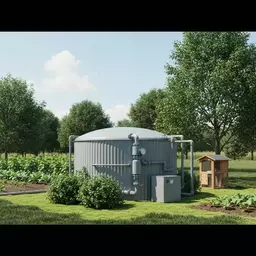 What if you could turn your kitchen scraps and farm waste into a source of energy? Biogas systems of
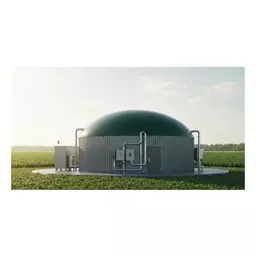 As we approach 2025, the discussion around sustainable energy is gaining momentum. One crucial aspec
 What if your school's cafeteria waste could be transformed into energy? The revolutionary School Bio