As a farmer exploring renewable energy options, have you ever considered the transformative power of a biogas digester? Picture this: instead of paying hefty energy bills, you’re producing your own energy right from the waste that would otherwise go to a landfill, or be spread directly on fields with a higher risk of nutrient runoff causing river pollution. Let's uncover the advantages of biogas digesters and empower you to make informed, sustainable choices for your future.
What You Will Learn
Fixed-dome biogas digesters efficiently convert organic waste into valuable biogas, benefiting both your farm and the environment.
These digesters require minimal maintenance once established, allowing you to focus on your farming activities.
They must, however, be fed regularly, daily or more often and work time must be dedicated to this.
Biogas production helps manage organic waste, reduces energy costs, and produces nutrient-rich fertilizer.
Understanding anaerobic digestion is crucial for maximizing biogas output and optimizing your digester's performance.
Investing in a biogas digester can lead to long-term energy independence while supporting sustainable farming practices.
Fixed-Dome Biogas Digesters: Benefits vs. Challenges & Planning Roadmap
This visual summarizes the key aspects of fixed-dome biogas digesters, including their advantages, potential drawbacks, and a step-by-step installation plan.
Key Benefits of Fixed-Dome Digesters
✓
Waste Reduction
✓
Energy Savings
✓
Fertilizer Production
✓
Durable Structure
Pros of Fixed-Dome Digesters
✔Cost-effectiveness (lower operational costs)
✔Longevity (built for durability)
✔Energy Independence
Cons of Fixed-Dome Digesters
✖Regular Maintenance Needs
✖Initial Investment (upfront costs)
Biogas Digester Installation Roadmap
1
Assess Feedstock
2
Consult Experts
3
Design System
4
Budgeting
5
Implement Installation
Understanding Fixed-Dome Biogas Digesters: What You Need to Know
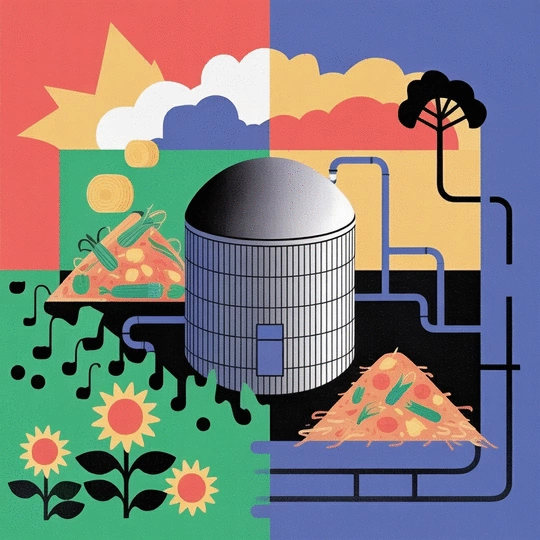
As a farmer eager to explore renewable energy options, understanding fixed-dome biogas digesters is crucial. These systems are specifically designed to harness the power of organic waste, transforming it into valuable biogas. By utilizing a fixed-dome model, you can efficiently convert your farm's manure and other organic materials into energy, ultimately benefiting both your farm and the environment.
At Biogas Digester World, we aim to provide you with the knowledge you need to make informed decisions. Let’s dive into the essentials of fixed-dome digesters, their purpose, and how they can revolutionize small farming.
Defining Fixed-Dome Biogas Digesters in Small Farming
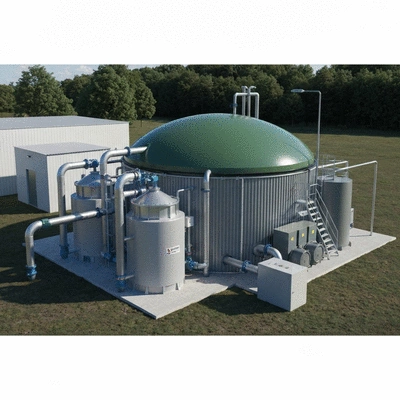
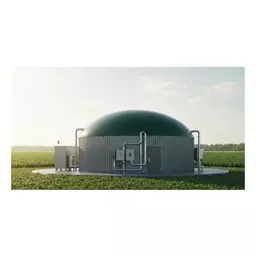
Fixed-dome biogas digesters are a popular choice among small-scale farmers. These domed structures stand out because they maintain consistent pressure, which is vital in the production of biogas. The design is simple yet effective, making it easy for farmers to implement.
Durable structure: Built to last, fixed-dome digesters are constructed from materials that can withstand various weather conditions.
Ease of use: Once established, these systems require minimal intervention, allowing you to focus on your farming operations.
Efficient gas production: The design promotes optimal anaerobic digestion, ensuring maximum biogas output.
Incorporating a fixed-dome biogas digester into your farm not only enhances waste management but also plays a significant role in sustainable farming practices. It’s a step toward energy independence and environmental stewardship! For more detailed insights into various biodigester programs and their impact, you can refer to resources like The Power of Dung: Lessons Learned from On-Farm Biodigester Programs in Africa.
Purpose and Benefits of Biogas Production for Small Farms
Biogas production serves multiple purposes for small farms. It helps manage organic waste, reduces reliance on non-renewable energy sources, and provides a reliable source of energy for heating or electricity. Here are some of the key benefits:
Waste reduction: By converting waste into biogas, you minimize landfill contributions and promote a cleaner environment.
Energy savings: Generating your own biogas can significantly lower your energy costs, giving you more financial flexibility.
Fertilizer production: The byproduct of the digestion process, digestate, serves as a nutrient-rich fertilizer, returning valuable nutrients to your soil.
The advantages extend beyond just immediate benefits; they pave the way for long-term sustainability and resilience against rising energy costs. Further information on small-scale biogas systems can be found in publications such as Small-scale Biogas Systems: A Review of Technology and Applications.
Exploring the Role of Anaerobic Digestion in Biogas Production
Anaerobic digestion is the heart of biogas production, especially in fixed-dome systems. This natural process occurs when microorganisms break down organic material without the presence of oxygen. Understanding this process is key to optimizing your digester's performance!
Microbial communities: The right mix of bacteria is essential for effective digestion. They convert organic matter into biogas, primarily methane and carbon dioxide.
Temperature control: Maintaining optimal temperatures (between 30°C to 55°C) ensures the microorganisms thrive, enhancing gas production.
Feedstock selection: Using a variety of organic materials, such as manure, crop residues, and food waste, can improve digestion efficiency.
By mastering anaerobic digestion, you can maximize biogas output and ensure your fixed-dome system runs smoothly. This knowledge empowers you to make the most of your biogas digester! For more technical details on this process, consider exploring resources like Small-scale Anaerobic Digestion from the IEA Bioenergy program.
Pro Tip
Did you know? Regularly monitoring the microbial health within your fixed-dome biogas digester can significantly enhance its efficiency. By maintaining a balanced mix of feedstock and ensuring optimal temperature control, you can maximize biogas production and improve the overall performance of your system. Consider conducting periodic checks to assess the digestion process and make adjustments as necessary!
Frequently Asked Questions About Fixed-Dome Biogas Digesters
What is a fixed-dome biogas digester?
A fixed-dome biogas digester is a system designed to convert organic waste into biogas through anaerobic digestion. It features a stationary, dome-shaped structure that maintains consistent pressure for efficient gas production.
What are the main benefits of using a fixed-dome biogas digester on a small farm?
Key benefits include waste reduction, significant energy savings by producing your own fuel, and the creation of nutrient-rich digestate that can be used as fertilizer, contributing to sustainable farming practices.
How does anaerobic digestion work in a biogas digester?
Anaerobic digestion is a natural process where microorganisms break down organic materials (like manure or crop residues) in the absence of oxygen. This process produces biogas, primarily methane and carbon dioxide, which can be used as energy.
What factors are crucial for optimizing biogas production?
Optimizing biogas production depends on several factors: maintaining the right microbial communities, controlling the temperature (ideally between 30°C and 55°C), and selecting diverse organic feedstock to improve digestion efficiency.
What should I consider before installing a fixed-dome biogas digester?
Before installation, assess the quantity and type of organic waste you can supply (feedstock), consult with biogas experts, design a system tailored to your farm, plan your budget, and then proceed with the implementation.
Conclusion: Is a Fixed-Dome Biogas Digester Right for Your Farm?
As we wrap up our exploration of fixed-dome biogas digesters, it’s essential to reflect on whether this technology aligns with your farming goals. A fixed-dome biogas digester could be a transformative asset, but it’s crucial to weigh the benefits against the challenges. Let’s break down the most important factors to consider before making your decision.
Weighing the Pros and Cons
As with any investment in renewable energy, understanding the pros and cons is vital. Here are the key points to keep in mind:
Cost-effectiveness: Fixed-dome digesters often have lower operational costs compared to other systems.
Longevity: These digesters are designed for durability, providing long-term benefits.
Energy Independence: By harnessing your organic waste, you reduce reliance on external energy sources.
Maintenance Needs: Regular monitoring and maintenance are required to ensure optimal performance.
Initial Investment: The upfront costs can be a barrier, depending on your budget and financing options.
Ultimately, the decision hinges on your specific circumstances, farm size, and available resources. Reflecting on these factors will guide you toward the right choice for your unique needs!
Next Steps: Planning Your Biogas Digester Installation
If you’re convinced that a fixed-dome biogas digester could benefit your farm, the next step is planning your installation. Here’s a simple roadmap:
Assess Your Feedstock: Determine the quantity and type of organic waste you can supply.
Consult with Experts: Engage with local biogas experts or organizations like Biogas Digester World for insights and advice.
Design Your System: Tailor your digester design to fit your specific needs and farm layout.
Budgeting: Factor in all costs, including materials, labor, and any ongoing maintenance.
Implement the Installation: Set a timeline and begin the installation process!
Taking these steps will help ensure a smooth journey from concept to execution. Remember, I’m here to support you through this process, offering resources and guidance every step of the way!
Additional Resources and Community Support
Where to Find More Information and Guidance on Biogas Technology
As you explore the world of biogas, the right resources can make all the difference. Here are some valuable places to find information and guidance:
Biogas Digester World’s educational platform – filled with guides and case studies.
Local agricultural extension services that offer advice on renewable energy solutions.
Online forums and communities focused on biogas technology and sustainable farming practices.
Utilizing these resources will empower you to make informed decisions and enhance your understanding of biogas systems.
Sharing Experiences: Join the Biogas Farmer Community
Connecting with fellow farmers can provide a wealth of knowledge and support. Consider joining a community dedicated to biogas technology. Here’s how you can get involved:
Participate in local workshops or seminars focused on renewable energy.
Engage in online groups where farmers share their biogas experiences and insights.
Attend agricultural trade shows that feature biogas technology and innovations.
By sharing experiences, you’ll not only learn from others but also contribute to a vibrant community focused on sustainability.
Engaging in Community Biogas Projects and Rural Development
Lastly, consider participating in community biogas projects. These initiatives can foster rural development while promoting sustainable practices. Here are some ways to engage:
Collaborate with local NGOs or community groups interested in renewable energy.
Volunteer for pilot projects that demonstrate the benefits of biogas systems.
Advocate for policies that support biogas development and sustainability in agriculture.
Engaging in these activities can amplify your impact, creating a ripple effect of sustainability in your community!
Recap of Key Points
Here is a quick recap of the important points discussed in the article:
Understanding Fixed-Dome Digesters: These systems efficiently convert organic waste into biogas, aiding both energy needs and environmental sustainability.
Benefits for Small Farms: Fixed-dome digesters help in waste reduction, energy savings, and produce nutrient-rich fertilizers.
Anaerobic Digestion: The process relies on microbial communities to break down organic materials, emphasizing the importance of temperature control and feedstock selection.
Weighing Pros and Cons: Consider cost-effectiveness, longevity, and maintenance needs before investing in a biogas digester.
Planning Installation: Proper assessment of feedstock, expert consultation, and budgeting are crucial steps for successful implementation.
Your go-to resource for mastering renewable energy solutions through biogas technology. We help farmers, homeowners, and sustainability professionals with expert guidance and practical insights to harness organic waste for energy independence.
Trusted by individuals and organizations committed to sustainability, our mission is to provide reliable, easy-to-follow insights backed by expert knowledge in biogas applications.