Understanding Floating Drum Biogas Systems
Posted on: 2026-01-01
By: Liam Hargrove
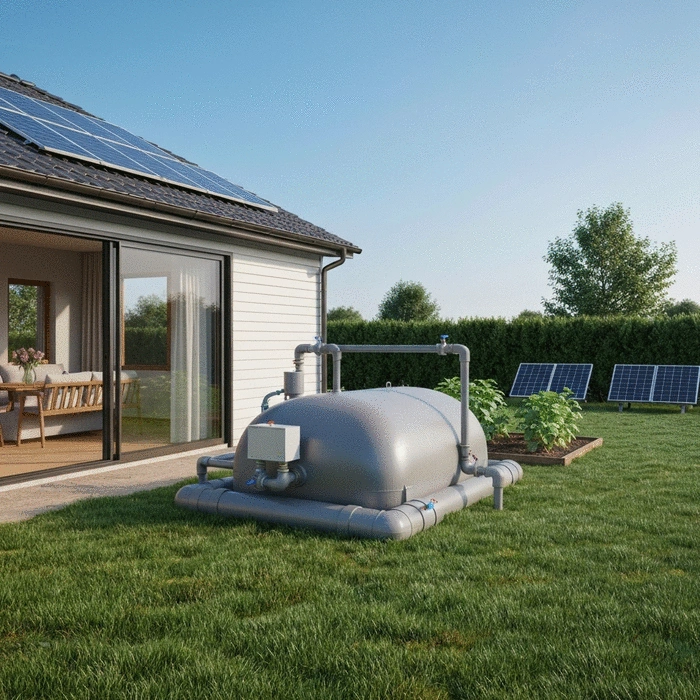
Are you ready to transform organic waste into a sustainable energy source? Floating drum biogas systems offer a remarkable solution that not only reduces waste but also empowers homeowners to achieve energy independence.
What You Will Learn
- Understanding the key components of floating drum biogas systems: gas holder, digestion chamber, and fermentation slurry.
- The mechanics of how these systems work, including gas pressure regulation and temperature control.
- The cost of installation and potential return on investment, detailing savings on energy bills.
- Important safety regulations and environmental compliance factors to consider when installing a biogas system.
- Available government incentives that can help offset the costs of installation.
- Real-world homeowner experiences, including successes and challenges faced during the installation process.
- The benefits of integrating biogas systems with other renewable technologies like solar energy.
- Innovative advancements in biogas technology aimed at improving efficiency and accessibility.
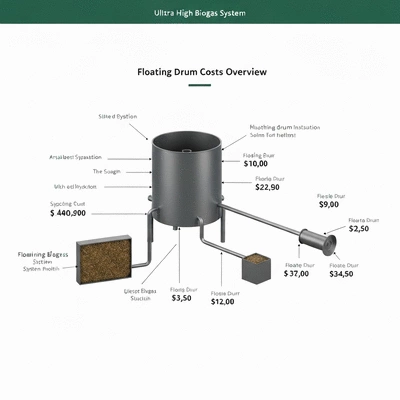
Floating Drum Biogas System: Investment & Returns
This visual outlines the installation costs, potential savings, and available incentives for floating drum biogas systems.
Installation Costs
The total cost for a floating drum biogas system generally ranges from $1,500 to $10,000. This includes:
- Materials: $1,000 - $5,000
- Labor: $500 - $3,000
- Permits & Fees: $100 - $500
Return on Investment (ROI)
Homeowners can achieve significant energy bill savings, typically 30-50% annually.
Recoup initial investment in as little as 2-5 years!
(Dependent on energy usage & local costs)
Government Incentives
Various incentives can reduce financial burden significantly:
- Tax Credits: Up to 30% of system cost
- Grants & Rebates: Local & federal programs
- Low-Interest Loans: For renewable energy projects
Safety & Compliance
Essential adherence to regulations for a safe and legal installation:
- Local Permits: Zoning & environmental standards
- Safety Standards: Prevent leaks, ensure longevity
- Environmental Regulations: Waste disposal & emissions
Understanding Floating Drum Biogas Systems: A Comprehensive Overview
Floating drum biogas systems are fascinating and practical solutions for turning organic waste into renewable energy. At Biogas Digester World, we aim to demystify these systems and explain how they function, focusing on their key components. A floating drum biogas system consists of a digestion chamber where organic waste is broken down, a gas holder (the floating drum) that collects the produced biogas, and a fermentation slurry that aids in the digestion process. Together, these elements work seamlessly to create a sustainable energy source from waste!
To put it simply, the digestion chamber is where the magic happens. Organic materials like food scraps or animal manure are fed into this chamber, where anaerobic bacteria break them down without oxygen, producing methane gas. The floating drum rises and falls with the volume of gas produced, and this dynamic movement is crucial for maintaining the system's efficiency. Curious to learn more? Let's dive deeper into how these systems operate!
What is a Floating Drum Biogas System?
A floating drum biogas system is a type of anaerobic digester that utilizes a movable gas holder to manage the collection of biogas. Here’s a quick breakdown of its main components:
- Gas Holder: The floating drum captures and stores biogas as it is produced.
- Digestion Chamber: This is where the organic waste is broken down, generating biogas.
- Fermentation Slurry: A mixture of the organic waste and water that helps create an optimal environment for bacteria to thrive.
These components work together to ensure a consistent supply of energy while also minimizing the impact on the environment. By understanding the structure and function of floating drum biogas systems, you can appreciate their role in promoting sustainable energy practices.
How Floating Drum Biogas Works: The Mechanics Behind the System
Understanding the mechanics of floating drum biogas systems is essential for effective operation. The system relies on gas pressure regulation to ensure that gas is captured efficiently. As organic matter decomposes, gas builds up in the chamber, causing the drum to rise. This movement not only indicates gas production but also helps maintain the pressure needed for effective gas flow to your appliances.
Another vital feature is the water jacket surrounding the digestion chamber. This jacket helps regulate the temperature within the system, keeping it warm enough for the bacteria to thrive. Without this temperature control, the efficiency of gas production could suffer. Regular monitoring of the system's performance ensures that everything runs smoothly and efficiently.
The Role of Anaerobic Digestion in Floating Drum Biogas Systems
Anaerobic digestion is the heart of floating drum biogas systems. It’s a biological process where microorganisms break down organic materials in the absence of oxygen, producing biogas primarily composed of methane. This process is not only efficient but also beneficial for waste management as it reduces the volume of organic waste. Research published in PMC NCBI highlights various advancements in anaerobic digestion, showcasing its growing importance in sustainable waste management and energy production.
Through anaerobic digestion, homeowners can convert their kitchen scraps and yard waste into usable energy! This energy can be harnessed for cooking, heating, or even generating electricity, paving the way for a more sustainable lifestyle. By understanding the role of anaerobic digestion, you can see why floating drum biogas systems are such an important innovation for energy independence. Further insights into the efficiency of these processes can be found in studies like those published in Wiley Online Library's Energy Science & Engineering.
Interactive Poll: Your Thoughts on Biogas Systems
As you consider the advantages of floating drum biogas systems, we’d love to hear your thoughts! What aspect of biogas systems do you find most appealing? Choose one of the options below:
Evaluating the Cost: Investment and Expected Returns
Understanding Installation Costs and ROI
When considering a floating drum biogas system, one of the first things homeowners need to look at is the installation cost. This cost can vary based on system size, location, and the complexity of the setup. Typically, homeowners can expect costs to range from $1,500 to $10,000. It’s essential to break this down:
- Materials: Estimated between $1,000 and $5,000 depending on local availability.
- Labor: Hiring professionals can add $500 to $3,000 to your total cost.
- Permits and Fees: Budget for $100 to $500 for any required permits.
Now, let’s talk about the return on investment (ROI). Homeowners can see significant savings on energy bills, often amounting to 30-50% savings annually. Over time, these savings can allow homeowners to recoup their initial investment in as little as 2-5 years, depending on energy usage and local energy costs. This makes the floating drum biogas system a financially sound choice for many!
Safety Regulations and Environmental Compliance
It's vital to understand the safety regulations and environmental compliance aspects when installing a biogas system. Homeowners must be aware of:
- Local Permits: Most regions require permits for installation to ensure compliance with zoning and environmental standards.
- Safety Standards: Adhering to safety protocols helps prevent leaks and ensures the longevity of the system.
- Environmental Regulations: Familiarize yourself with local laws regarding waste disposal and emissions to ensure your biogas system operates within legal limits.
By understanding these requirements, you can avoid potential pitfalls and ensure a safe, compliant installation process. This proactive approach not only protects your investment but contributes to a cleaner environment!
Government Incentives for Biogas System Installation
Did you know that there are various government incentives available to help homeowners offset the costs of installing biogas systems? These can significantly reduce your financial burden:
- Tax Credits: Many regions offer tax credits for renewable energy investments, which can be worth up to 30% of the system's cost.
- Grants and Rebates: Local and federal programs often provide grants or rebates for energy efficiency upgrades.
- Low-Interest Loans: Some programs offer low-interest loans specifically for renewable energy projects, making it easier to manage upfront costs.
By taking advantage of these incentives, homeowners can make the transition to renewable energy much more affordable. It's worth the time to research what programs are available in your area—this could enhance your savings even further!
Real-World Case Studies: Homeowners' Experiences
Success Stories of Floating Drum Biogas in Residential Settings
Let's dive into some real-world examples to see how floating drum biogas systems are making a difference for homeowners. For instance, one homeowner in rural Ohio installed a floating drum system and reported:
- A 50% reduction in monthly energy costs.
- Less waste going to the landfill, with organic materials being converted into valuable energy.
- Enhanced sustainability on their farm, contributing positively to the environment.
These success stories not only inspire others but also showcase the practical benefits of biogas systems in everyday life. It’s always encouraging to see individuals taking charge of their energy needs!
Lessons Learned from Homeowner Installations
While the successes are encouraging, it’s also important to learn from the challenges some homeowners face. Common challenges include:
- Initial Setup Complexity: Some found the installation process more complex than expected, emphasizing the need for thorough planning.
- Maintenance Commitment: Regular maintenance is necessary to keep the system running smoothly, which some underestimated.
- Understanding Local Regulations: A few homeowners encountered hurdles with local regulations which delayed their installations.
By sharing these lessons, we can better prepare future homeowners for their biogas journey. It’s essential to gather all the necessary information and possibly consult with experts before making the leap!
Integrating Floating Drum Biogas Systems with Other Renewable Technologies
Pairing with Solar and Other Sustainable Practices
Imagine the benefits of integrating your floating drum biogas system with solar energy! Combining these technologies can enhance your energy independence and efficiency:
- Increased Energy Output: Use excess solar energy to power your biogas digester.
- Reduced Carbon Footprint: Together, they contribute to significant emission reductions.
- Cost-Effective Solutions: The synergy between solar and biogas can lead to lower overall energy costs.
By pairing these technologies, homeowners not only maximize their energy production but also embrace a more sustainable lifestyle. It’s a win-win for both the wallet and the environment!
Future of Sustainable Home Energy Solutions
The future of sustainable home energy solutions looks bright with floating drum biogas systems leading the charge! As technology evolves, homeowners can expect even greater efficiency and affordability:
- Innovative Designs: New designs are being developed for easier installation and maintenance.
- Improved Energy Recovery: Advances in biogas recovery techniques are on the horizon, promising higher energy yields.
- Wider Adoption: Increased awareness and advocacy are leading to more widespread adoption of biogas systems.
It’s an exciting time to be part of the renewable energy movement, and I encourage everyone to consider how these systems can fit into their lives!
Innovations in Biogas Technology for Improved Efficiency
Lastly, let’s take a moment to look at innovations in biogas technology that enhance efficiency. Some noteworthy advancements include:
- Enhanced Digestion Processes: New microbial strains are being developed to accelerate the digestion of organic materials.
- Smart Monitoring Systems: IoT technology allows for real-time monitoring of biogas production and system health.
- Modular Designs: Modular systems provide flexibility for homeowners to scale their biogas production based on needs.
These innovations not only promise to improve the efficiency of floating drum biogas systems but also make them more accessible for homeowners. The Current State of Biogas Technologies report offers a comprehensive overview of such developments. I’m thrilled to see how these advancements will change the way we harness renewable energy!
Final Thoughts: Is a Floating Drum Biogas System Right for You?
Assessing Your Needs and Options
As you consider investing in a floating drum biogas system, take the time to assess your specific circumstances. Ask yourself:
- What is my current energy consumption?
- Do I have access to the right materials and space for installation?
- What are my goals in terms of sustainability and energy independence?
This thoughtful evaluation will help ensure that your investment aligns with your personal and environmental goals!
Call to Action: Start Your Biogas Journey Today
Are you ready to take the next step? I invite you to explore more about floating drum biogas systems. Connect with local experts or dive deeper into planning your installation. Together, we can pave the way towards a sustainable energy future!
Frequently Asked Questions About Floating Drum Biogas Systems
Here are some common questions to help you better understand floating drum biogas systems:
- What are the main components of a floating drum biogas system?
A floating drum biogas system typically consists of a digestion chamber, a gas holder (the floating drum), and a fermentation slurry. The digestion chamber breaks down organic waste, the gas holder collects the biogas produced, and the fermentation slurry creates the optimal environment for bacterial activity. - How does a floating drum biogas system produce energy?
The system uses anaerobic digestion, a biological process where microorganisms break down organic materials (like food scraps and animal manure) in the absence of oxygen. This process generates biogas, primarily methane, which can be used for cooking, heating, or electricity generation. - What is the typical cost of installing a floating drum biogas system?
Installation costs generally range from $1,500 to $10,000, depending on the system size, location, and complexity. This includes costs for materials, labor, and permits. - What kind of return on investment (ROI) can I expect?
Homeowners can achieve significant energy bill savings, often 30-50% annually, allowing them to recoup their initial investment in as little as 2-5 years, depending on energy usage and local energy costs. - Are there any safety regulations or environmental compliance issues to consider?
Yes, it's crucial to adhere to local permits for zoning and environmental standards, follow safety protocols to prevent leaks, and comply with environmental regulations regarding waste disposal and emissions. - Are government incentives available for installing these systems?
Many regions offer government incentives such as tax credits (up to 30% of the system cost), grants, rebates, and low-interest loans for renewable energy projects, which can significantly reduce the financial burden. - Can floating drum biogas systems be integrated with other renewable technologies?
Absolutely! Integrating biogas systems with technologies like solar energy can enhance energy independence, increase overall energy output, reduce carbon footprints, and lead to more cost-effective sustainable solutions.
Recap of Key Points
Here is a quick recap of the important points discussed in the article:
- A floating drum biogas system consists of a digestion chamber, a gas holder, and a fermentation slurry for converting organic waste into renewable energy.
- Anaerobic digestion is the key process that produces methane gas from organic materials in an oxygen-free environment.
- Installation costs for these systems can range from $1,500 to $10,000, with potential energy savings of 30-50% annually.
- Safety regulations and environmental compliance are crucial for installation, including obtaining local permits and adhering to safety standards.
- Government incentives such as tax credits and grants can help offset the costs of biogas system installation.
- Integrating biogas systems with solar energy can enhance sustainability and reduce overall energy costs.
 What if you could turn your kitchen scraps and farm waste into a source of energy? Biogas systems of
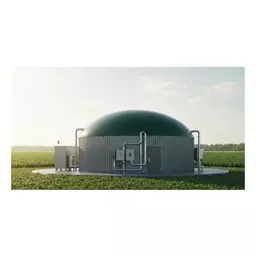 As we approach 2025, the discussion around sustainable energy is gaining momentum. One crucial aspec
 What if your school's cafeteria waste could be transformed into energy? The revolutionary School Bio