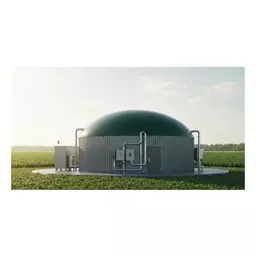
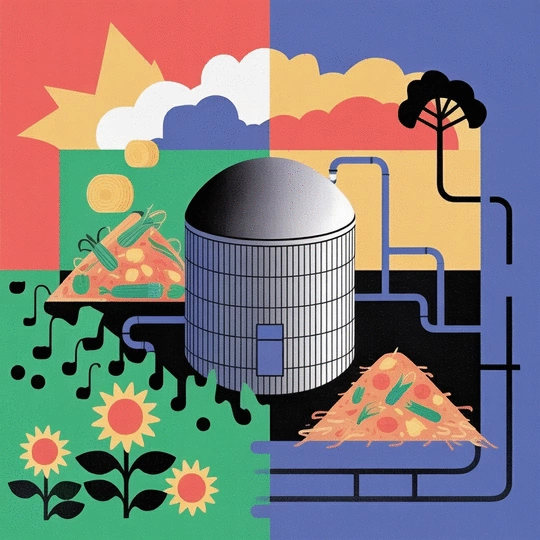
As the demand for renewable energy solutions grows, understanding anaerobic digestion can transform how we manage organic waste. This process not only produces clean energy but also reduces landfill waste, creating a sustainable future for agriculture. What are the key insights you need to make informed decisions about wet and dry anaerobic digestion systems?
What You Will Learn
Anaerobic digestion converts organic waste into renewable energy, primarily biogas, and creates nutrient-rich digestate.
Wet systems are suitable for liquid-rich feedstocks, while dry systems are designed for solid waste, impacting efficiency and operational complexity.
A balanced microbial community is crucial for optimal biogas production, influenced by temperature and pH levels.
Key decision factors include water availability, feedstock characteristics, and budget constraints when choosing between wet and dry systems.
Wet vs. Dry Anaerobic Fermentation Systems
Delve into the core distinctions between wet and dry anaerobic digestion systems, crucial for optimizing organic waste conversion into energy.
Wet Systems: Characteristics & Efficiency
Moisture Content: Higher; ideal for liquid-rich feedstocks.
Digestion Rate: Often faster.
Methane Yield: Usually higher due to higher feedstock moisture.
Operational Complexity: May necessitate more sophisticated controls.
Best for High Moisture Content
Dry Systems: Characteristics & Efficiency
Moisture Content: Lower; better for solid feedstocks.
Retention Times: Typically longer.
Methane Yield: Can be lower compared to wet systems.
Operational Complexity: Often less complicated to manage.
Best for Low Moisture Content
Decision Factors for Farmers
Water Availability: Crucial for wet systems.
Feedstock Characteristics: Match system to available organic materials.
Budget Constraints: Consider initial and operational costs.
Tailor to Farm Specifics
Microbial Community Role
Types of Microbes: Bacteria, archaea, fungi.
Temperature: Mesophilic (moderate) vs. Thermophilic (high).
Balance: Crucial for efficient biogas production.
Heart of Digestion Process
Understanding Wet and Dry Anaerobic Digestion Systems
Have you ever wondered how we can turn organic waste into energy? That’s where anaerobic digestion comes in! This fascinating process involves breaking down organic material without oxygen, producing biogas—a clean, renewable energy source. At Biogas Digester World, I’m passionate about sharing the benefits and intricacies of this technology, so let’s dive into the details together!
Defining Anaerobic Digestion: A Brief Overview
Anaerobic digestion is a process that harnesses the natural decomposition of organic materials, such as food waste, manure, and crop residues. During this process, microorganisms break down the organic matter, resulting in the production of methane gas and digestate—a nutrient-rich material that can be used as fertilizer. It's like turning your kitchen scraps into energy! This method not only provides renewable energy but also helps in waste reduction, making it an appealing option for farmers and homeowners alike. For more detailed insights into the process and its benefits, you can refer to this study on various aspects of anaerobic digestion.
Produces renewable energy (biogas)
Reduces organic waste disposal needs
Creates valuable fertilizer from digestate
Understanding the various systems within anaerobic digestion is crucial, so let’s explore the differences between wet and dry systems next!
Key Differences Between Wet and Dry Anaerobic Digestion
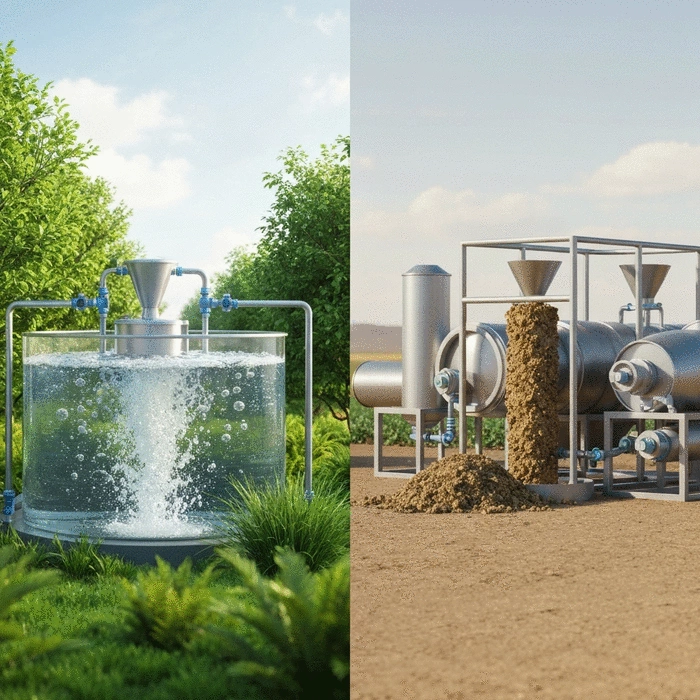
When it comes to anaerobic digestion, choosing between wet and dry systems is essential. Wet anaerobic digestion systems typically operate with a higher moisture content in the feedstock, making them suitable for materials with high water content, like manure or food waste. In contrast, dry anaerobic digestion systems handle solid feedstocks with lower moisture content, such as agricultural residues. A comprehensive comparison of these systems can be found in this research on wet and dry anaerobic co-digestion systems.
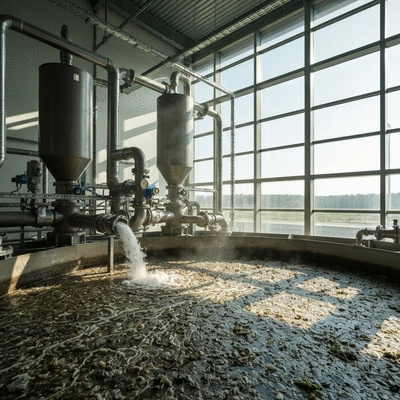
Wet Systems: Higher moisture content; ideal for liquid-rich feedstocks.
Dry Systems: Lower moisture content; better for solid feedstocks.
Efficiency: Wet systems often have faster digestion rates, while dry systems may require longer retention times.
These differences can impact everything from system design to the types of materials you can process, so it's important to choose wisely based on your needs!
The Role of Microbial Communities in Anaerobic Digestion
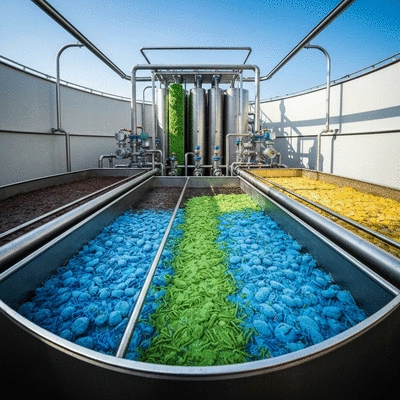
Microbial communities are the heart of the anaerobic digestion process. These tiny organisms work together to break down organic matter and produce methane gas. Their effectiveness can vary based on environmental conditions such as temperature and pH. Ensuring your digester has a healthy microbial community is crucial for optimal performance! Further reading on the significance of microbial balance can be found in this review on microbial communities in anaerobic digesters.
Types of Microbes: Bacteria, archaea, and fungi all play unique roles in digestion.
Temperature: Mesophilic (moderate) and thermophilic (high) conditions affect microbial activity.
Balance: A balanced microbial population leads to efficient biogas production.
Understanding these microbial dynamics can help you manage your biogas digester effectively, ensuring that you get the most out of your organic waste!
Pro Tip
When deciding between wet and dry anaerobic digestion systems, consider conducting a pilot test. This approach allows you to evaluate how each system performs with your specific feedstock and conditions before making a full investment. It can be a game-changer in optimizing your setup!
Making Informed Decisions: Choosing Between Wet and Dry Systems
When it comes to selecting between wet and dry anaerobic digestion systems, farmers often find themselves at a crossroads. It's crucial to have a solid decision framework that considers various factors influencing this choice. Understanding the unique characteristics of each system can empower you to make an informed decision tailored to your specific needs.
At Biogas Digester World, we believe that a systematic approach can lead you to the best solution for your unique agricultural setting. Let’s break down some of the essential components you should consider in your decision-making process.
Developing a Decision Framework for Farmers
Your first step in choosing the right system involves weighing several critical factors. Here’s a quick list of elements to examine:
Water Availability: Assess your water resources and how they may affect system performance.
Feedstock Characteristics: Different systems handle varying feedstock types; know what works best for your farm.
Budget Constraints: Analyze your financial capacity to invest in either system upfront and in ongoing maintenance.
As you evaluate these factors, it’s essential to understand how they interact. For example, if you have limited water resources, a dry anaerobic digestion system might be more suitable for your operation. On the other hand, if you have access to abundant organic waste and water, a wet system could provide higher efficiency.
Factors to Consider: Water, Feedstock, and Budget Constraints
Considering your unique situation, here’s a more detailed breakdown:
Water: Wet systems require significantly more water than dry systems. If water scarcity is a concern, that might be a critical deciding factor.
Feedstock: Evaluate what organic materials you have available. Some systems function best with specific types of waste, which could dictate your choice.
Budget: Don't forget to consider both the initial capital costs and the long-term operational expenses associated with each system.
Identifying these constraints will help streamline your options and guide you towards the best fit for your agricultural operation.
Technology Comparison: Evaluating Process Efficiency
Now that you have defined your constraints, let’s look at how the technologies compare in terms of efficiency:
Methane Yield: Usually, wet systems produce higher methane yields due to their higher feedstock moisture content.
Retention Times: Dry systems typically have longer retention times, meaning they may require more time to break down materials.
Operational Complexity: Wet systems may necessitate more sophisticated controls, while dry systems can be less complicated to manage.
By understanding these distinctions, you can make a more informed choice based on your farm’s operational capacities and goals.
Frequently Asked Questions About Anaerobic Digestion
Here are some common questions to help you better understand anaerobic digestion systems:
Q: What is anaerobic digestion?
A: Anaerobic digestion is a biological process that breaks down organic matter in the absence of oxygen, producing biogas (a renewable energy source) and digestate (a nutrient-rich fertilizer).
Q: What are the main differences between wet and dry anaerobic digestion systems?
A: Wet systems are designed for liquid-rich feedstocks with high moisture content and often have faster digestion rates. Dry systems are better suited for solid feedstocks with lower moisture content and typically have longer retention times.
Q: What types of feedstocks are suitable for anaerobic digestion?
A: Common feedstocks include food waste, animal manure, crop residues, and other organic materials. The specific type of feedstock will influence whether a wet or dry system is more appropriate.
Q: How do microbial communities affect biogas production?
A: Microbial communities (bacteria, archaea, fungi) are essential for breaking down organic matter. Their balance and activity, influenced by factors like temperature and pH, directly impact the efficiency and methane yield of the digester.
Q: What factors should farmers consider when choosing an anaerobic digestion system?
A: Key factors include water availability, the characteristics of the available feedstock, and budget constraints (both initial capital and operational costs).
Summary of Key Insights for Efficient Anaerobic Digestion
In summary, making a decision between wet and dry anaerobic digestion systems is not straightforward, but it can be manageable with the right information. Weighing technical, economic, and environmental factors will help you identify the best system for your specific needs. It’s all about balancing those aspects to support your sustainable practices.
At Biogas Digester World, we're here to provide you with the resources and insights you need for efficient anaerobic digestion. Remember, the goal is not just to choose a system but to enhance your agricultural practices and contribute positively to the environment.
Encouraging Sustainable Practices in Water-Scarce Agriculture
As farmers working in water-scarce areas, adopting anaerobic digestion technologies can significantly impact not only your operations but also the surrounding ecosystem. By making informed decisions, you contribute to creating a more sustainable future for agriculture. The benefits are manifold, from reducing organic waste to generating renewable energy.
Call to Action: Engaging with Local Experts for Tailored Solutions
Finally, I encourage you to engage with local experts who can provide tailored solutions specific to your region and needs. Don’t hesitate to reach out! By leveraging available resources and working with knowledgeable professionals, you can maximize the benefits of biogas technology on your farm. Together, let’s pave the way for a sustainable agricultural future!
Recap of Key Points
Here is a quick recap of the important points discussed in the article:
Anaerobic digestion transforms organic waste into renewable energy (biogas).
Wet systems are suited for liquid-rich materials, while dry systems are better for solid feedstocks.
Microbial communities play a crucial role in breaking down organic matter and producing methane.
Key factors for farmers to consider when choosing a system include water availability, feedstock characteristics, and budget constraints.
Your go-to resource for mastering renewable energy solutions through biogas technology. We help farmers, homeowners, and sustainability professionals with expert guidance and practical insights to harness organic waste for energy independence.
Trusted by individuals and organizations committed to sustainability, our mission is to provide reliable, easy-to-follow insights backed by expert knowledge in biogas applications.